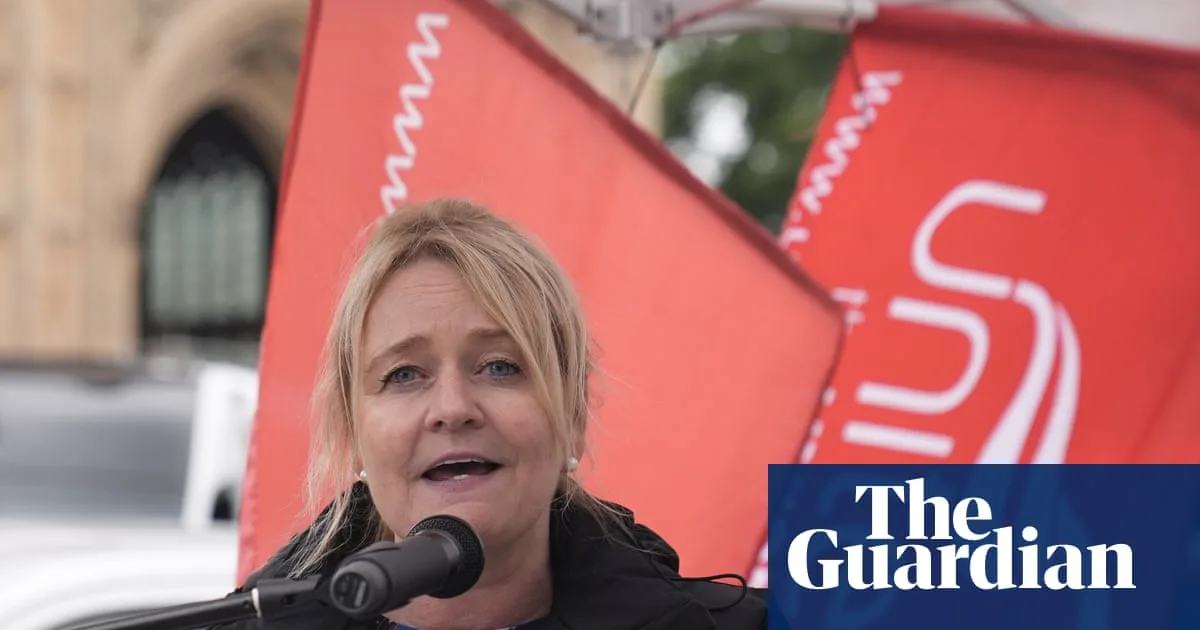
Unite General Secretary Sharon Graham has delivered a stark Christmas message to the Labour government, demanding it makes the "super-rich Scrooges" pay for the economic crisis instead of ordinary workers.
Broken Promises and Stealth Taxes on Pay
In a forceful critique, Graham argues that while Chancellor Rachel Reeves pledged to "back" hard-working people, the recent Autumn Budget has instead "picked the pockets of workers". She highlights the government's decision to extend the freeze on income tax thresholds until 2031, breaking a promise not to extend it beyond 2028.
This freeze constitutes a significant stealth tax. According to Unite's analysis, a worker earning £25,000 whose pay rises with inflation will pay nearly £1,000 extra in tax over the next five years. For the lowest paid, this represents a 1.5% tax hike. Furthermore, by 2029, workers earning just above the average wage will be dragged into the higher 40% tax bracket, affecting one in four employees.
Pensions at Risk and the Real Debt Culprits
The attack on workers' incomes extends to pensions, Graham warns. A second stealth tax, limiting National Insurance relief on salary sacrifice pensions, is set to hit from 2029. While presented as targeting City bonuses, HMRC estimates it will affect 3.3 million workers. Polling suggests 31% of businesses may cut pension contributions if the reform proceeds.
Graham expresses bewilderment at Labour's choice, stating the funds needed for schools and hospitals should come from those who caused the debt crisis. She points out that the UK's debt-to-GDP ratio doubled to 70% after bailing out the banks in 2008. Now, with the big four UK banks making £20.3 billion in profit last year and bankers receiving "bonanza bonuses", the government is taxing workers instead.
"Our research shows that since the banks crashed the economy real wages have gone down by £11,000," she states.
Energy Profiteering and Foreign State Ownership
A major focus of Graham's message is the crisis of "energy profiteering". She reveals that UK-based energy companies made a £30 billion profit in 2024, meaning £500 of the average £1,780 household bill goes straight to corporate profits. This has led to the highest bills in Europe.
She identifies a key issue: successive UK governments have allowed foreign state-owned companies to dominate the energy market, profiting massively. In 2024, UK gas users handed £5.9 billion to the Norwegian state sector. German-owned Uniper, French-owned EDF, Danish-owned Orsted, and Qatari interests all extract huge profits from the UK system.
"It’s time to bring energy into public ownership and put an end to this madness once and for all," Graham declares.
The Real Causes: Investment, Not Sickness
Graham also tackles the narrative around the UK's productivity crisis, arguing it is driven by a catastrophic lack of investment, not worker sickness. The IPPR think tank reported a half-a-trillion-pound underinvestment since 2005. Even with Labour's plans, UK investment rates remain among the lowest in the OECD.
She warns that poorly planned net-zero targets, like the Zero-Emission Vehicle (ZEV) mandate, risk hundreds of thousands of jobs without adequate support for the transition or infrastructure like EV charging points.
Concluding with a personal note, Graham praises the NHS after her 90-year-old father received "outstanding" care following a fall, urging the government to nurture and invest in the health service. Her overarching demand, however, remains clear: Labour must drop its stealth taxes on workers and raise the money needed to rebuild the country from the super-rich who caused and profited from the crisis.