Australia's Trucking Industry Faces Existential Threat from Rogue Operators
The Australian road freight transport sector is confronting a severe crisis as widespread sham contracting practices systematically undermine legitimate businesses, distort market competition, and jeopardise national supply chain stability. Industry leaders warn that illegal employment arrangements are creating an uneven playing field where compliant operators face extinction while rogue companies flourish through regulatory evasion.
The Mechanics of Sham Contracting in Road Transport
Sham contracting represents a sophisticated form of labour exploitation that has become alarmingly prevalent across Australia's trucking industry. This practice typically involves operators classifying employee drivers – including foreign workers on student visas – as independent contractors through Australian Business Numbers (ABNs). This deliberate misclassification allows unscrupulous companies to circumvent numerous legal obligations that legitimate businesses must honour.
The financial advantages gained through these arrangements are substantial. By avoiding payroll tax, superannuation contributions, workers' compensation insurance, leave entitlements, and sometimes even Goods and Services Tax (GST) obligations, rogue operators achieve cost reductions of 20 to 30 percent compared to compliant businesses. This significant competitive edge enables them to slash freight rates to unsustainable levels, forcing ethical operators to either match these impossible prices or lose contracts entirely.

Systemic Enforcement Failures and Industry Consequences
The National Road Freight Transport Association (NatRoad) has issued an urgent plea for federal government intervention, highlighting what chief executive Warren Clark describes as "essentially non-existent" enforcement of existing regulations. Clark points to the brazen nature of current violations, noting that some transport companies now openly advertise for "employee drivers with ABNs" on major employment platforms like Seek – a clear indication that illegal practices have become normalised within certain industry segments.
"There is systemic manipulation happening across the road freight industry right now, and it's simply not being detected by government agencies," Clark states. "By allowing widespread illegal activity to flourish unchecked, we've created a system where lawbreakers prosper and legitimate businesses are punished for doing the right thing."
Industry figures report increasingly sophisticated corporate structures designed specifically to disguise true employment relationships, making regulatory detection and enforcement progressively more difficult. These ephemeral business arrangements allow operators to "set up and shut down in a moment," according to Clark, creating a transient shadow economy within the transport sector.
Safety Compromises and Human Costs
The race to the bottom in freight pricing carries significant safety implications beyond mere economic consequences. Drivers trapped in sham contracting arrangements frequently find themselves locked into low-paying "contracts" with minimal protections, creating financial pressures that can compromise road safety standards. Meanwhile, legitimate businesses attempting to compete often feel compelled to cut corners on maintenance, driver training, and compliance measures simply to remain financially viable.
"Drivers end up locked into 'contracts' on low pay, or businesses are forced to cut their rates so far to win work that they end up breaking the rules just to make up the shortfall," explains Clark. This dangerous dynamic emerges against a backdrop of Australia's significant driver shortage and a concerning rise in road incidents over recent years.
Economic Fallout and Insolvency Crisis
The financial consequences of unchecked sham contracting are becoming increasingly visible through insolvency data. According to CreditorWatch research, Australia's road transport sector is experiencing a severe business failure crisis, with 8.46 percent of transport businesses – approximately one in twelve – closing during the twelve months to November 2025. This represents a 40 percent year-on-year increase in closures, matching hospitality as Australia's worst-performing sector for business failures.

CreditorWatch chief economist Ivan Colhoun warns that insolvency pressures are unlikely to ease in the near term. "Elevated cost bases, stretched balance sheets and soft freight demand from retail and manufacturing mean insolvency pressures are set to remain high through 2026," he states. Colhoun describes the situation as "a perfect storm of financial, structural and competitive pressures" that represents systemic weakness rather than temporary market fluctuation.
Threats to National Supply Chains and Household Costs
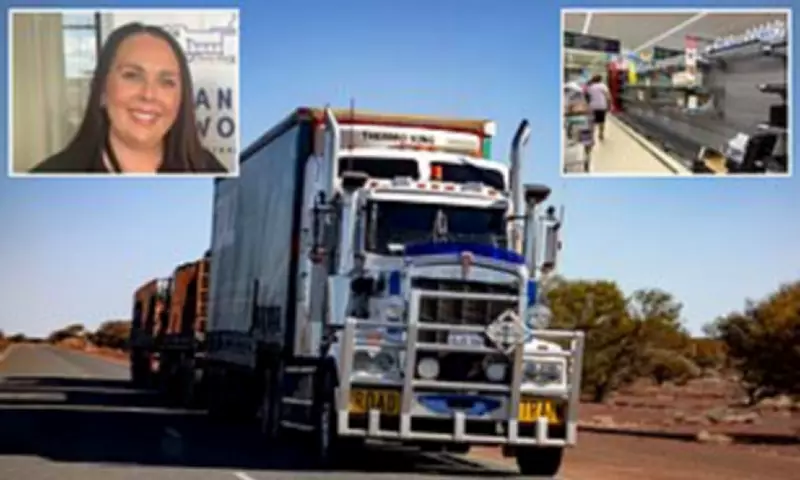
The ongoing collapse of legitimate transport operators poses direct threats to Australian consumers and the broader economy. With fewer compliant truckers remaining operational, rising freight costs and disrupted supply chains are expected to translate into higher consumer prices, delayed deliveries, and growing risks of product shortages for households nationwide.
True Ross-Sawrey, business manager at third-generation family firm Ross Transport, confirms the pressure is being felt across the industry. "Sham contracting is a major problem in our industry, and one of the main reasons for rate cutting," she states. "Bosses are advertising jobs saying truck drivers must have an ABN. Workers themselves are putting their hands up looking for consistent ABN work, the more hours the better, and the companies engaging them are winning more jobs. Everybody knows it's illegal."
Industry representatives emphasise that regulatory reform and enhanced enforcement are urgently needed to prevent further deterioration of Australia's critical road freight network. Without immediate intervention, they warn, the consequences will extend far beyond transport company boardrooms to affect every Australian household through compromised supply chains and increased living costs.