Saudi Arabia's Visionary Neom Megacity Faces Major Downsizing Amid Financial Pressures
Ambitious plans for Saudi Arabia's futuristic Neom megacity have been significantly scaled back, with Crown Prince Mohammed bin Salman ordering a comprehensive reevaluation of the entire project. The development, once hailed as a revolutionary blueprint for urban living, is now facing substantial reductions in scope due to spiralling costs and mounting construction delays.
The Line: From Sci-Fi Vision to Practical Reality
At the heart of the Neom project was The Line, an extraordinary concept featuring mirror-clad skyscrapers stretching 125 miles across the desert landscape. These striking structures, designed to reach half a kilometre into the sky, were intended to accommodate approximately nine million residents within just 34 square kilometres of development space.
The original vision promised residents access to all daily essentials within a five-minute walk, complemented by high-speed rail transportation enabling end-to-end transit in just twenty minutes. This compact, efficient urban design was promoted as creating "never-before-seen efficiencies in city functions" while providing an ideal climate year-round for enjoying surrounding natural environments.

Financial Realities Force Strategic Reassessment
With an initial budget estimated at £365 billion and total project costs potentially reaching £6.8 trillion, the practical and financial realities of constructing such an ambitious development have prompted serious reconsideration. Saudi Arabia has already invested billions into the project, yet construction progress has failed to meet expectations, leading to growing frustration within the royal leadership.
Crown Prince Mohammed bin Salman, who originally championed Neom as a means to "tackle the challenges facing humanity in urban life today" and "shine a light on alternative ways to live," has reportedly grown increasingly concerned about delays affecting his broader economic diversification strategy for the coming decade.
Project Components Face Uncertain Future
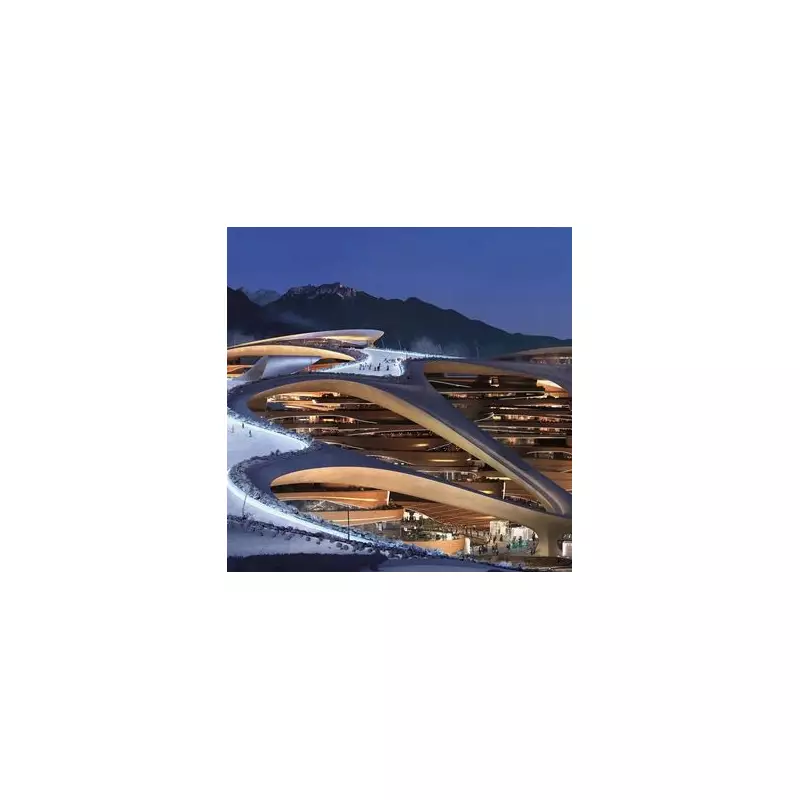
The scaling back affects multiple components of the Neom development, including a planned 6,500 square kilometre nature reserve and Trojena, a mountainous retreat that was expected to feature Saudi Arabia's first outdoor ski slopes. Trojena had been scheduled to host the 2029 Asian Winter Games, but officials have acknowledged it will not be completed in time for this international sporting event.
To date, the only operational element of the Neom project is the Red Sea yachting resort of Sindalah, which has been widely regarded as a costly disappointment. The extravagant launch event, featuring performances by Will Smith and Alicia Keys alongside forty private yachts, reportedly failed to impress the Crown Prince, who questioned the substantial expenditure involved.
Strategic Shift Toward More Manageable Objectives
Sources familiar with the ongoing review indicate that the project's focus may shift toward smaller-scale, more achievable goals, potentially including artificial intelligence data centres. The future of The Line itself remains uncertain, with possibilities ranging from continuation as a more modest development to complete reconfiguration of the original concept.
This strategic reassessment represents a significant moment for Saudi Arabia's Vision 2030 initiative, which aims to reduce the nation's economic dependence on oil revenues through ambitious development projects. The Neom scaling back follows previous postponements and cancellations of other major projects within the diversification strategy, highlighting the practical challenges of implementing such visionary urban planning concepts.
The review process remains ongoing, with no definitive timeline for when revised plans might be announced. The ultimate scale and scope of what was once envisioned as a 100-mile-long megacity transforming Saudi Arabia's future now appears destined to be "far smaller" than originally conceived, reflecting the complex interplay between visionary ambition and practical implementation in large-scale urban development projects.