Saudi Arabia's Neom Megacity Faces Major Downsizing Amid Cost and Delay Crisis
Saudi Arabia Scales Back Neom Megacity Amid Cost Crisis

Saudi Arabia is poised to dramatically reduce the scale of its ambitious 100-mile-long megacity, Neom, as the kingdom grapples with escalating costs and persistent delays. The project, once hailed as a futuristic marvel, is now under review and likely to be scaled back to something far smaller than originally envisioned.

Review Ordered Amid Mounting Frustrations

Crown Prince Mohammed bin Salman, the day-to-day ruler of Saudi Arabia, has initiated a comprehensive review of Neom. This move comes after growing frustration with delays and the postponement or cancellation of other plans within the project. The prince had intended Neom to be a cornerstone in diversifying the country's oil-dependent economy by 2030, but the review signals a shift towards more realistic objectives.

The Line: A Vision in Jeopardy

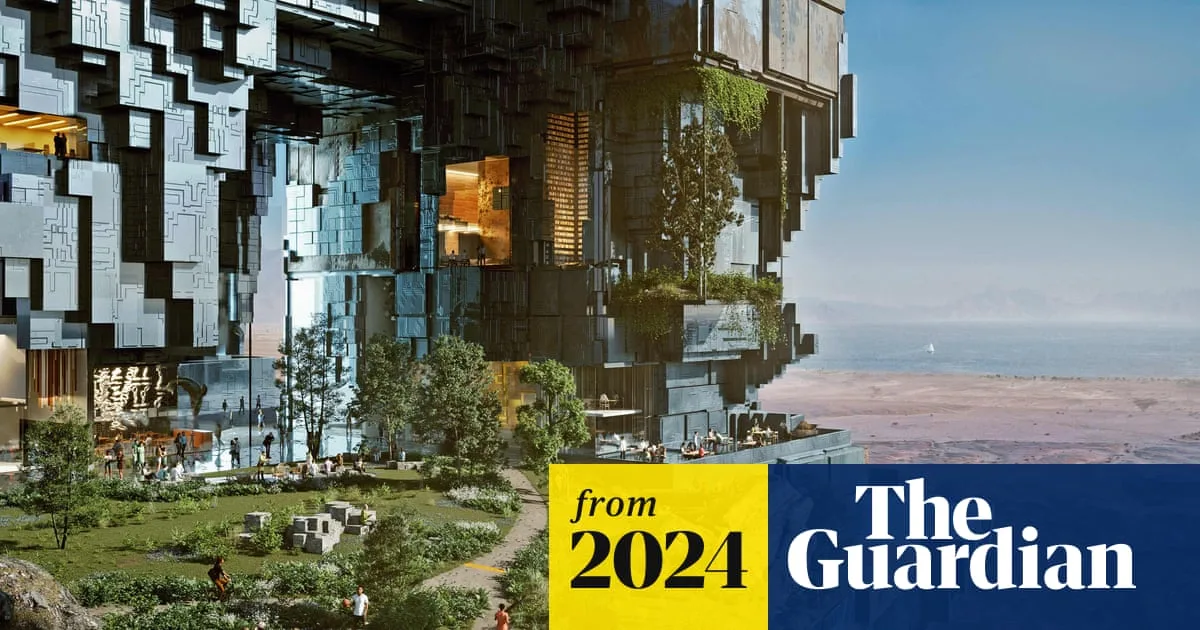
Central to Neom's original design was The Line, a parallel line of skyscrapers planned to stand half a kilometre tall and stretch 200 kilometres long. This mirror-laden development, budgeted at $500 billion, was supposed to be constructed in 2km sections across desert and mountain terrain. However, the review may lead to The Line being scrapped entirely or continued on a significantly reduced scale, as reported by the Times.

Broader Project Components Under Scrutiny

Neom's ambitious scope extended beyond The Line, encompassing several other gigaprojects that are now facing cutbacks:

  • Trojena: A mountain resort within Neom that was set to host the 2029 Asian Winter Games, but it will not be ready in time, highlighting the project's scheduling failures.
  • Oxagon: An octagonal floating industrial hub that remains unrealised, with no clear timeline for completion.
  • Sindalah: The only operational part of Neom so far, a yachting resort in the Red Sea that launched with a high-profile party featuring celebrities like Will Smith and Alicia Keys. However, it was widely seen as an expensive failure, leading to the sacking of Neom's chief executive after the prince questioned its excessive costs.

Economic Pressures Driving Downsizing

The scaling back of Neom is largely driven by economic challenges. Saudi Arabia has faced successive budget cuts due to a slump in oil prices, which has forced the government and the sovereign Public Investment Fund (PIF) to reassess spending. The globally falling oil price, declining since the Covid pandemic, has exacerbated these pressures, making gigaprojects like The Line and Sindalah unsustainable in their original forms.

Shift Towards Achievable Goals

In response to these difficulties, the Neom project is now likely to pivot towards more attainable targets. One key area of focus is the development of AI data centres, which represent a more feasible and potentially lucrative investment compared to the grandiose urban designs initially proposed. This shift reflects a broader trend in Saudi Arabia's $2 trillion economic transformation, which has seen several projects paused or scaled back after running into operational and financial hurdles last year.

Future Implications and Uncertainty

The review of Neom is still ongoing, and it remains unclear whether elements like The Line will proceed on a smaller scale or be abandoned altogether. Located between Saudi Arabia and Egypt, bordering the Red Sea, Neom was intended to address the country's expanding population needs, with 35 million people rapidly outgrowing the capital, Riyadh. However, the current setbacks underscore the challenges of executing such vast urban developments in a volatile economic climate.

As Saudi Arabia navigates this period of adjustment, the fate of Neom serves as a cautionary tale about the limits of ambition in the face of practical constraints. The kingdom's efforts to diversify its economy continue, but with a renewed emphasis on prudence and achievable milestones.