Salt vs Baking Soda: The Ultimate Window Condensation Test Reveals Clear Winner
Salt vs Baking Soda: Clear Winner for Window Condensation

Window condensation presents a persistent challenge for numerous households across the UK, particularly in older properties where moisture control becomes paramount. In a quest to find an effective and economical solution, I decided to put two widely recommended kitchen cupboard remedies to the test. The goal was to determine whether salt or baking soda truly functions as a viable natural dehumidifier to combat that frustrating damp film on glass panes.

The Battle Against Condensation and Mould

Living in an older property means I regularly confront issues with mould and condensation on my windows. With considerable experience covering home maintenance, I understand the critical importance of either removing condensation promptly or ensuring adequate ventilation each morning. This routine is essential to prevent the insidious buildup of moisture and mould within the home, which can affect both property integrity and indoor air quality.

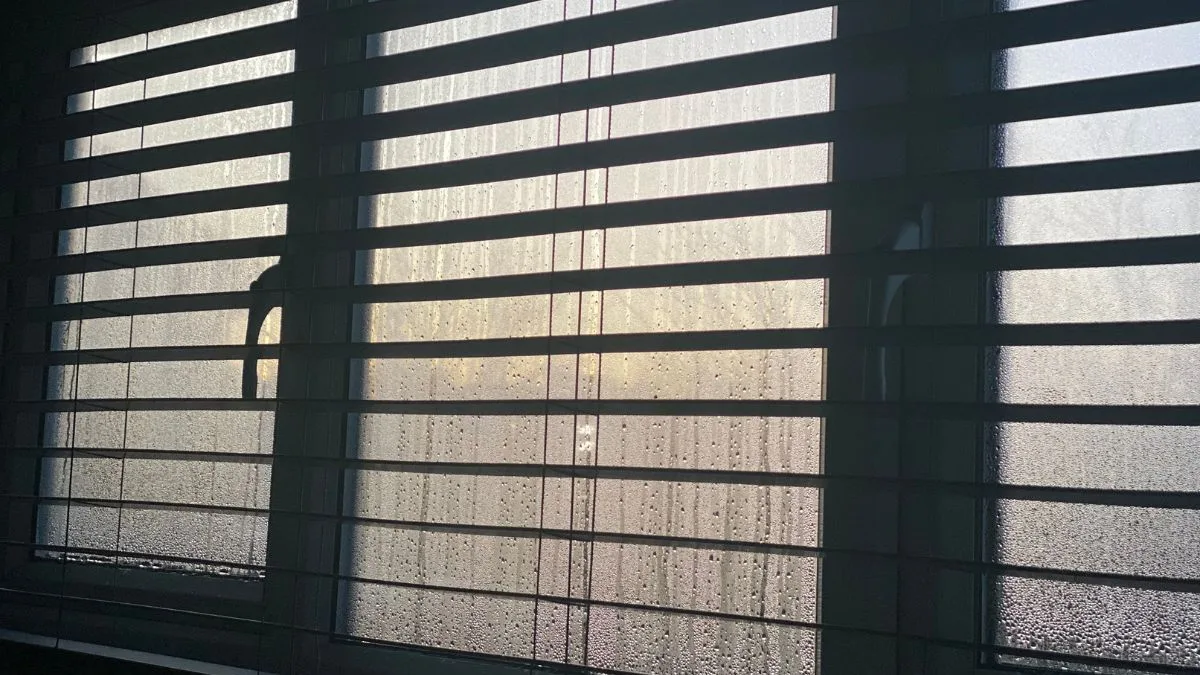
Throughout the colder months, every window pane in my home becomes coated with a persistent layer of dampness. My mornings typically begin with the task of clearing this surplus moisture, using either a window vacuum or a standard squeegee. While running a conventional dehumidifier can help lower humidity levels, I have been actively seeking ways to reduce energy expenditure. This pursuit led me to explore the potential of common kitchen staples praised by cleaning enthusiasts for their moisture-absorbing properties.

Setting Up a Fair and Controlled Experiment

Fortunately, both salt and baking soda were already present in my kitchen cupboard, eliminating any need for a special shopping trip. To ensure a scientifically fair comparison between the two methods, I used identical amounts of each substance—125 grams precisely. The tests were conducted on two separate nights with matching temperature conditions, placed near the same problematic window to accurately gauge their effectiveness.

I commenced the experiment with the salt hack. Given that I used approximately 125 grams from a 70-pence container of table salt, the cost of this trial amounted to a mere 12 pence. Considering such minimal expense, I was genuinely hopeful that this budget-friendly tip would deliver the results many online sources claim.

The Disappointing Results from Salt

Regrettably, despite the significant hype surrounding this affordable household hack, I found that the salt made no noticeable difference to my condensation-covered windows. While the salt did fully harden overnight—a clear indication that it absorbed some atmospheric moisture—the windows themselves remained just as foggy and damp as usual. The condensation was entirely unaffected, meaning the hack failed in its primary purpose of preventing the window surface from becoming wet.

The Surprising Success of Baking Soda

Next, I proceeded to test the baking soda method. Similar to salt in theory, baking soda is said to act as a natural dehumidifier by absorbing excess moisture from the air, thereby helping to reduce condensation buildup when strategically placed on a windowsill. After the lack of success with salt, my expectations were decidedly measured.

Once again, I measured out 125 grams of baking soda from a £1.19 container, bringing the cost of this test to around 30 pence. I placed it in a small bowl and left it in the identical spot overnight. To my considerable surprise, the following morning presented a completely different scenario. I did not need to start wiping condensation off the window at all. In fact, there was virtually no condensation left on the glass panes.

Furthermore, the baking soda powder had only slightly hardened, suggesting it retains moisture-absorbing capacity and can likely be reused multiple times before requiring replacement. This reusability stands in stark contrast to the salt, which became fully solidified and spent after a single use. The baking soda method proved not only effective but also more economical and sustainable in the long run.

Conclusion and Practical Recommendations

This straightforward home experiment yielded one unequivocal winner: baking soda. While both substances demonstrated some moisture absorption, only baking soda successfully prevented window condensation under the tested conditions. For homeowners seeking a natural, low-cost, and energy-efficient method to combat winter window moisture, placing a small bowl of baking soda on the windowsill emerges as a genuinely effective hack. It outperformed salt in both effectiveness and potential for reuse, making it the clear champion in this battle against condensation.