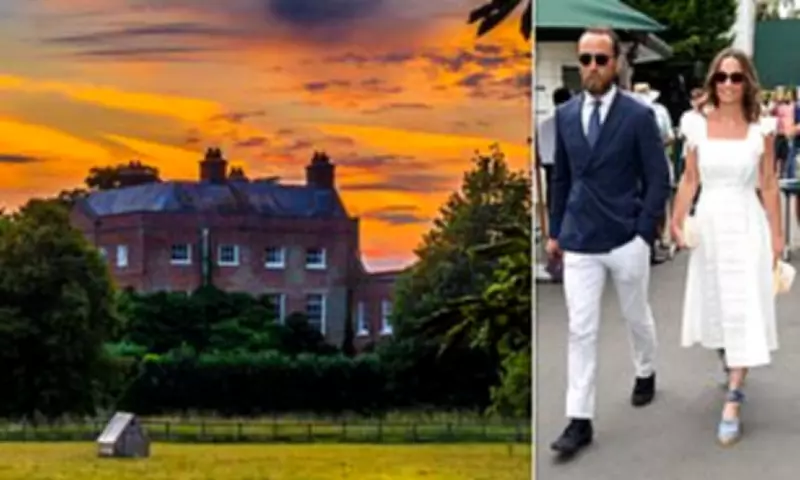
Pippa Middleton's ambitious vision to transform her £15 million country manor faces significant obstacles after archaeological experts raised alarms about potential prehistoric remains buried on the estate. The Princess of Wales' younger sister and her husband, financier James Matthews, could see their extensive renovation plans for Barton Court estate disrupted by concerns over preserving ancient historical artefacts.
Archaeological Concerns Threaten Development
Specialists from Heritage Planning Services have issued a stark warning that proposed building works at the sprawling Barton Court estate might disturb relics dating back thousands of years to the Palaeolithic era, when early humans inhabited the area. The consultants' report, commissioned to assess the site, indicates the development "has the potential to impact on hitherto unidentified archaeology" spanning prehistoric, medieval and post-medieval periods.
Rich Historical Landscape
The estate, located near the Kennet Valley village of Kintbury, sits within a region recognised for its significant archaeological potential. Evidence already identified through boreholes and flint discoveries across the surrounding landscape suggests the presence of Palaeolithic archaeology. Furthermore, Mesolithic remains including flint scatters and semi-permanent campsites have previously been uncovered nearby, with prehistoric flintwork actually found directly on the project site itself.

Archaeologists have expressed particular concern about plans to remove the raised garden and historic ha-ha feature, along with the demolition of existing structures, warning these actions "may be considered harmful to a non-designated heritage asset". The experts have recommended implementing further archaeological investigation during any construction phases to mitigate potential damage to undiscovered historical remains.
Planning Application Details
Middleton and Matthews have submitted a comprehensive planning application to West Berkshire Council seeking permission for substantial renovations to the Grade II-listed property. Their proposals include constructing new stables, establishing a dedicated horse exercise area, building a greenhouse, and creating extensions to the main house. However, conservation officers have raised additional objections regarding the planned replacement of the estate's existing greenhouse, noting this would result in the loss of historic fabric and cause "some harm" to the site's heritage value.
Historical Significance of the Location
The Kennet Valley represents one of Britain's most important prehistoric landscapes, with a 12-mile stretch of the river between Kintbury and Aldermaston renowned for early hunter-gatherer sites dating back approximately 14,000 years. This rich archaeological context adds considerable weight to the concerns raised by heritage professionals about potential disturbance to undiscovered historical layers beneath the estate grounds.
Middleton and Matthews relocated to the 145-acre estate with their three children in 2022, having purchased the property from the late Sir Terence Conran. The renowned designer had previously undertaken painstaking restoration work on the Georgian property after acquiring it as a dilapidated structure during the 1970s. The current owners now face navigating complex heritage considerations as they seek to implement their own vision for the historic estate while respecting its archaeological significance.