Coltan Mine Collapse in Eastern Congo Claims Over 200 Lives, Rebel Authorities Report
Over 200 Killed in Congo Coltan Mine Collapse

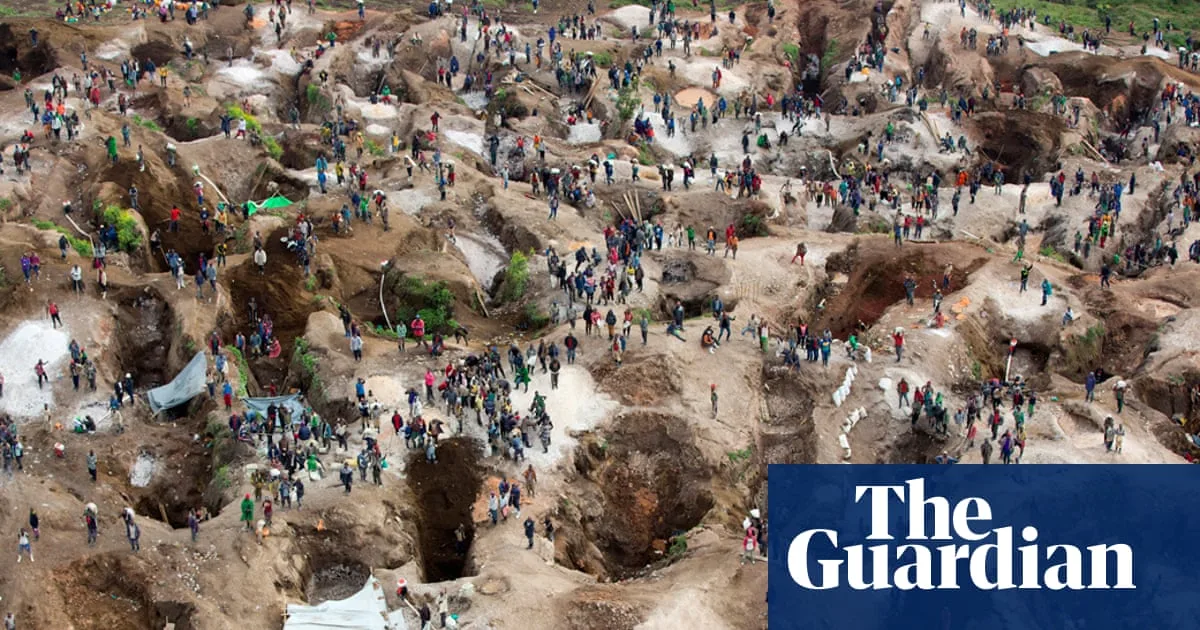
Rebel authorities in the Democratic Republic of Congo have reported a catastrophic mining disaster, with at least 200 people killed in a landslide that collapsed several coltan mines in the eastern part of the country. The tragic incident occurred earlier this week, with official confirmation provided on Saturday, highlighting the perilous conditions in the mineral-rich region.

Details of the Mining Catastrophe

The collapse took place on Wednesday at the Rubaya mines, which are under the control of the M23 rebel group. According to Lumumba Kambere Muyisa, the spokesperson for the rebel-appointed governor of North Kivu province, the landslide was triggered by exceptionally heavy rains that destabilised the mining site.

Muyisa provided a grim assessment of the situation, stating, "For now, there are more than 200 dead, some of whom are still in the mud and have not yet been recovered." The spokesperson added that several other individuals were injured in the collapse and have been taken to three separate health facilities located in the town of Rubaya.

Wide Pickt banner — collaborative shopping lists app for Telegram, phone mockup with grocery list

Emergency Response and Immediate Actions

Ambulances were expected to transfer the wounded on Saturday to Goma, the nearest major city situated approximately 50 kilometres (30 miles) away from the disaster site. In response to the tragedy, the rebel-appointed governor of North Kivu has implemented immediate measures to prevent further loss of life.

The governor has temporarily halted all artisanal mining activities at the site and ordered the relocation of residents who had constructed shelters in close proximity to the mine. These emergency actions underscore the immediate dangers posed by the unstable mining conditions in the region.

Context of the Rubaya Mining Region

Rubaya is located in the heart of eastern Congo, a mineral-rich area of the Central African nation that has experienced decades of violent conflict involving government forces and various armed groups. The M23 rebels, who are backed by Rwanda, have seen a recent resurgence that has significantly escalated the ongoing conflict, exacerbating an already severe humanitarian crisis in the region.

The strategic importance of the Rubaya area cannot be overstated, as it contributes over 15% of the world's supply of tantalum. This rare metal, extracted from coltan, serves as a crucial component in the manufacturing of smartphones, computers, and aircraft engines, making the region economically significant on a global scale.

Rebel Control and Economic Implications

Since seizing control of Rubaya in May 2024, the M23 rebels have established their authority over the mines. According to a United Nations report, the rebel group has imposed taxes on both the trade and transport of coltan, generating substantial revenue estimated at least $800,000 per month from these operations.

This economic control occurs against a backdrop of persistent crisis in eastern Congo, where various conflicts have created one of the world's most severe humanitarian situations. The region has seen more than 7 million people displaced from their homes, including approximately 100,000 individuals who have been forced to flee just this year alone.

Broader Regional Conflict and International Dimensions

Despite diplomatic efforts including a deal brokered by the United States between the Congolese and Rwandan governments, and ongoing negotiations between rebel groups and Congo, fighting continues to rage on multiple fronts across eastern Congo. This persistent violence continues to claim numerous civilian and military casualties, maintaining the cycle of instability that plagues the region.

The agreement between Congo and Rwanda also carries significant international implications, particularly regarding access to critical minerals for the United States government and American companies. This dimension adds another layer of complexity to the already intricate geopolitical landscape surrounding Congo's mineral resources.

The mining disaster at Rubaya serves as a tragic reminder of the human cost associated with the extraction of valuable minerals in conflict zones, where safety regulations are often inadequate or non-existent, and where communities bear the brunt of both environmental hazards and political instability.

Pickt after-article banner — collaborative shopping lists app with family illustration