Over-40s Career Shift: Why Professionals Are Returning to University
Mid-life professionals head back to university for retraining

In a significant shift across the UK job market, a growing wave of professionals in their forties and beyond are leaving established careers to return to full-time education. Driven by the rapid rise of artificial intelligence, widespread job insecurity, and professional burnout, this trend sees mid-life individuals enrolling in university courses, often at great personal and financial cost, in search of more stable and meaningful second acts.

The Great Mid-Life Re-education

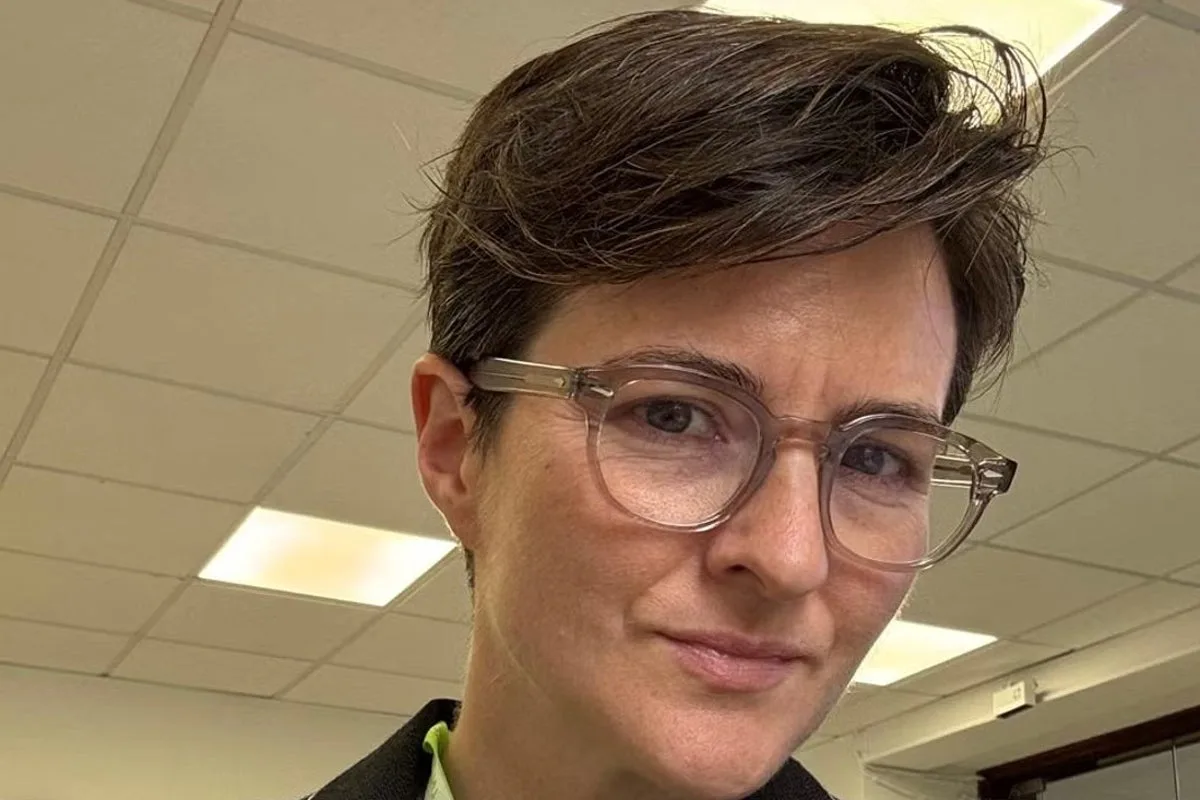
The author, Lotte Jeffs, exemplifies this movement. At 42, after a successful career as the editor of Elle magazine and an author of four books, she traded her media life for a psychotherapy degree. Her first day back at university in January 2026 came with familiar anxieties about being the oldest student, but also a profound sense of relief at securing a plan for a sustainable future. She is far from alone. In 2022, more than 244,000 mature students were enrolled in UK universities, according to the Higher Education Statistics Agency, with the number of students aged 30 and over starting degrees rising annually.

Catalysts for a Career Pivot

For many, the decision to retrain follows a period of professional crisis. Jeffs describes a "professionally panic-inducing year" where her non-fiction book proposal failed to sell, AI rapidly displaced her lucrative copywriting and consultancy work, and global economic uncertainty ended regular freelance contracts. The situation became so dire she researched grants and loans and borrowed money from her 80-year-old mother. A particularly low point was being rejected for a part-time barista role at the Benugo cafe chain, despite her extensive leadership experience.

This experience is mirrored across industries like media, fashion, and tech. As traditional sectors struggle and AI automation advances, seasoned professionals find their skills undervalued. Retraining, particularly in fields like healthcare, education, and business, is increasingly seen not as a risk but a necessity for long-term security. Students on these courses, ranging from their early thirties to mid-sixties, arrive from backgrounds in law, teaching, tech, journalism, and after experiences of burnout, redundancy, or grief.

Building a Resilient Future

Despite the challenges of juggling studies with jobs and family responsibilities, and taking on debts that can exceed £40,000 for a Master's degree, retraining offers profound rewards. For Jeffs, it restored a sense of direction not dictated solely by a volatile market. The relational core of her chosen field, psychotherapy—embodied presence and human attunement—represents a type of work she believes cannot be fully replicated by AI, offering a buffer against automation.

The return to academia also brings quieter pleasures: the joy of learning without the pressure of online performance metrics, the chance to read slowly again, and the deep camaraderie built with fellow second-career students. It proves that starting again is not a failure but an evolution. Since completing her first year, Jeffs knows at least six other journalists and fashion editors who have made the same move, signalling a broader structural change in the workforce as talent seeks transferable skills and a viable second act.