

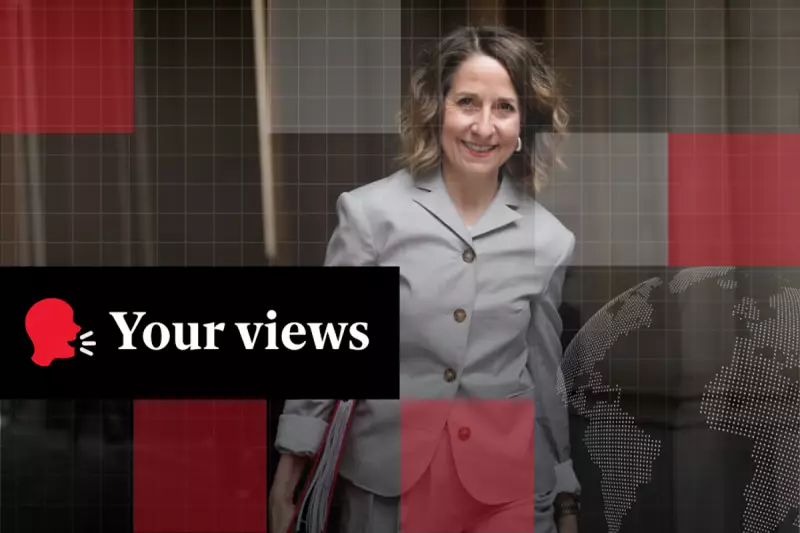
Shadow Work and Pensions Secretary Liz Kendall has ignited a heated debate by proposing a significant increase in the UK's retirement age to 71. The Labour MP argues that this change is necessary to address the financial pressures of an ageing population and ensure the sustainability of the state pension system.
The Proposal and Its Implications
Speaking at a recent policy forum, Kendall outlined her vision for pension reform, suggesting the retirement age should rise from the current 66 to 71 in the coming years. This bold move would align the UK with other European nations facing similar demographic challenges.
Key Points of the Proposal:
- Gradual increase in state pension age from 66 to 71
- Implementation timeline to be determined after further consultation
- Special considerations for manual workers and those with health conditions
- Enhanced support for older workers transitioning to retirement
Why the Change Is Needed
Kendall emphasized that with people living longer and birth rates declining, maintaining the current retirement age would place an unsustainable burden on younger workers. "We need an honest conversation about how we fund pensions for future generations," she stated.

The UK's ageing population presents significant challenges:
- Life expectancy has increased by 5 years since 1990
- The ratio of workers to pensioners is shrinking rapidly
- Pension costs are projected to rise by £20 billion by 2030
Mixed Reactions from Stakeholders
While some economists have welcomed the proposal as fiscally responsible, trade unions and pensioner groups have expressed strong opposition. "This would force millions to work longer while struggling with health issues," argued one union representative.
The government has remained cautious in its response, with a Treasury spokesperson stating they would "consider all proposals carefully" while emphasizing their commitment to pension stability.
What Comes Next?
The proposal is expected to feature prominently in upcoming political debates, with all major parties likely to develop their positions on pension reform ahead of the next general election. Experts suggest any changes would need to be implemented gradually to allow proper workforce planning.






