

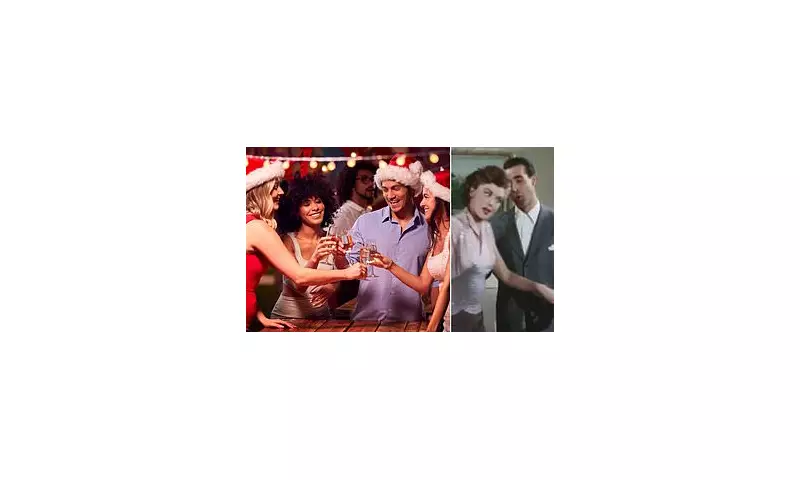
Fresh controversy has erupted over the potential impact of the Labour government's newly passed Employment Rights Bill, with critics warning it could lead to the censorship of beloved Christmas carols in pubs and bars across the UK. The legislation, designed to bolster workers' rights, has sparked fears of a so-called 'banter ban' that may require landlords to police festive singalongs.
The Legislation at the Heart of the Row
The Employment Rights Bill, given final parliamentary approval last week, represents what ministers have called 'the biggest boost to rights at work in a generation'. Initially spearheaded by former Deputy Prime Minister Angela Rayner, the bill's journey through Parliament was fraught, facing a series of defeats in the House of Lords before compromises were made to ensure its passage before the Christmas recess.
Key provisions include a ban on zero-hour contracts and granting day-one rights to statutory sick pay. However, to secure the bill's future, Labour ministers made significant concessions, notably ditching a day-one right to protection against unfair dismissal. This was replaced with a six-month qualifying period. The legislation also moves to scrap compensation caps for unfair dismissal, which are currently set at the lower of 52 weeks' pay or £118,223.

How Could This Affect Christmas Cheer?
The core of the new dispute lies in the bill's strengthened protections against harassment. The law will oblige employers to take 'all reasonable steps' to protect staff from harassment by third parties, including customers. Action could be mandated if any behaviour is thought to be demeaning regarding a 'protected characteristic' such as race, religion, sexual orientation, or age.
This has led to warnings from free speech advocates that pub landlords could feel compelled to ban 'offensive' lyrics in Christmas songs to avoid potential liability. Songs now facing scrutiny over their historical context or lyrics include festive staples like Jingle Bells, Baby It's Cold Outside, Fairytale of New York, and Do They Know It's Christmas?
Lord Toby Young, general secretary of the Free Speech Union, has been a vocal critic, condemning what he labels a 'banter ban'. He warned the Daily Mail: 'Labour's banter ban won't just affect pubs. It will ruin the atmosphere in bars, restaurants and sports stadiums as well.' He suggested the law could lead to 'banter bouncers' policing conversations and even customers needing 'diversity training' to enter venues.
The Historical Controversies Behind the Carols
The debate gained traction following a recent social media post by former MSNBC host Joy Reid, who shared a video alleging the racist origins of Jingle Bells. The video, referencing a 2017 academic paper by Boston University historian Kyna Hamill, claims the song was first performed in 1857 in Boston as a blackface minstrel tune titled 'One Horse Open Sleigh', written by James Lord Pierpont.
Hamill's research indicates the song was used to 'mock and caricature' black people and that its 'blackface and racist origins have been subtly and systematically removed from its history.' Pierpont later enlisted in the Confederate army. This history led a New York primary school to ban the song from its curriculum in 2022.
Similarly, Baby It's Cold Outside, the Oscar-winning 1944 duet by Frank Loesser, has faced modern criticism for lyrics some interpret as having date-rape connotations in the post-MeToo era. Some radio stations have banned it, and artist John Legend rewrote the lyrics for a 2019 version with Kelly Clarkson to reflect 'a newfound sensitivity'.
Conservative Party chairman Kevin Hollinrake seized on the issue, stating: 'Christmas is a time for joy and fun. But, not satisfied with hammering the hospitality sector through two disastrous budgets, Labour are now trying to ban the Christmas classics.'

Government Denials and the Road Ahead
In response to the growing furore, a Government spokesperson has firmly denied any intention to censor carols, calling the suggestions 'complete rubbish'. The spokesperson clarified: 'The Employment Rights Act will not affect anyone's right to lawful free speech, and people will still be able to enjoy their favourite Christmas carols.'
Officials indicated that 'upsetting remarks' do not fall within the legal definition of harassment and that the protections are aimed at shielding employees from 'intimidating and hostile abuse' as well as sexual harassment.
Despite these assurances, the controversy highlights the delicate balance the new legislation must strike between protecting workers and preserving social freedoms. As the bill becomes law, its implementation in the vibrant and often boisterous UK hospitality sector will be closely watched, with many publicans anxious about where the line between festive fun and actionable harassment will ultimately be drawn.





