The Medicines and Healthcare products Regulatory Agency (MHRA) has issued a warning that hot weather can affect how well medicines work, including the contraceptive pill. As up to 70 per cent of the UK population receives a prescription for medication, millions need to be aware of the risks.
How Heat Affects Medication
Heat not only changes how the body responds to medication, altering absorption, but can also cause the medicine itself to stop working properly. The gov.uk website urges people to store medicines correctly, stating: 'Most medicines need to be stored at temperatures below 25C. But cars, trains, and buses can heat up quickly during the summer, and rooms with direct sunlight can get much hotter than you’d think. Even bags and pockets can get warm enough to cause problems, especially if you’re out all day or at a festival, sports event, or the beach.'
Contraceptive Pill Risks
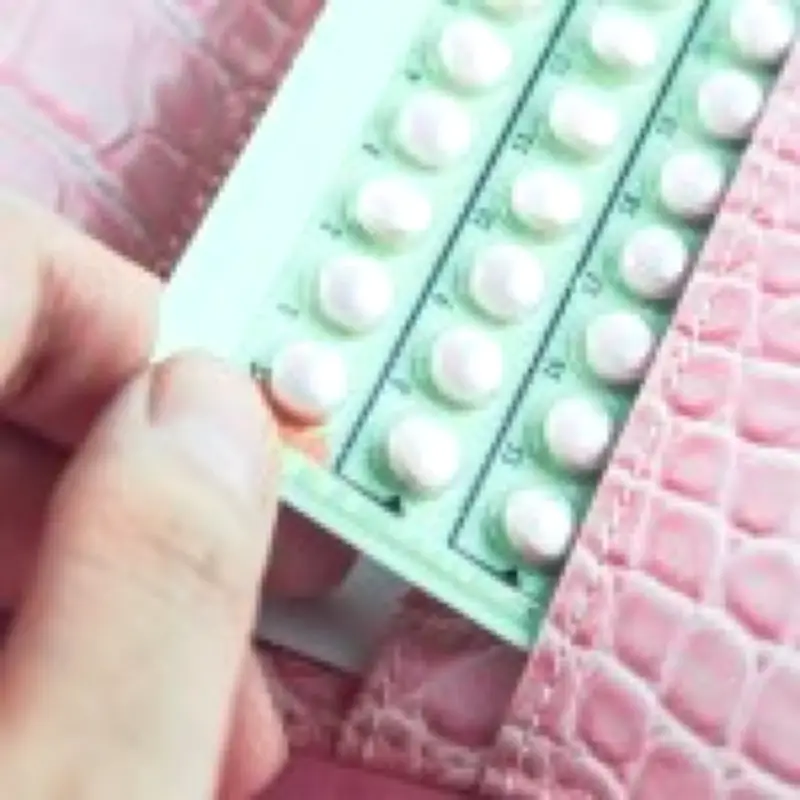
Around 76 per cent of women of reproductive age in the UK use contraception, with over 3 million taking a contraceptive pill. Jason Murphy, head of pharmacy at Chemist4U, explained that the combined pill, mini pill, patch, and vaginal ring all contain hormones 'sensitive' to temperature. 'Most are designed to be stored below 25C, and prolonged exposure above 30C can start to break down the hormones and reduce how well they work,' he said. 'So, a pill packet that’s spent a few days in a hot car, a handbag or beach bag, a steamy bathroom cabinet, or a windowsill isn’t necessarily going to protect you the way you’d expect – there’s a very real risk of unintended pregnancy as a result.'
Safe Storage Tips
Read the patient information leaflet and keep medicines in the coolest part of your house, or in the fridge if they are especially vulnerable to heat, such as insulin or certain antibiotics. When travelling, avoid leaving medication in a vehicle and keep it in a cool bag. The MHRA also warns that medical devices like blood glucose monitors can provide less reliable readings in hot conditions. Keep devices and test strips in a cool, dry place and check instructions for temperature guidance.
Signs of Compromised Medicine
Jason Murphy advises looking for pills that are discoloured, sticky, or softer than usual. If a packet has been in a hot location, treat it as compromised and start a new packet. He also recommends using a backup method of protection, such as condoms, for at least seven days. 'While it’s important that you don’t stop taking any prescription medications due to the heat, make sure you’re aware of how they might react to the weather,' he added. 'If something doesn’t feel right, make sure you speak to your pharmacist or GP.'