From ambient lighting arrangements to strategic shelving displays and essential rug rules, professional interior designer Lara Clarke reveals four straightforward styling techniques to help you put a distinctive stamp on your living environment. These expert tips aim to transform generic spaces into personalised sanctuaries that truly reflect individual tastes and lifestyles.
Creating a Personalised Home Atmosphere
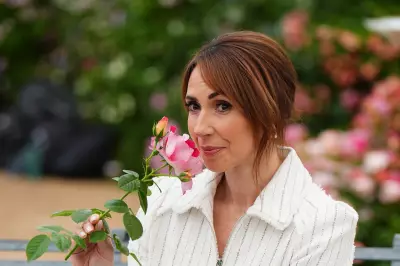
Flicking through glossy interiors magazines can easily sweep you away with trending decorative ideas, but it often leads to a reality check about how to genuinely express yourself through your surroundings. According to Surrey-based designer Lara Clarke of Lara Clarke Interiors, the solution lies in a collaborative, personal approach rather than imposing a generic style.
"It's about pulling your style out rather than putting our style on you," explains Clarke. "We work with clients to create something essentially theirs and unique—not a carbon copy of everything else. From how you live to fabrics you love, even where you'll sit with morning tea, these details are crucial for making a home work specifically for you and your family."

As an advocate for simple styling tricks that make rooms feel more expressive, Clarke shares her top professional recommendations to inspire both creative enthusiasts and interior design novices.
1. Mastering Layered Lighting Techniques
Lighting represents one of the most transformative elements in interior design. "Many people rely solely on downlights, but layering your lighting makes a tremendous difference," Clarke emphasises.
She recommends incorporating rechargeable wall lighting—flexible, cordless fixtures that mount with brackets or strong adhesive. "Instantly adding wall lights through brass sconces with decorative shades creates immediate atmospheric enhancement," she notes.
Table lamps provide another layering opportunity. Clarke suggests selecting distinctive lampshades rather than standard options. "Choosing a designer lampshade for a John Lewis table lamp, for example, elevates it significantly compared to plain white alternatives."
Coloured and patterned lampshades offer additional styling potential. "When you're not painting walls, lampshades become tools for adding colour and influencing mood. Patterned shades create visual interest where plain ones might appear boring," Clarke advises, highlighting how she integrates coloured shades with overall design schemes.
2. Strategic Shelving and Accessory Placement
When styling shelves, Clarke recommends creating visual balance through varied heights and thoughtful composition. "Incorporate taller elements like photos and books alongside floral arrangements," she suggests, cautioning against overcrowding. "Sometimes people stuff shelves full when actually less proves more effective."
The designer advocates balancing symmetry with organic arrangements. "Viewing a bookcase as a whole, you want some symmetrical elements without everything feeling overly staged. There needs to be equilibrium between structure and spontaneity."
Clarke's personal approach involves mixing horizontal and vertical arrangements. "I place many books flat, then position objects like vases or candles on top. When stacking books, balance them with decorative items to create dimensional interest."
3. The Art of Scatter Cushion Selection
"Cushions represent one area where you can completely transform a room's appearance," Clarke highlights. She emphasises quality construction as fundamental, noting that high-street cushions often lack proper filling.
The professional secret involves purchasing feather inserts one size larger than cushion covers. "Stuffing covers with oversized inserts creates fuller, more luxurious-looking cushions rather than flat, limp alternatives," Clarke explains. "Plump cushions appear more expensive and inviting on sofas."
Regarding quantity, Clarke believes you can never have too many cushions. "They provide excellent opportunities to add colour and interest to potentially plain sofas, serving as accessible decorative elements that refresh spaces easily."

4. Essential Rug Placement Principles
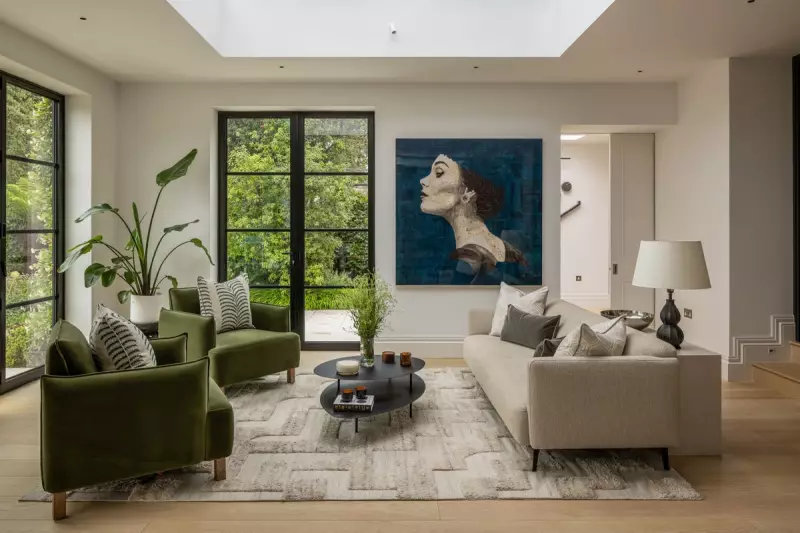
Common rug mistakes frequently undermine room aesthetics. "Many people select rugs too small for their spaces, which actually makes areas appear smaller," Clarke observes. "You want to oversize rugs so they don't resemble doormats under coffee tables."
The ideal approach involves positioning most furniture on the rug. "Your sofa, side tables, and accent chairs should ideally sit on the rug when possible," she recommends. "When uncertain, remember bigger consistently proves better for creating properly zoned spaces."
Clarke concludes confidently: "Proper rug sizing helps zone spaces effectively by incorporating furniture within defined areas, creating cohesive, intentional room layouts that enhance both function and aesthetics."