Advice workers across the United Kingdom are bearing the brunt of the nation's relentless cost of living crisis, with helplines ringing incessantly and organisations struggling under record demand and precarious funding. Despite political declarations that the crisis is easing, frontline staff report a reality where the pressure on households has not diminished.
Unrelenting Demand and Staff Burnout
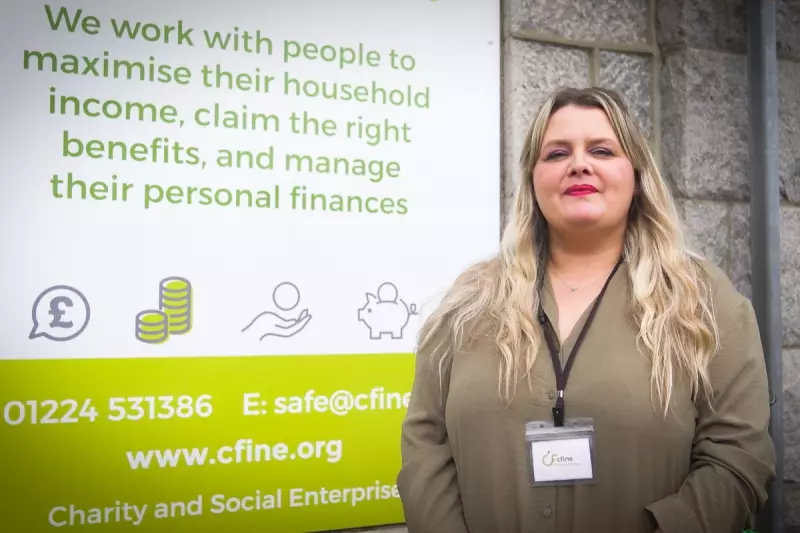
Kerry Gavin, an advice team leader at the CFINE support services charity in Aberdeen, describes the situation as one that "just doesn't let up." Having worked with the charity for a decade, she has witnessed a dramatic escalation in need. "We've had to increase the size of our team, we've had to increase the work hours, we've had to increase training... our phones are constantly ringing," she explained.
Ms Gavin highlighted the changing profile of those seeking help, noting a significant increase in working families unable to provide food until the end of the month or forced to forgo essential toiletries and cleaning products. "Every bill is increasing, from housing costs to council tax, gas, electricity, and travel costs," she said. "If everything's going up, even by a small margin, but the incomes or benefit rates aren't increasing in line with that, then people are having to make sacrifices left, right and centre."

The Funding Crisis and Service Cuts
Research from AdviceUK, representing over 700 independent advice providers, reveals that demand for these vital services has surged by 40 per cent since 2018-2019. This increase predates the dual pressures of the Covid pandemic and the subsequent cost of living crisis, indicating a sustained trend of growing need.
Michael Denton, general manager at Advice Mid Wales, described his centre's funding as currently "hand to mouth," despite serving residents across three Welsh counties for more than forty years. Funding for such services largely depends on a volatile mix of short-term charitable grants and local authority spending, creating an environment of constant uncertainty.
"We're often the first people that people go to in times of crisis," Mr Denton emphasised. "So to have that taken away and that reassurance in terms of social value, not just economic value – it would be catastrophic for a lot of people. They're always going to need that help that we offer. And if we're not offering it, I don't know that anybody else would be able to fill those gaps."
The Human Toll on Advice Workers
The immense pressure is taking a severe toll on the workforce. A staggering 88 per cent of organisations report significant issues with recruiting and retaining staff, while nearly two-thirds state they are likely to reduce or cut services due to financial constraints. Ms Gavin pointed to a "high burnout rate" among advisers, who often work from morning to night on highly emotive cases. She revealed that her team currently has one member off on long-term sick leave for a year and a half.
Many advice centre workers are voluntary or part-time, with some juggling multiple jobs to make ends meet. Mr Denton himself works as a pub landlord alongside managing the advice service, illustrating the precarious nature of employment in the sector.
The Economic Argument for Investment
Liz Bayram, chief executive of AdviceUK, challenged the notion that the cost of living crisis is abating. "The cost of energy, and all the things that we rely on, isn't reducing... despite this theory that the cost of living crisis is easing," she stated. She also highlighted the complexity of the welfare system, which makes specialist advice essential for people to access the resources they need.
Research commissioned by AdviceUK presents a compelling economic case for investment, finding that every £1 invested in free, specialist advice saves £2.71 in public costs by preventing crises. Mr Denton estimates that the services provided by Advice Mid Wales alone have helped bring £948,000 back to the local community since last April.
"It's the missed opportunity by not doing this well," Ms Bayram argued. "Because it stops people ending up in court, it stops people becoming homeless, stops people ending up relying on overstretched public services, stops them ending up being in hospital. It needs to be seen as a central part of how government fixes its cost of living crisis."

Calls for Statutory Duty and Government Response
In response to the funding crisis, AdviceUK has backed a campaign launched by the National Association of Welfare Rights Advisers to make social welfare advice a statutory duty. This would require local authorities to ensure its continued provision. The campaign has gained political support from Marsha de Cordova, MP for Battersea, who stated: "The complexity of our social security system means that welfare rights advice is vital but often hampered by poor funding and delays. That's why I'm supporting NAWRA's campaign to introduce a statutory duty to provide social welfare advice, making it equally accessible to all who need it."
A government spokesperson responded by acknowledging the "vital role of advice services" and pointing to £78 billion made available this year for councils to fund local services. The spokesperson also cited measures to tackle the cost of living, including increasing the national living wage and reducing average energy bills.
However, with inflation remaining above the Bank of England's target and essential costs still crippling household budgets, advice workers continue to operate on the frontline of a crisis that shows little sign of relenting. The relentless demand and precarious funding models suggest that without structural change, these essential services may struggle to sustain the support that countless UK residents desperately need.