

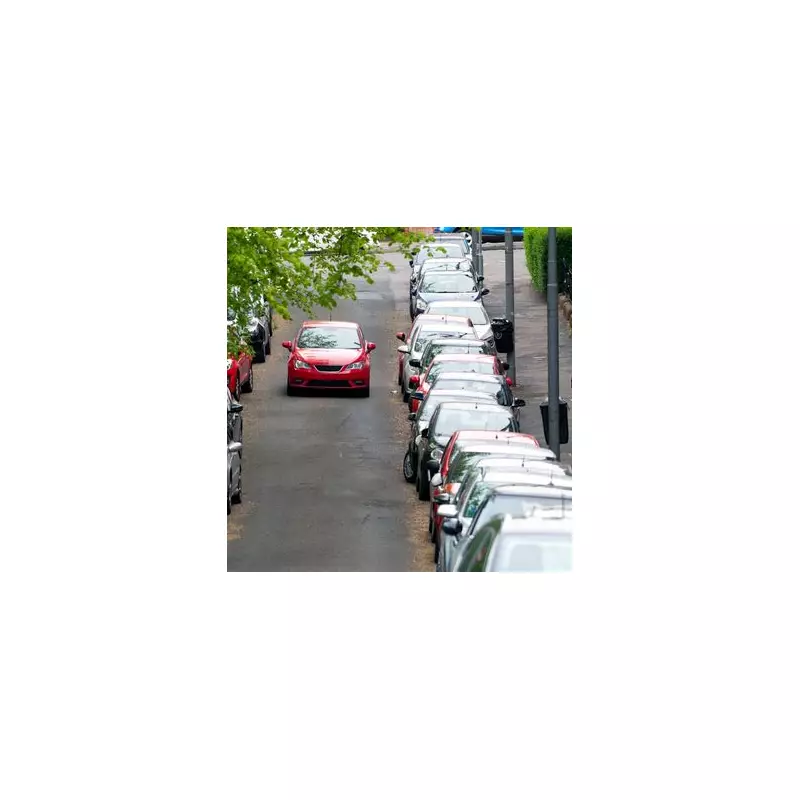
Homeowners and business owners across the UK are being warned that a seemingly harmless method used to reserve parking spaces is in fact illegal and could lead to a substantial fine or even a prison sentence.
The Widespread but Illegal Practice
With a record 34.4 million licensed cars on UK roads, and over 42.3 million vehicles when including vans and motorbikes, competition for roadside parking is intense. In response, many residents and shop owners have taken to placing traffic cones or other objects on the public highway to claim a space directly outside their property.
However, authorities have clarified that this common practice is a direct violation of the law. Public highways are intended for the movement of traffic, not for private reservation, and only local councils, the police, or licensed contractors have the legal authority to place cones.

Legal Consequences Under the Highways Act
The key legislation is the Highways Act 1980. Staffordshire County Council explicitly states: "Under the Highways Act 1980, it is an offence to obstruct the highway without permission from the local highway authority."
Section 137 of the Act makes the position clear. It is an offence to wilfully obstruct the free passage along a highway. Those found guilty are liable to imprisonment for a term not exceeding 51 weeks, or a fine, or both.
According to traffic management experts like OPT Signs, unauthorised use of cones can result in fines ranging from £100 to £1,000 under either the Highways Act 1980 or the Road Traffic Regulation Act 1984. Even moving cones legally placed by authorities is considered an offence.
What Should You Do If You See an Obstruction?
The official advice from the UK Government is to report obstructions on the road – which include illegal signs, cones, or other items – to the local council or National Highways.
The Highway Code, under Rule 280, offers limited guidance for drivers. It states you may remove an obstruction if you are certain it is unauthorised, but only if it is completely safe to do so on a quiet, low-traffic road. Crucially, you cannot take the cone away with you.
As Barriers Direct highlights, removing a traffic cone with the intention of keeping it could potentially be prosecuted as theft under the Theft Act 1968.
The message from authorities is unequivocal: using cones to reserve public parking is not a harmless local custom but a prosecutable offence that carries serious financial and legal risks.






