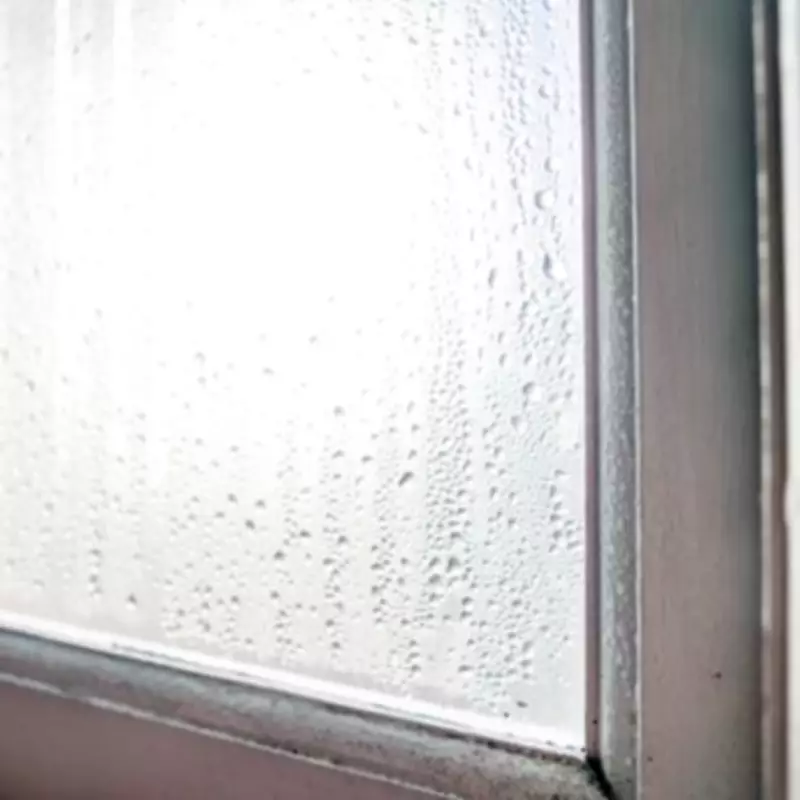
Professional Cleaner's Simple 15-Minute Solution for Window Condensation
A professional cleaner has revealed a remarkably straightforward morning routine that effectively removes window condensation in just fifteen minutes. This technique, which focuses on proper ventilation, promises to tackle the persistent issue of damp windows that plagues many households during colder months.
The Science Behind Window Condensation
Window condensation occurs naturally when warm indoor air meets cold window surfaces, creating moisture droplets on the glass. While this phenomenon indicates your home is effectively retaining heat against winter weather, it can lead to mould growth and property damage if left unaddressed. Many homeowners struggle with this seasonal challenge, searching for practical solutions that don't require expensive equipment or complex procedures.
The Professional Cleaner's Recommendation
Experienced cleaner Lisa Stewart, who regularly encounters condensation issues in clients' homes, shared her expertise through the popular Mrs Hinch Cleaning Tips Facebook community. She emphasised that ventilation represents the most effective approach for eliminating condensation problems. Her specific recommendation involves opening windows for fifteen minutes each morning to allow fresh air circulation throughout living spaces.

Stewart explained that this simple practice works wonders for ending window condensation and preventing mould development. The method requires minimal effort and no special cleaning products, making it accessible to virtually every household regardless of budget or cleaning experience.
Putting the Method to the Test
To verify the cleaner's claims, our reporter conducted a practical experiment during winter conditions. With condensation visibly present on bedroom windows, the windows were opened despite concerns about indoor temperature dropping. The fifteen-minute ventilation period produced noticeable results, with condensation beginning to clear from the glass surfaces.
Interestingly, the reporter observed that condensation took significantly longer to reappear on the ventilated windows compared to other areas of the home. Additionally, the incoming fresh air created a noticeably refreshed atmosphere in the room, improving overall air quality beyond just addressing the condensation issue.
Optimising the Technique for Better Results
While the basic ventilation method proved effective, our testing revealed an important refinement for optimal performance. When combining window opening with room heating, condensation cleared more rapidly and completely. This dual approach prevents the fresh air from making indoor spaces uncomfortably cold, though it does involve additional energy consumption.
For households concerned about heating costs, the basic ventilation method still delivers substantial benefits. Regular morning ventilation establishes a routine that helps prevent condensation accumulation throughout the day, reducing the need for constant heating alongside window opening.
Additional Considerations for Persistent Condensation
In cases where condensation continues to appear despite regular ventilation, immediate action becomes necessary. Persistent moisture accumulation can lead to mould growth, which presents health risks and property damage concerns. When droplets remain after ventilation, promptly wiping windows dry provides an effective supplementary measure.
This comprehensive approach—combining regular ventilation with occasional drying—creates a robust defence against window condensation and its associated problems. The method proves particularly valuable during peak condensation seasons, offering households a practical, cost-effective solution to a common winter challenge.