

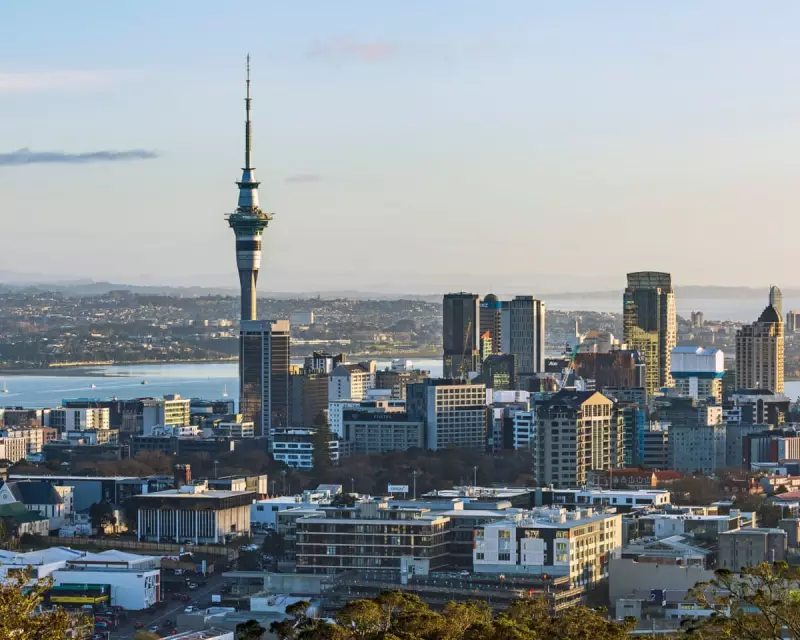
A pointed letter to the editor has cast a stark light on the class divide inherent in a recent debate about work culture in New Zealand. The discussion, which centred on some professionals taking an extremely long summer hiatus, has been criticised for ignoring the reality of the country's low-paid essential workforce.
The Privilege of an Extended Holiday
The controversy began after a Guardian report on 12 December detailed how some New Zealanders were effectively checking out of serious work from the Christmas period until March. This prompted a sceptical response from reader David Parker of Auckland. In his letter, Parker questioned exactly which workers could afford such a lengthy break, dismissing the idea that it applied to vast swathes of the working population.
"Retail workers? No, they’re straight back on deck for Boxing Day sales. Supermarket workers? Certainly not. Hospital staff? Fast-food workers? Bar and cafe workers? I think not," Parker wrote. He argued that the phenomenon was likely confined to a more privileged echelon of society, including company directors, academics, and politicians.

The Unseen Workforce
Parker's core argument highlighted the invisible labour that keeps society functioning during the holiday period. He emphasised that minimum-wage workers need not apply for this extended break. While some discuss "circling back in February," countless others are working through the summer for what he described as "atrocious wages."
These individuals, from bin collectors to hospitality staff selling beer, are the unseen engine of the summer economy. Their necessity underscores a significant economic disparity, where the luxury of a prolonged holiday is a perk available only to those in certain professional or managerial roles.
A Reflection on Work and Inequality
The letter, published in the Guardian's correspondence section, serves as a sharp social commentary. It moves the conversation beyond a simple debate about holiday lengths to a more profound examination of workplace inequality and whose labour is valued—and visible—in society.
By framing the issue around who can actually afford to take a break, Parker exposes the often-overlooked rift between different socioeconomic groups. The discussion touches on sectors including the retail industry, healthcare industry, and hospitality industry, where shift work and low pay are common, making an extended summer break an impossible fantasy.
The Guardian actively encourages such discourse, inviting readers to submit opinions for its letters section, ensuring a plurality of voices on topics affecting New Zealand and beyond.






