

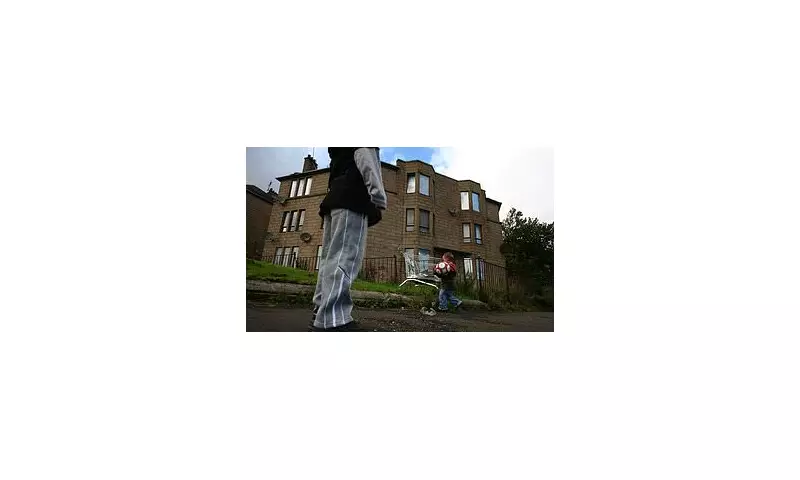
Official statistics have revealed a stark increase in the number of children spending the festive season in homes without any working adult, reaching an eleven-year peak under the current Labour government.
A Soaring Number of Children in Workless Homes
Data from the Office for National Statistics (ONS) shows that 1.52 million youngsters were living in a household where no adult family member was employed as of September this year. This marks a significant jump from the 1.37 million children recorded in workless homes during the final quarter of the previous year.
The increase means an estimated 146,000 additional children experienced Christmas in a home without a regular income. The current total is the highest seen since the period from October to December 2014, when the figure stood at 1.54 million.

Political Blame and Policy Clashes
The Conservative opposition has squarely attributed the rise to Labour's economic policies. They cite the government's changes to National Insurance for employers and increases to the minimum wage, which they claim have created a 'Jobs Tax' that makes hiring more expensive for businesses.
Tory work and pensions spokesperson Helen Whately stated: "Too many parents are being priced out of work by Labour's Jobs Tax and Unemployment Rights Bill." She argued that the government's approach is making welfare a more rational choice than employment for some, and called for firmer reforms to the benefits system.
The political row intensifies against a backdrop where the total number of workless households has climbed to over three million under Labour. A driving factor behind this rise is a surge in sickness and disability claims, with almost 40% of those in jobless homes now citing ill health as the reason for not working.
Government Response and Future Plans
The government acknowledged the long-term nature of the challenge. A spokesman highlighted that the number of lone parents in work has actually increased by 55,000 in the past year, reaching 1.3 million.
They outlined their strategy, stating: "We are reforming a broken system by shifting our focus from welfare to work, skills and opportunities." This plan is backed by a pledge of £1 billion a year for employment support by the end of the decade, alongside major reforms to Jobcentres intended to provide more personalised help for job seekers.
This situation follows Prime Minister Keir Starmer's decision to shelve proposals for a £5 billion reduction in the benefits bill after internal party dissent. Meanwhile, Chancellor Rachel Reeves's recent Budget, which included £3.1 billion to lift the two-child benefit cap, faced criticism from opponents as a 'Budget for Benefits Street' lacking substantial measures to cut welfare spending.






