Amazon Worker Fired During Surgery Recovery for Work-Related Hernias, Lawsuit Alleges
Amazon Worker Fired During Surgery Recovery, Lawsuit Says

Amazon Warehouse Employee Terminated While Recovering from Work-Related Surgery

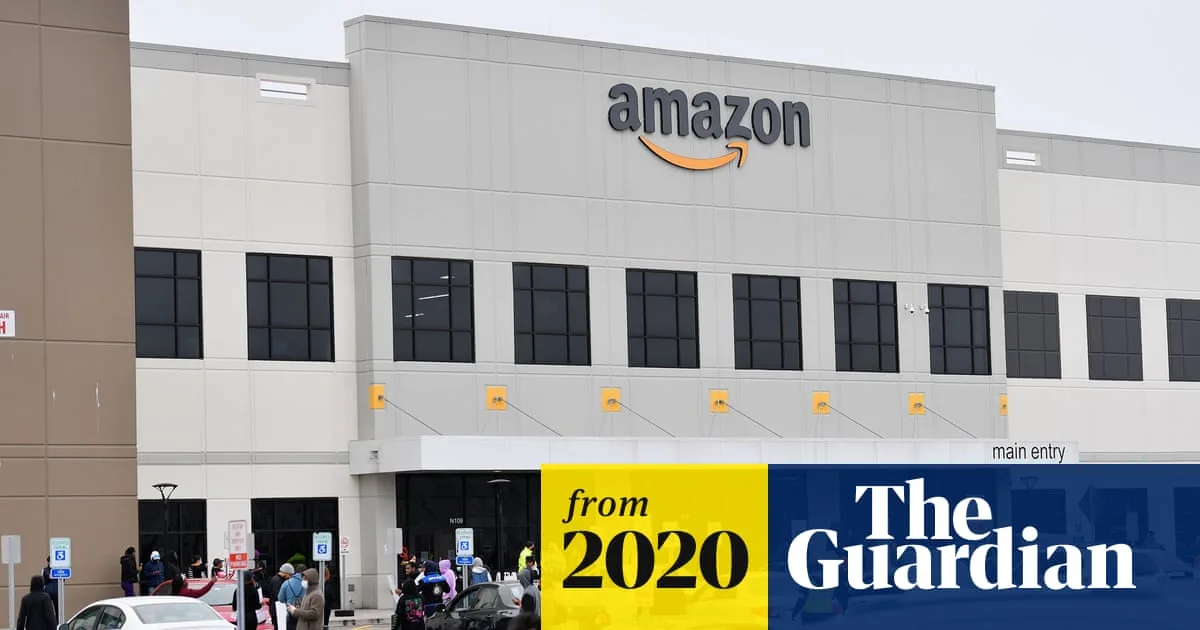
A federal civil rights lawsuit alleges that an Amazon warehouse employee was fired while recuperating from surgery to repair two hernias he sustained on the job. Lashone Brown, a Las Vegas resident, was "automatically terminated" five days into his approved two-week recovery period, according to legal documents obtained by The Independent.

Automated System Errors Lead to Dismissal

Brown's complaint states that although he had been granted official medical leave, Amazon's automated attendance system misclassified his absences as unexcused. The lawsuit contends that Amazon's human resources department acknowledged the errors were their fault but failed to correct them. Instead, the company allegedly used the opportunity to punish Brown for filing a workers' compensation claim regarding his workplace injuries.

"He was terminated by Amazon while recovering from approved surgery for a workplace injury, and we are proud to represent him in seeking the justice he deserves," said attorney Matthew T. Hale, who is representing Brown.

High Injury Rates at Amazon Warehouses

People working in Amazon warehouses suffer musculoskeletal injuries, including hernias, at a rate four times that of the rest of the industry, according to the Washington State Department of Labor & Industries. A 2024 report by the U.S. Senate Committee on Health, Education, Labor, and Pensions criticized Amazon's "relentless efforts to push workers to move faster and its failure to provide a safe environment," which it said results in "workers getting injured at extremely high rates."

One Amazon warehouse worker told The Guardian: "Not all people report injuries because they are scared to get taken off their job or told they can't work over there anymore. I have many times come home with bruises from work at Amazon and I experienced my first hernia there." Another worker at an Amazon facility in Rock Tavern, New York, described her department as "a hernia factory."

Brown's Employment History and Injury

Brown began working as an Amazon warehouse associate in December 2023, according to his complaint filed on February 27 in Nevada federal court. Warehouse associates are responsible for picking, packing, and shipping orders, sometimes for Amazon's super-fast delivery service. The job requires candidates to lift up to 49 pounds, push utility carts up to 60 pounds, and perform physically demanding tasks throughout shifts.

On January 15, 2025, Brown sustained an injury at work resulting in both inguinal and umbilical hernias that limited his ability to lift and perform regular duties. He filed a workers' compensation claim and was given medical restrictions, including a five-pound lifting limit. Amazon assigned him to light-duty assignments through a "Temporary Work Placement Acknowledgement."

System Failures and Retaliation Allegations

For several months, Brown took approved leave and returned to work in August 2025 with continued restrictions. Amazon issued a second Temporary Work Placement Acknowledgement, but the automated attendance system allegedly failed to recognize his approved accommodation and improperly assigned negative attendance points.

As Brown prepared for his surgery, he repeatedly reported to Amazon HR that the system was misclassifying his approved leave and accommodations as unexcused absences. According to the complaint, HR never addressed these concerns.

On October 10, 2025, Brown underwent surgery to repair his hernias. Although he was on approved leave through October 24, Amazon allegedly failed to remove him from the schedule, and the system continued to record absences. On October 15, 2025, while recovering at home, Amazon automatically terminated Brown for excessive absences.

Legal Action and Broader Context

The lawsuit asserts that Brown's termination constituted "retaliation for his protected activity"—specifically, his workers' compensation claim, which can increase a company's insurance premiums and attract regulatory scrutiny. Last month, Brown filed discrimination charges against Amazon with the U.S. Equal Employment Opportunity Commission and the Nevada Equal Rights Commission. After receiving a right-to-sue notice, he filed suit against Amazon last week.

Brown's complaint accuses Amazon of failure to provide reasonable accommodation, tortious discharge, workplace discrimination, and interference with Family and Medical Leave Act rights. It claims the company subsequently refused to reinstate him and acted "with malice or with reckless indifference or conscious disregard of his rights."

Brown is seeking compensatory, special, and general damages for lost earnings, salary, bonuses, and other benefits; emotional distress damages; and punitive damages to deter Amazon from engaging in similar conduct in the future, plus attorneys' fees and court costs. Amazon, which was served with the suit on Monday, has approximately three weeks to respond to the allegations.

An Amazon spokesperson did not respond to a request for comment on Wednesday. The case highlights ongoing concerns about workplace safety and employee rights at one of the world's largest retailers, whose founder, Jeff Bezos, is the second-wealthiest person globally with a reported net worth exceeding $220 billion.