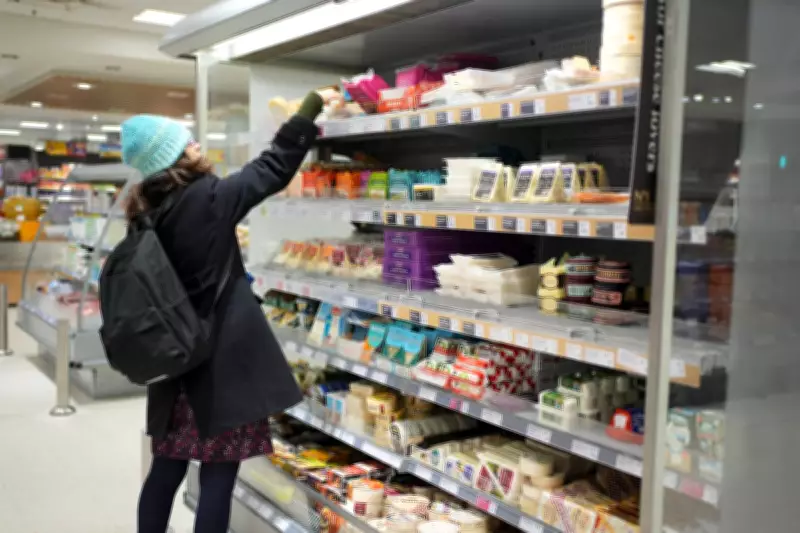
The Treasury has reportedly asked supermarkets to limit food prices, potentially capping the cost of essential groceries such as eggs, bread, and milk. In exchange, the government could offer incentives, including easing packaging policies and delaying changes to healthy food rules, according to the Financial Times.
Background and Context
The proposals follow the Scottish National Party's announcement last month of a similar policy in Scotland. Additionally, Rachel Reeves introduced new measures allowing the Competition and Markets Authority to name and shame firms that adjusted margins in response to the US-Iran war and global economic shocks. A government minister denied discussions with supermarkets on Wednesday, while the Treasury reiterated its aim to help keep costs down for families.
What Are Price Controls?
Price controls are government-enforced restrictions on the prices charged for goods and services, intended to maintain affordability during shortages and slow inflation. The Treasury reportedly asked supermarkets for guarantees that British farmers would not lose income from price caps, and recommended reinvesting savings from regulatory changes to freeze grocery prices.

Why Is This Being Considered?
Food price inflation currently stands at 3 percent, while overall inflation was 2.8 percent in April. Some industry groups warn that food price rises could approach 10 percent by the end of 2026. Price increases in supply chains are attributed to rises in the national living wage, employers' national insurance contributions, and a surge in fertiliser and animal feed prices due to the Iran war. The foreign secretary warned of a potential global food crisis from Iran's blockade of the Strait of Hormuz.
How Would This Work?
The UK has not implemented mandatory price caps on supermarket food for decades, with the last instance during Edward Heath's government in the 1970s. However, similar measures have been introduced in some EU countries, such as Hungary, where former Prime Minister Viktor Orban capped profit margins on 30 essential food items last year. While providing short-term relief, economists warned it did not cure underlying inflation.
Supermarket Response
Helen Dickinson, chief executive of the British Retail Consortium, said: "Rather than introduce 1970s style price controls and trying to force retailers to sell goods at a loss, the government must focus on reducing public policy costs pushing up food prices." She added that retailers face higher energy and commodity costs from the Middle East conflict and government policies, but noted the UK has the most affordable grocery prices in Western Europe due to fierce competition.
Government Stance
Treasury minister Dan Tomlinson rejected reports of government urging supermarkets to voluntarily cap prices, telling Sky News: "This isn't something we're looking at." He stated the government is instead examining ways to help households across the economy.