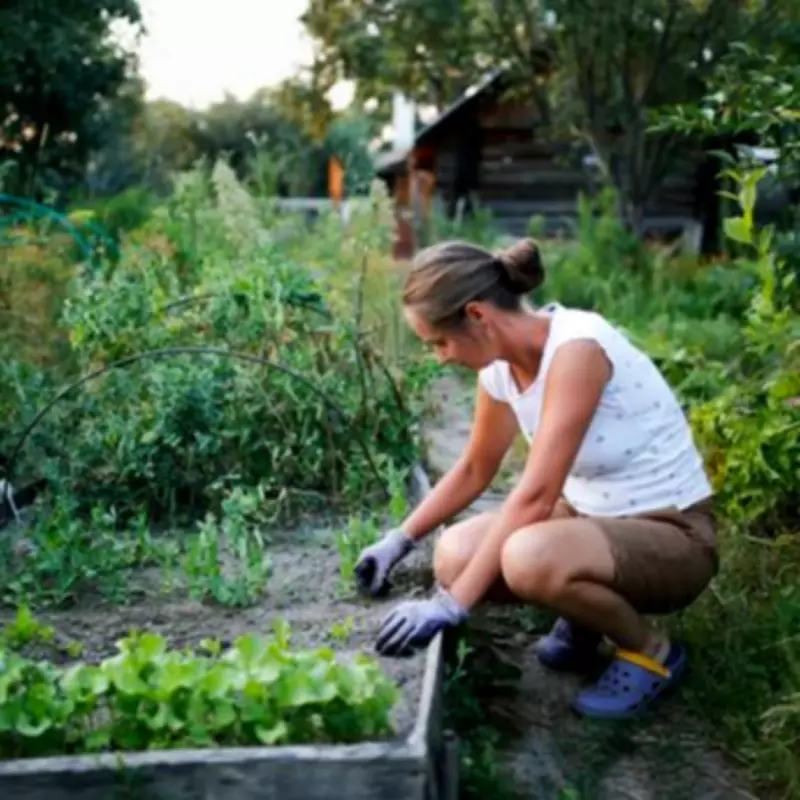
As temperatures rise, many homeowners dream of relaxing in their gardens, but the prospect of constant lawn mowing, border tidying, and weed removal can dampen the joy of summer. However, TV gardening expert Katie Rushworth has revealed a simple approach to achieving the "perfect" summer garden: doing less.
The 70/30 Rule Explained
Partnering with Wickes for a new online Summer Garden Guide, Rushworth advocates for what she calls the "70/30 Rule." According to the ITV's Love Your Garden regular, about 70 per cent of a garden should remain "managed," featuring tidy borders, trimmed pathways, and well-kept outdoor spaces. The remaining 30 per cent can be left wilder, with longer grass, wildflowers, and natural habitats to encourage wildlife.
"Your garden should be a place you want to spend your summer—morning coffee, long lunches, evening drinks. Don't stress about keeping every inch perfectly maintained; the whole point of summer is to relax and enjoy it," Rushworth said.

Benefits of Letting Nature Take Its Course
Allowing parts of the garden to grow naturally can reduce maintenance while boosting biodiversity. Elements like log piles, wildflower patches, and less frequent mowing attract pollinators and hedgehogs. This approach aligns with recommendations from the Royal Horticultural Society (RHS), which suggests leaving lawn sections unmown to support bees and butterflies while reducing upkeep.
The RHS also notes that longer grass withstands dry conditions better than closely cropped lawns, helping gardens stay greener during heatwaves. Wildlife-friendly gardens have become increasingly popular as homeowners seek lower-maintenance outdoor spaces.
Broader Environmental Impact
The Wildlife Trusts emphasizes that even small changes, such as letting grass grow longer or adding wildflowers, can significantly enhance biodiversity in urban gardens. Conservation experts highlight that gardens collectively play a crucial role in supporting declining insect populations.
The 70/30 rule is a key part of Wickes' Summer Garden Guide, which focuses on creating high-impact, low-effort gardens. Rushworth also offers advice on outdoor entertaining areas, plant selection, and practical low-maintenance ideas.
Online, gardening enthusiasts have increasingly embraced "wild gardening" approaches, moving away from immaculate lawns. Specialists attribute this trend to growing awareness of biodiversity, environmental responsibility, and the desire for gardens that are easier to enjoy rather than constantly maintain.