Government Contingency Plans Address Iran War Fallout on UK Supplies
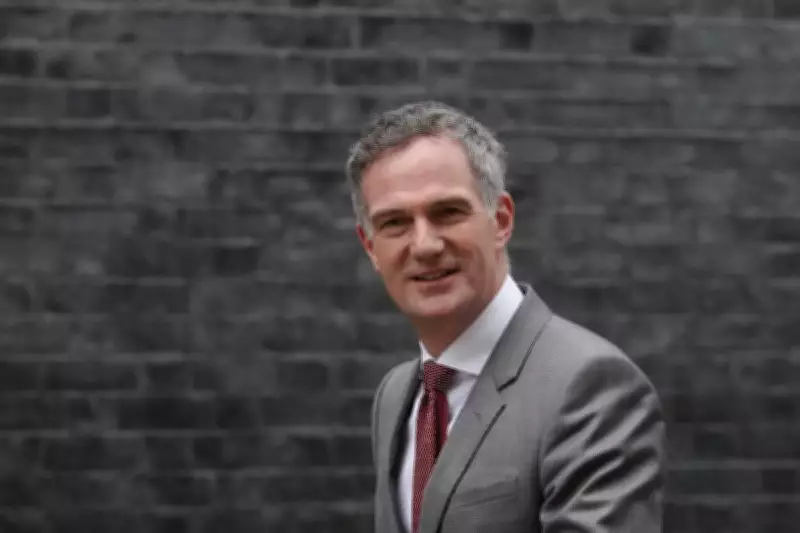
Business and Trade Secretary Peter Kyle has urged the public to feel "reassured" that ministers are actively developing contingency plans to mitigate the impact of the Iran war on critical supplies. This follows a leak to The Times revealing government preparations for potential food shortages and disruptions to carbon dioxide (CO2) supplies.
Worst-Case Scenario Planning for Supermarket Shelves
According to leaked government documents, a reasonable worst-case scenario suggests that if the conflict continues unabated, UK supermarkets could experience less variety on shelves, though critical shortages are not anticipated. The plans, which are standard procedural tools rather than predictions, outline potential ripple effects from the ongoing Middle Eastern hostilities.
Peter Kyle emphasised the government's proactive stance in a radio interview, stating, "When people do read it, they need to be reassured that we are doing this kind of planning, and we are doing this kind of scenario planning." He contrasted this with the COVID-19 response, noting Prime Minister Keir Starmer's personal involvement in resilience efforts from the outset.

CO2 Supply Concerns and Mitigation Efforts
The same leak indicated that CO2 supplies could be affected if the war extends into summer, impacting packaged meats, salads, and breweries that rely on the gas for carbonation. However, Kyle later insisted supplies are "not a concern" for the UK, citing preemptive actions taken months ago.
He highlighted that CO2 has critical uses beyond food and drink, including in MRI scanning, water purification, and the nuclear industry. To bolster resilience, the government funded the reactivation of the Ensus bioethanol plant in Teesside, which produces CO2 as a by-product, after Kyle had previously mothballed it to prevent permanent closure.
Industry and Cross-Government Response
Tesco CEO Ken Murphy reported that the supermarket is in "constant contact" with the government to support contingency planning but has seen no issues with suppliers thus far. He endorsed the government's approach, saying, "We completely support their efforts."
Meanwhile, Health Secretary Wes Streeting expressed confidence in NHS supply resilience, though plans are in place to prioritise ambulances in case of diesel shortages. He noted, "The likelihood of us needing to activate these worst-case scenario plans is reassuringly low."
Broader Economic Measures Amid Conflict
In related developments, Shadow Chancellor Rachel Reeves has expanded plans to cut electricity bills for UK manufacturing firms affected by rising costs from the Iran conflict. An initiative announced last summer, which aimed to reduce bills by up to 25% for over 7,000 businesses, will now cover 10,000 firms, as Reeves continues discussions in Washington DC on economic fallout.
A government spokesperson reiterated that worst-case scenarios are standard planning exercises, not forecasts, underscoring the precautionary nature of these preparations.