The Office for National Statistics (ONS) reported that Consumer Prices Index (CPI) inflation dropped to 2.8% in April, down from 3.3% in March, marking the lowest level since March 2025. This decline exceeded expectations, as most economists had predicted a fall to 3%.
Energy Price Cap Reduction Drives Down Inflation
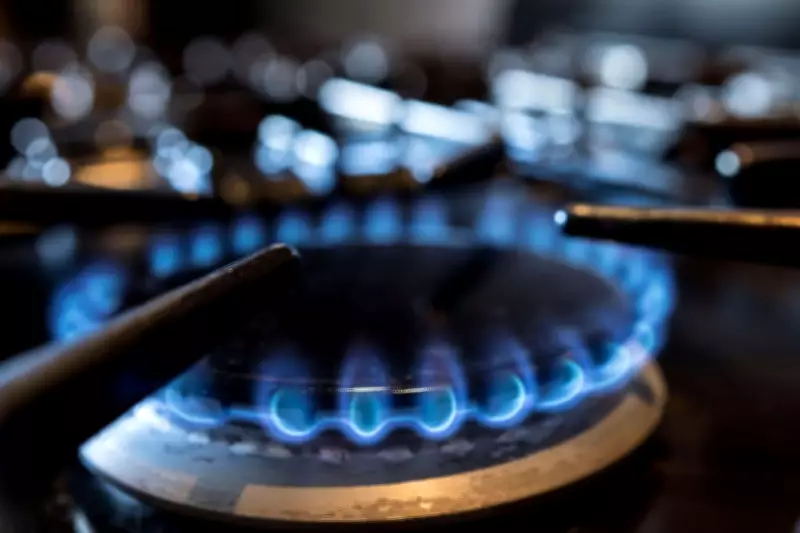
A key factor behind the slowdown was Ofgem's reduction of the energy price cap by 7% from the start of April, equivalent to £10 per month for the average household using both electricity and gas. This was driven by government measures aimed at lowering bills.
Iran War Threatens Future Inflation
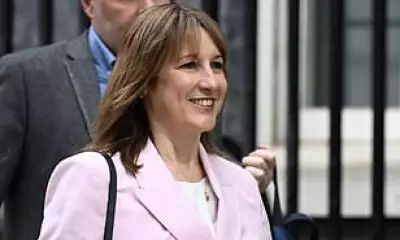
Despite the current respite, inflation is expected to surge again as the conflict in the Middle East pushes fuel prices higher. The energy price cap is predicted to increase significantly from July, with analysts at Cornwall Insight forecasting a 13% rise, or £209 annually. Chancellor Rachel Reeves is anticipated to announce a cost-of-living support package this week, including abandoning a planned fuel duty increase in September and introducing targeted energy cost measures.

Government Response and Economic Stability
Reeves stated: "The war in Iran is not our war but one we will need to respond to, and the decisions I took in the budget last year have kept inflation down as we deal with global instability. We have the right economic plan, and to change course now would risk our economic stability and leave working people worse off." She highlighted previous support measures, including £117 off energy bills, frozen rail fares, and lifting the two-child limit.
Fuel Prices Soar Amid Global Tensions
The ONS noted that petrol prices rose by 16.6p to 156.8p per litre in April, the highest since November 2022, while diesel surged by 31.3p to 190p per litre, the highest since the Ukraine war in 2022. The Bank of England forecasts that inflation could reach up to 6.2% in a worst-case scenario if oil and gas prices remain elevated due to the Iran war.
Economic Outlook and Interest Rates
Thomas Pugh, chief economist at RSM UK, warned that the inflation respite "won't last," predicting a jump in July when the utility price cap resets. However, the lower-than-expected CPI data, combined with weaker wage growth and a cooling jobs market, may lead the Bank of England to hold off on interest rate hikes. Matt Swannell, chief economic adviser to the ITEM Club, noted that the data strengthens the case for the Monetary Policy Committee to adopt a wait-and-see approach, though risks of rate hikes later in the year remain if energy prices stay high.