One of the many bold, indeed brave, remarks the King made during his address to both houses of the US Congress concerned the genius of the American constitution and Magna Carta, “not least as the foundation of the principle that executive power is subject to checks and balances”. Yet despite this timely reminder, many legislators in the audience seem disinclined to exert their constitutional power as equal partners in the governance of the United States, nor even be stirred to uphold the laws they themselves enacted.
So it is that the Republican majorities will not enforce the War Powers Resolution of 1973, which requires a president to terminate a military campaign at the end of the 60-day period unless Congress has declared war or authorised the use of military force. In the case of Iran, it has done neither. That resolution was passed during a previous period of imperial presidential overreach when lawmakers were attempting to wind down the war in Southeast Asia, and was actually a dilution of the power the constitution confers on Congress to approve a declaration of war.
The Trump administration, and most recently the secretary of defence Pete Hegseth, argue that the present ceasefire means the War Powers Resolution has no force yet: “We are in a ceasefire right now, which our understanding means the 60-day clock pauses, or stops, in a ceasefire”. Of course, the law has no such “pause clause”, and the president will in any case ignore the law. This is a disaster, not only for peace in the region but for the world economy.

The Twin Blockades and Their Toll
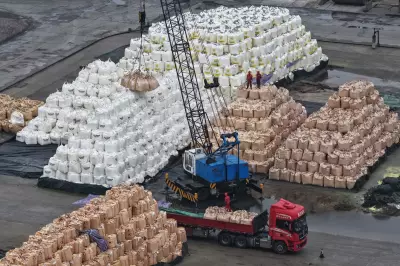
The current twin blockades – Iran has shut down the Strait of Hormuz and America has shut down Iran’s ports in turn – are open-ended. Apart from Israel’s continued aggression in Lebanon, there is a kind of peace in the region, and there are no news reports of spectacular damage to bridges or sunken warships. That doesn’t mean the conflict is over. It means that it has fallen into a stalemate, but with every single day that passes, the strangulation of world trade tightens further, as supplies of oil, gas, raw materials and much else dry up. Shipping traffic is around 5 per cent of normal levels.
Prices of fuel, energy and food are already rising, and general inflation is clearly up. The prospect of a wave of interest rate cuts across the major economies has gone – the talk now is of credit being choked off. Medication for everything from eye infections to ADHD is becoming harder to get hold of. If helium stocks are exhausted, MRI scans will become impossible. Fertilisers may not be available to prevent acute food shortages, especially in poorer countries, and in the richer world food inflation could top 10 per cent in the coming months.
Ripple Effects Across the Globe
No one can be sure that there will be sufficient jet fuel for essential haulage needs, let alone summer holidays. Households have some respite during the summer months from higher gas and electricity bills, but what may happen when winter approaches will obviously be critical. The second and subsequent round effects of this are equally grim. Higher inflation means rising interest rates, which will squeeze households, businesses and the government’s ability to borrow money to protect economies from a recession descending into a self-perpetuating slump. If China cannot import oil and earn from its exports, then it cannot buy American soya and grains, nor lend the US Treasury money.
Decades of globalisation and integrated supply chains mean that no country can count itself immune from the current upheavals, even if they are approaching only slowly and incrementally. What economists call “demand destruction” is already underway – when heating or transportation becomes so absurdly expensive that consumers and businesses simply cannot afford it. Indeed, as in the early stages of the Covid pandemic, some items may be unobtainable no matter how much someone is willing to pay for them.

A Supine Congress and False Security
It would be comforting to think that such pressures, at least in the democracies, would lead the Trump administration to review its current course to economic catastrophe, but there is no sign of that yet – not even in this extraordinarily supine Congress. Partly this is because of a false sense of security, in turn born of traditional American exceptionalism; and partly because America’s energy self-sufficiency to some extent insulates it from immediate pain – but it cannot do so forever. Given that it takes weeks if not months for tankers and container vessels to move about, even if the war in Iran and associated blockades were over immediately, it would take time for things to normalise and business confidence to return.
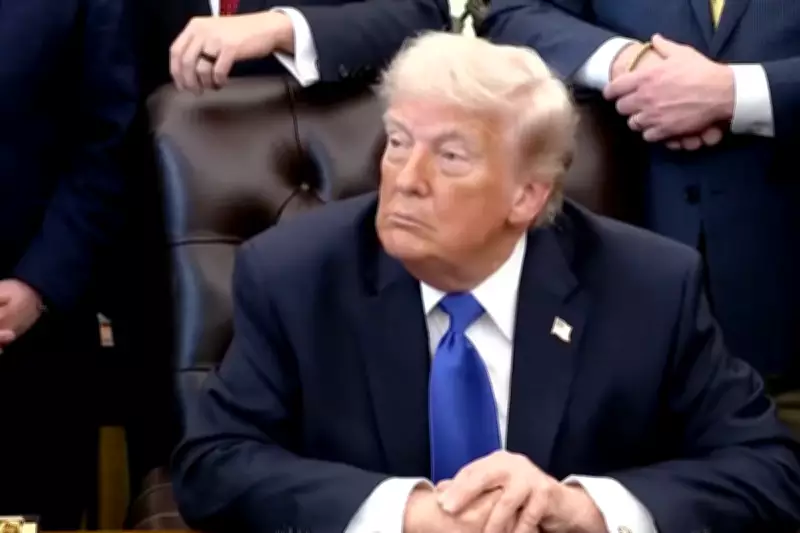
If we know anything, we know that this war will most likely meander well into the summer. As the months drag on, the shortages will intensify, but not in a way that a crisis will be suddenly triggered. The Iranian and American blockades leave the world economy in the same predicament as the fable of the frog in a pan of gently but inexorably heating water, hardly noticing until it is too late that it is being boiled alive. It is almost too frightening to ask the question, but it has to be raised: as he goes off on his meaningless weaves and publishes ever more bizarre AI images of himself as the messiah, does President Trump even realise what is happening out there?