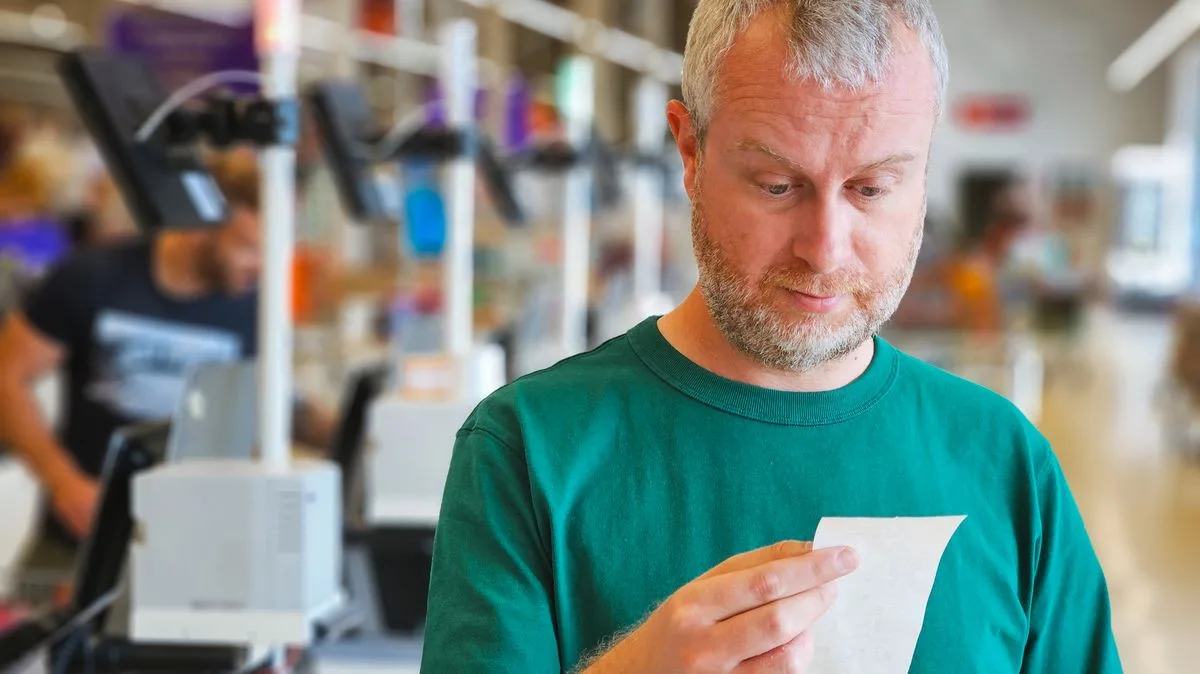
Supermarket chiefs have strongly criticised reports suggesting they could be asked to freeze the cost of essential items to assist households struggling with the cost of living crisis. The Treasury has reportedly held discussions with supermarkets about capping the price of up to 50 products, including milk, eggs, and bread, in exchange for reducing other regulatory costs.
Industry Leaders React
Stuart Machin, chief executive of Marks & Spencer, described the idea as 'completely preposterous'. He stated: 'We have had no direct communication about this, it is just what I have read, but it is completely preposterous. I don't think the government should be running business, it should be trying to encourage better business.'
Mr Machin pointed to recent inflation data showing food price rises eased to 3% in April. He claimed that M&S makes a loss or very thin profit margin on many items that could be subject to a price cap. He noted that the price of a pint of milk has remained at 85p for the past couple of years, with a margin of minus 7%, and that its 75p loaf of bread is also sold at a loss.
Stuart Rose, former boss of M&S and ex-chairman of Asda, branded the proposals as 'stuff of nonsense'. The Tory peer added: 'This smacks of state control. It is idiotic, it is dangerous, and it will never work. Who is going to pay the bill? Who decides what products? It is absolute nonsense.'
Support for Price Controls
However, some economists argue that price controls are necessary. James Meadway, co-director of the think tank Verdant, said: 'Price controls are a necessary step in addressing the crisis and controls are being successfully applied in a growing number of developed countries like Greece's 'household basket' system for essential foods. Major supermarkets like Tesco are already making higher profits and have the capacity to manage prices of essentials in the public interest. If they will not do this voluntarily then the government should of course use legal measures as needed.'
Devika Dutt, economist at King's College London, stated: 'Price caps are effective tools to control the rise in price of essentials. It will have a bigger, and more consistent impact on cost of living than what is captured in inflation data. We already have an energy price cap in practice in this country that has moderated the impact of rising energy prices on households. This will provide the most relief to the poorest households that spend a larger proportion of their incomes on food, which would be quite welcome.'
Conor O'Shea, campaign coordinator at Cost of Living Action, added: 'The government is right to be looking at price caps on food, and noises that they were investigating similar on rent is also welcome. We are living through an unprecedented cost of living crisis where bills are crippling families. Implementing fairer pricing must be a key pillar of the government response to this. Our research showed that four in five people think the government is doing badly at tackling the cost of living. It is crystal clear that the government needs to change its approach and address the structural drivers of this crisis, as well as providing immediate support.'