Remote Australian Communities Grapple with Soaring Food and Fuel Prices
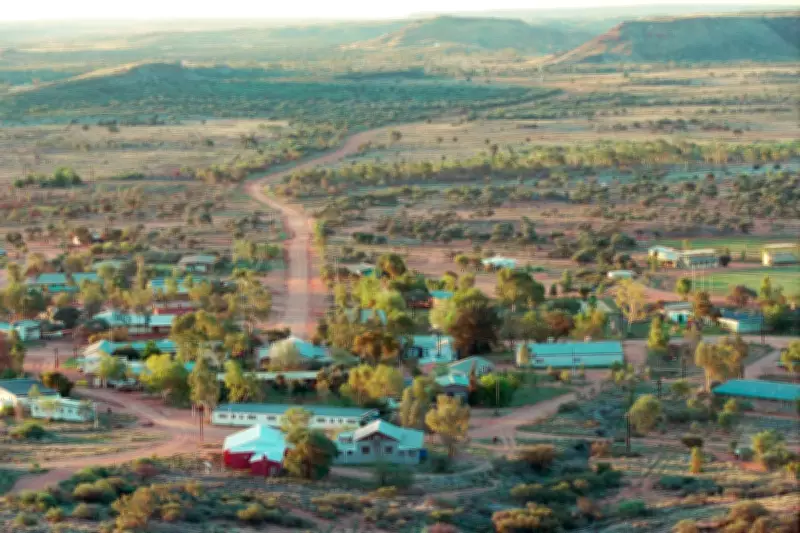
Food and fuel prices in the remote Indigenous community of Ltyentye Apurte, also known as Santa Teresa, have surged dramatically in recent weeks. This increase is placing immense pressure on residents who already face high costs for essential goods and services.
A Family's Struggle with Rising Costs
Annalisa Young, a resident of Ltyentye Apurte, has seen her weekly shopping bill escalate from approximately $600 to between $700 and $800. This community, located about 85 kilometres south-east of Alice Springs in the Northern Territory, is home to around 600 people. Young's situation highlights the broader challenges faced by remote areas across Australia.
"The normal shopping a few months ago was about $500 or $600 and now it's like $700-$800," Young explains. "I can't really reduce the amount of shopping that I do because they like to eat."

Her weekly routine includes an hour-long drive to the nearest supermarket, a journey that has become increasingly costly. The price of diesel has reached $3.80 per litre, meaning the $40 she previously spent on fuel no longer covers much distance. Overall, her combined expenses for shopping and transportation have risen by nearly 50%.
Cascading Impacts on Community Life
Ellie Kamara, chief executive of the Atyenhenge Atherre Aboriginal Corporation in Ltyentye Apurte, describes how higher fuel prices create a ripple effect throughout the community. It affects not only grocery shopping but also critical activities such as medical appointments, school holiday programs, and attendance at funerals and Sorry Business ceremonies.
"You can't stop the school holiday programs for the kids to take them in to do cool things in town," Kamara says. "So it's just a knock-on effect for everything for people who are already struggling. It's really tough."
She notes that fuel vouchers provided for funerals, typically worth $60, are now insufficient due to the price surge, yet the community cannot afford to increase them.
Broader Regional Challenges
The crisis extends beyond Ltyentye Apurte. In Aurukun, located in Queensland's Cape York region over 900 kilometres north-west of Cairns, residents face similarly high costs. Llyle Kawangka, chair of the Ngan Aak-Kunch Aboriginal Corporation, emphasises that living expenses are "extraordinarily high" in these remote areas.
"There is no capacity for families to shop around, and supply chains are complex and costly," Kawangka states. "As a result, people are paying more simply because of where they live."
Food prices in Aurukun are significantly higher than in regional and metropolitan areas, with limited and inconsistent access to fresh produce due to long-distance transport challenges.
Impact on Tourism and Local Businesses
The fuel crisis is also affecting small tourism operators in remote and regional areas. In Esperance on Western Australia's south coast, Julie and Annie Dabb, who run the family-owned Dabungool tourism and cultural tour company, report a decline in business.
"We're getting a lot less people come through our tours and even making future bookings," says Julie Dabb. "It's a lot quieter. We're usually seeing people that are coming and booking in towards Christmas time."
Even basic supplies for their tours, such as damper, tea, and coffee, are becoming more expensive, with few options to shop around in regional towns.
Global Factors Driving the Crisis
The surge in fuel prices across Australia is largely driven by global oil supply disruptions, particularly due to the US-Israel war on Iran affecting shipments through the Strait of Hormuz. This has led to increased costs for households nationwide, but remote communities are feeling the impact most acutely.
Annie Dabb reflects on the unexpected reach of the conflict: "We thought this war is way overseas and it won't affect us, but it has affected us. I am watching it all the time now."

Government Responses and Community Advocacy
Remote communities have long advocated for better access to basic goods and services. Under the federal government's remote pricing scheme, the cost of about 30 essential items—including dried goods, powdered milk, canned vegetables, sanitary items, nappies, and toiletries—is subsidised. However, this measure may not be sufficient to offset the current price spikes.
The situation underscores the ongoing challenges faced by Indigenous Australians and residents of rural and regional areas, who often bear the brunt of economic and geopolitical disruptions.