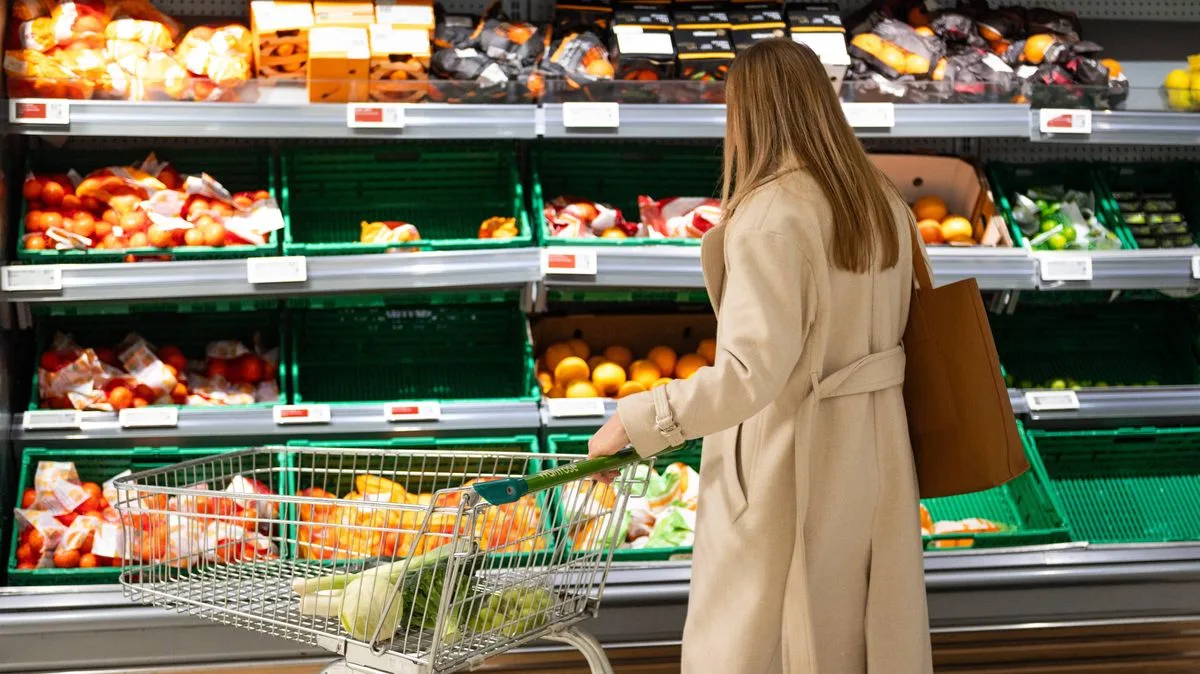
Chancellor Rachel Reeves is set to announce a cost of living package on Thursday, including tariff cuts on over 100 food staples such as baked beans, crisps, margarine, tomato ketchup, marmalade, and biscuits. The tariffs, imposed on imported goods, will be reduced until 2028, with savings dependent on businesses passing them on to shoppers.
Other measures include free bus travel for school children in England throughout August, a fuel duty freeze until the end of the year (scrapping a planned September hike), and a 12-month road tax holiday for hauliers, reducing renewal to £1 and saving up to £912 for the largest lorries. The package is designed to shield households from rising costs linked to the Iran war.
Reeves stated: 'My number one priority is protecting households from rising costs. This summer I want every family to be able to enjoy themselves, that’s why we’re launching the Great British Summer Savings Scheme, and why we’re helping kids with free bus travel throughout August.' She added that the economic plan would 'build a stronger and more secure Britain'.
Prime Minister Keir Starmer, writing in the Mirror, said the government would 'tear down the status quo' to protect working people from global crises, contrasting with 'Tories [who] always made working people pay'. The package comes as inflation fell to 2.8% in April, the lowest since March 2025, but is expected to rise due to the Middle East conflict, with energy bills predicted to reach £1,850 a year from July.
Chancellor Reeves is expected to target energy bill support for low-income households but will wait until September to finalise the package, avoiding a 'Liz Truss-style universal bailout' that could increase borrowing costs and inflation. Meanwhile, she faced a heckler at a Leeds petrol station who shouted support for Nigel Farage; she replied: 'I love our country.'