

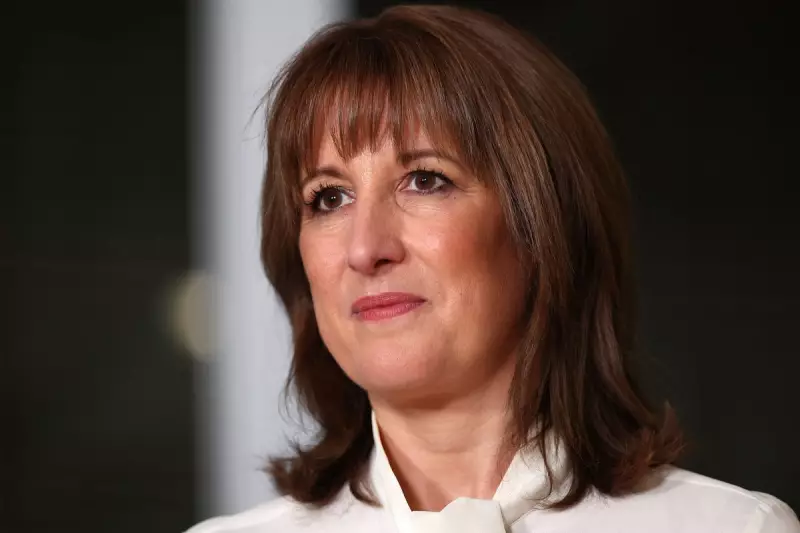
Chancellor's Tax Promise to Pensioners
Chancellor Rachel Reeves has made a firm commitment that individuals receiving only the state pension will not be required to pay income tax during this parliamentary term, despite growing concerns about the impact of frozen tax thresholds.
The Treasury chief explicitly stated that her department would not pursue "tiny amounts of money" from state pensioners, offering reassurance to millions of older citizens worried about potential tax liabilities following last week's Budget announcement.
The Threshold Crossing Point
For the first time since its introduction, the new state pension is projected to exceed the personal tax allowance in the 2027/28 tax year due to the triple-lock mechanism. This policy guarantees annual increases matching the highest of inflation, average earnings growth, or 2.5 percent.

Currently, the full state pension of £230.25 per week remains comfortably below the £12,570 personal allowance, meaning most pensioners with no additional income haven't faced tax bills. However, the combination of rising pensions and frozen thresholds created what money expert Martin Lewis described as a "fiscal drag" concern.
Budget Context and Wider Implications
The chancellor's pledge comes against the backdrop of a controversial Budget decision to freeze income tax thresholds until the 2030-2031 tax year. This measure is expected to generate £7.6 billion in additional revenue by 2030 while pulling millions more taxpayers into higher tax brackets as inflation pushes up their earnings.
During an interview with Martin Lewis, Reeves was directly questioned about whether pensioners would need to complete tax returns. "If you just have a state pension, you don't have any other pension, we are not going to make you fill in a tax return," she confirmed. "I make that commitment for this parliament."
The chancellor acknowledged that 2027 represents the anticipated crossover point and revealed that Treasury officials are "working on a solution as we speak" to prevent the collection of minimal tax amounts from pensioners.
When pressed about long-term guarantees beyond the current parliament, Reeves declined to make commitments but emphasized ongoing efforts to develop a "simple workaround" for the issue.
Broader Budget Measures
This pension tax assurance forms part of a wider £26 billion tax package that the Chancellor has staked her political future upon. The Budget also featured several significant policy changes including:
- Abolition of the two-child benefit cap, expected to lift 450,000 children out of poverty
- Introduction of a pay-per-mile tax for electric vehicles
- Increased taxes on online betting platforms
- A new "mansion tax" on properties valued over £2 million
The Resolution Foundation think tank has warned that the threshold freeze will disproportionately affect lower earners. Their analysis indicates that by 2030-31, people earning less than £35,000 annually will pay more tax than if the basic rate had been increased by one penny.
The government continues to face criticism regarding election promises about not raising taxes on working people, particularly given the decision to maintain frozen thresholds and extend national insurance to some pension contributions.






