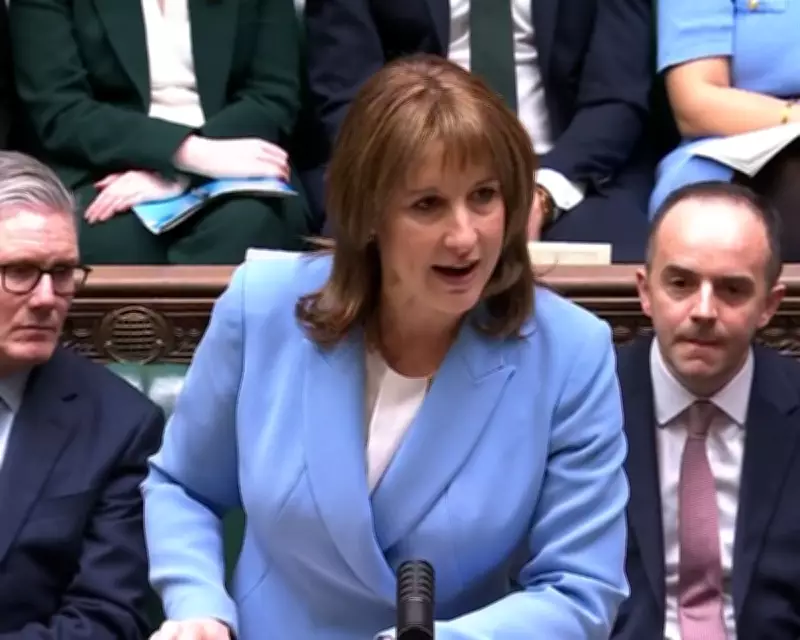
Chancellor Rachel Reeves aimed to project confidence and claim credit for steering the UK toward a more stable economic footing. However, her assertions of restored stability may be premature, given the escalating turmoil in the Middle East and persistent domestic challenges.
Reeves' Bold Declaration Amid Global Uncertainty
In a statement to the House of Commons on Tuesday, Rachel Reeves declared, "This government has restored economic stability." This proclamation came shortly after MPs were briefed by Foreign Secretary Yvette Cooper on plans to evacuate British nationals from the intensifying conflict in the Middle East, highlighting the precarious global context.
Reeves emphasized the importance of navigating uncertainty, stating, "With unfolding conflict in Iran and the Middle East, it is incumbent on me and on this government to chart a course through that uncertainty to secure our economy against shocks and protect families from the turbulence that we see beyond our borders."

Economic Forecasts and Market Realities
The Office for Budget Responsibility (OBR) provided some positive indicators in its spring forecast, with expectations of lower inflation and public borrowing compared to the November budget. Additionally, utility bills are set to decrease in April due to government interventions, such as shifting net zero subsidies into general taxation.
Yet, these gains are fragile. As oil prices climb and financial markets drive up government borrowing costs, the OBR's forecasts risk becoming outdated quickly. Lower gilt yields, which previously improved public finance projections, could be eroded if recent market trends persist.
Potential Pitfalls Ahead
Several factors threaten to undermine Reeves' message of stability. Prolonged conflict in the Middle East could sustain high energy prices, fueling inflation and living costs. Former Chancellor Jeremy Hunt warned that promises to reduce utility bills might "ring hollow" if energy costs surge again.
Migration policies also pose a risk. The OBR has downgraded growth forecasts due to weaker-than-expected net migration, and Labour's stricter migration measures could further slow economic expansion. Moreover, the OBR anticipates a significant rise in unemployment, potentially reaching levels seen during the Covid pandemic, with public awareness of joblessness overshadowing improvements in inflation or interest rates.
Public Perception and Political Implications
Polling by Luke Tryl of More in Common reveals that voters are more attuned to increasing unemployment, particularly among first-time workers, than to declines in inflation or interest rates. This disconnect could challenge Labour's narrative of having tackled the cost of living crisis, even if external factors drive renewed inflation.
Reeves' attempt to project calm might have resonated more strongly a week earlier, but ongoing geopolitical tensions and economic vulnerabilities cast doubt on her stability claims. If conflicts persist, her assurances may quickly prove misplaced, leaving the UK economy exposed to further shocks.