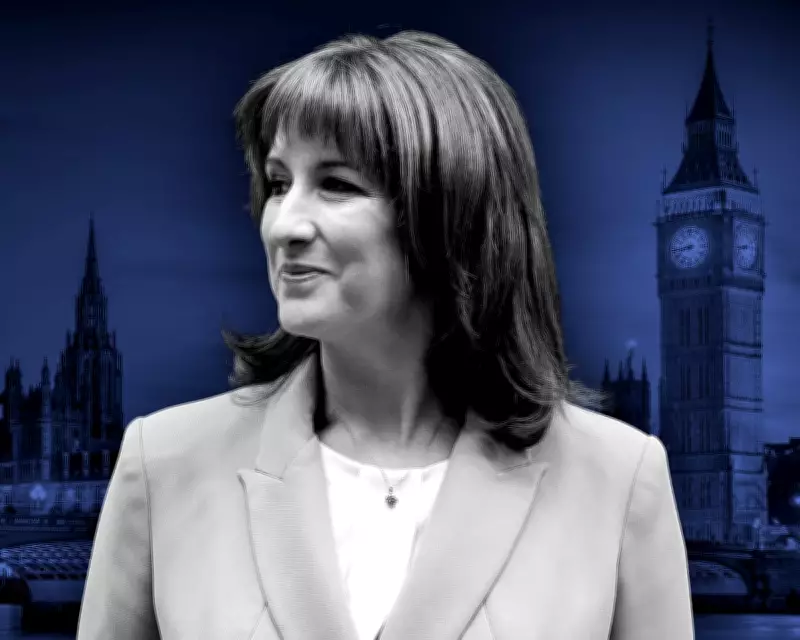
Rachel Reeves Presents Spring Forecast Amid Economic Uncertainty
Chancellor Rachel Reeves has left Downing Street to unveil her spring forecast on 3 March 2026, insisting that Labour possesses the right economic plan for a world growing increasingly uncertain. However, her claims that the UK economy can surpass forecasts have sparked intense debate among analysts and political commentators.
Criticism of Policy Direction and Forecast Reliance
Diane Abbott, the Labour MP for Hackney North and Stoke Newington since 1987, argues that while it is unfair to blame all economic woes on Reeves, her policies show little promise for significant improvement. The spring forecast, according to Abbott, offered no substantial government initiatives to bolster the economy, with the chancellor opting for caution after previous austerity measures backfired.
Abbott highlights the reliance on Office for Budget Responsibility projections, which predict marginal GDP per head increases in coming years. She criticizes this approach as out of touch, noting that real improvements should be felt through higher wages, better public services, and reduced living costs, not just optimistic forecasts.

Call for Public Investment Over Private Sector Focus
The chancellor appears trapped in a similar dilemma as her Conservative predecessors, overly dependent on the private sector to drive growth. Promising deregulation to stimulate animal spirits echoes failed Thatcherite strategies, rather than addressing core issues like housing shortages and inadequate infrastructure.
Abbott advocates for a significant boost in public sector investment, which could kickstart recovery, tackle critical problems, and be affordable at current real interest rates. Instead, Reeves and the prime minister seem captivated by the private sector, except for a notable increase in military spending—touted as the largest rise since the Cold War—which Abbott deems wasteful and counterproductive in uncertain times.
Mariana Mazzucato on Green Industrial Policy and Investment
Mariana Mazzucato, a professor in economics of innovation and public value at University College London, agrees that stability is crucial but argues economic strategy must be bold and transformative. She points to recent oil and gas price shocks, which risk delaying inflation progress, underscoring the need for clean energy to enhance long-term security.
Mazzucato emphasizes Britain's chronic underinvestment, with business investment ranking low in the G7 and OECD. Public investment has averaged only 2.6% of GDP over 25 years, below the G7 average of 3.5%, hindered by austerity and rigid fiscal rules.
She calls for an active, entrepreneurial state that sets clear missions and invests in productive capacity. While the Treasury's shift to public sector net financial liabilities is a step forward, Mazzucato recommends adopting public sector net wealth metrics to account for long-term returns. She also urges leveraging institutions like the National Wealth Fund more effectively, noting its £28 billion capitalisation is dwarfed by Germany's €500 billion infrastructure fund.
Conclusion: A Need for Ambitious Economic Transformation
Reeves' call for an active and strategic state to build growth and security is met with agreement from critics, but they stress that investment tools must match this ambition. A robust green industrial policy could shield the economy from geopolitical conflicts and break the cycle of underinvestment, yet current approaches fall short of delivering such transformative change.