
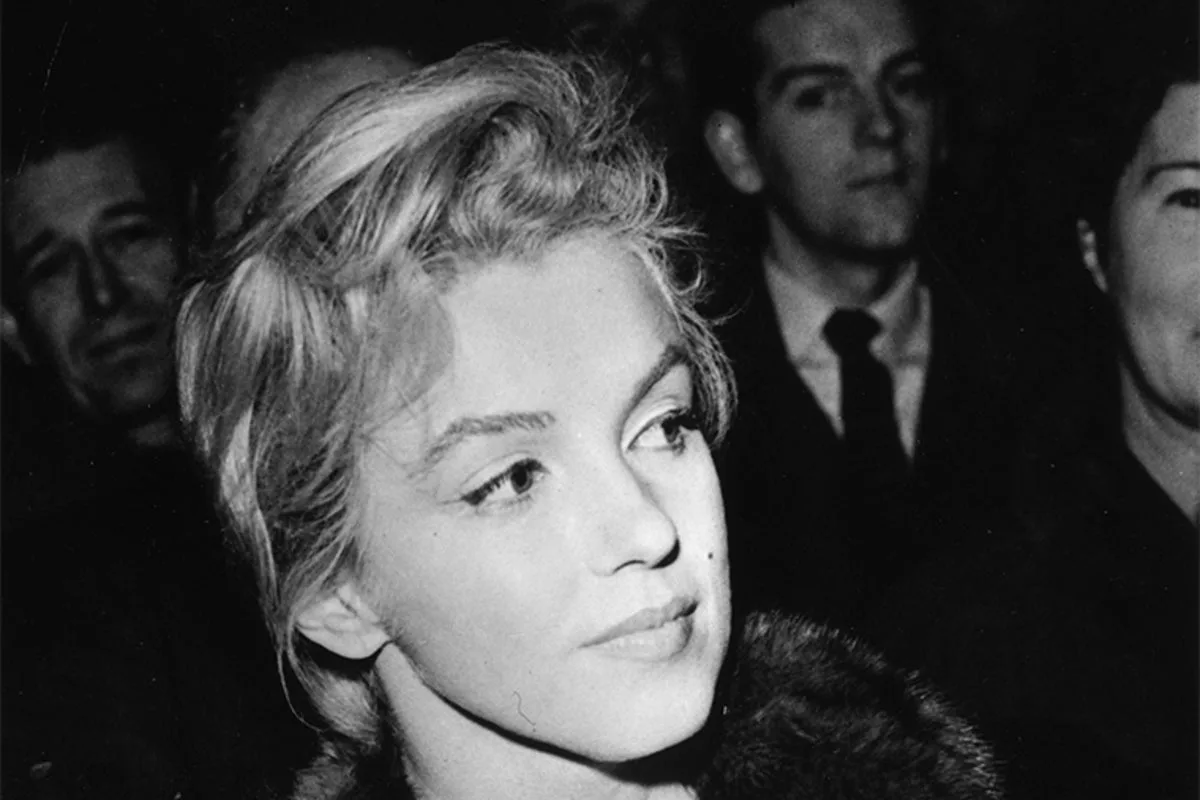
Next month marks 100 years since the birth of Marilyn Monroe, celebrated with a major exhibition at the National Portrait Gallery, a BFI film season, and several new books, including I Wanna Be Loved By You – Marilyn Monroe, A Life in 100 Takes. One often-overlooked aspect of her life is her support for mental health, now honoured with the launch of the Marilyn Monroe Mental Health for the Arts Program at Mount Sinai Hospital in New York, funded by a $100,000 donation from Lori Hall.
Monroe’s interest in mental health was deeply personal. Her maternal grandfather, Otis, died in an institution at 43 from general paresis caused by syphilis. Her grandmother, Della, suffered from manic-depressive psychosis and attempted to smother baby Marilyn, leading to her committal and death in a state hospital. Monroe’s mother, Gladys, was diagnosed with schizophrenia and placed Marilyn in foster care 12 days after birth.
Marilyn feared she had inherited mental illness, saying, “For a long time I was scared I’d find out that I was like my mother and end up in the crazy house.” At age eight, she was sexually abused by a boarder in her foster home. Experts later linked this trauma to her emotional difficulties, describing her as “a child in a woman’s body” playing the seductress to cope.
The abuse contributed to Monroe’s dependence on drugs, initially for endometriosis but later for psychological relief. Her psychoanalyst, Dr Ralph Greenson, wrote after her death that sleeping pills were “her way of escaping the miseries of life”, adding, “Marilyn was a bottomless well: one could not fill her, with all the deep, deep holes her lack of family had left her with.”
Monroe first underwent psychoanalysis in 1951 and was encouraged by her acting coach. In her last interview, she reflected on fame: “It’s like caviar… a little bit of it is delicious, but if you have it every damn day, it’s too much.” The new program aims to support performing artists facing similar mental health challenges.




