
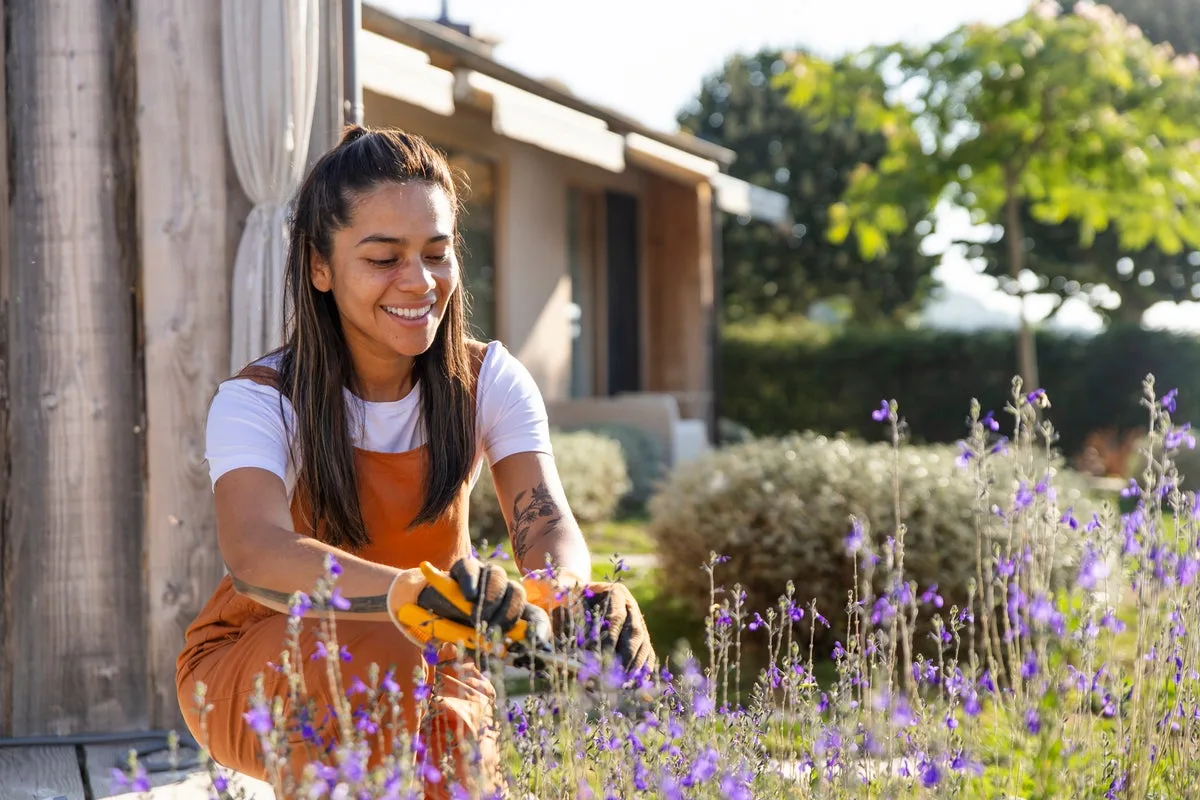
The weekend has become a battleground for time, and for many, the garden now feels like another chore. But a growing movement known as “slow gardening” is challenging that pressure, encouraging people to create outdoor spaces that demand less constant attention. Garden designer Rachel Birtwhistle argues that the most desirable gardens are increasingly those designed to be lived in, not endlessly worked on.
Slow gardening is not about neglect but about working with nature rather than against it. Choosing plants suited to local soil, light and climate means less watering, feeding and intervention over the long term. As Birtwhistle notes, plants such as lavender often struggle in a wet British winter, so selecting the right species for the right conditions is key to a resilient, easy-care garden.
The most relaxed-looking gardens, she says, are often the best planned. Evergreen shrubs, ornamental grasses and small trees give structure all year round, while dense planting with perennials and ground cover suppresses weeds and helps the soil hold moisture. Over time, this reduces the need for watering, weeding and regular border maintenance.
There is also a wider acceptance that a garden does not need to look pristine to be beautiful. Seed heads, fading grasses and winter stems add atmosphere and support wildlife, providing food and shelter for birds and pollinators. What once seemed untidy is now part of a more natural, wildlife-friendly approach.
Slow gardening is not anti-technology. Robotic mowers such as the Honda Miimo have become a useful ally, quietly taking over repetitive mowing while promoting healthier lawns through frequent light trimming. The result, Birtwhistle suggests, is that the lawn stops being a task on the to-do list and becomes somewhere to relax, read and enjoy the outdoors long into the evening.




