Chancellor Rachel Reeves Delivers Spring Statement Amid Global Uncertainty
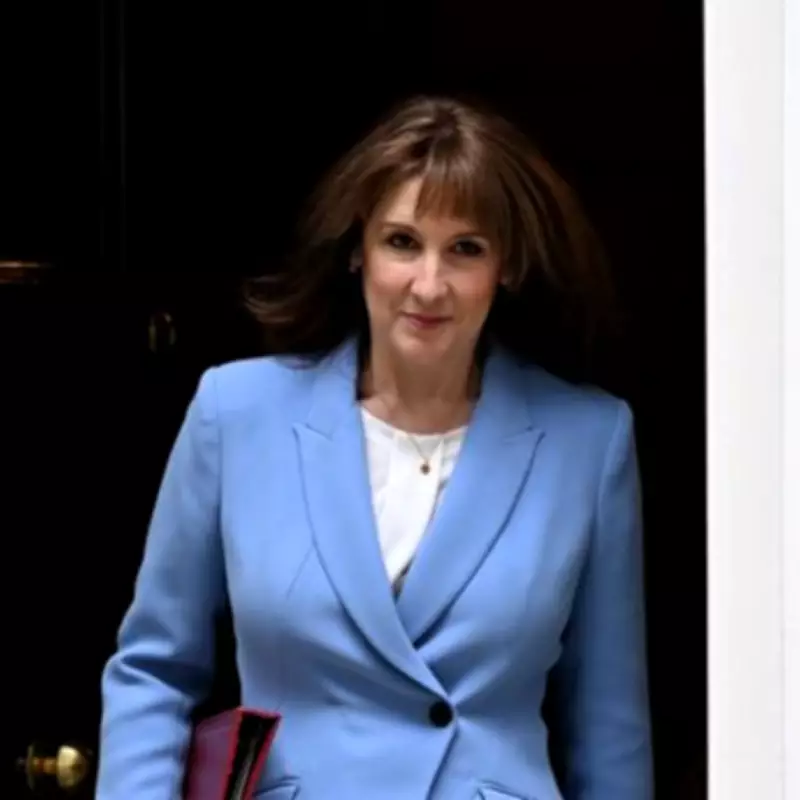
Chancellor Rachel Reeves has pledged to protect British families from economic turbulence in a pared-back Spring Statement address to Parliament, delivered against the backdrop of escalating conflict in the Middle East. Ms Reeves insisted her government's economic strategy is delivering for working people, despite warnings that the Iran crisis could severely disrupt forecasts and hammer household finances.
Economic Green Shoots Amid Global Threats
In her address to MPs, the Chancellor pointed to positive economic indicators including inflation falling faster than anticipated and upgraded growth predictions for 2027 and 2028. She asserted that households would be approximately £1,000 better off annually by the next general election, thanks to increased disposable income resulting from government policies.
"This Government has the right economic plan for our country," Ms Reeves declared. "A plan that is even more important in a world that in the last few days has become yet more uncertain."

The Chancellor emphasized her commitment to navigating through global instability, stating: "With the unfolding conflict in Iran and the Middle East, it is incumbent on me and on this Government to chart a course through that uncertainty, to secure our economy against shocks and protect families from the turbulence that we see beyond our borders."
Iran Conflict Threatens Economic Stability
However, the escalating situation in the Middle East presents significant risks to the UK economy. The conflict has already triggered sharp increases in oil and gas prices, with Iran's threats to the crucial Strait of Hormuz shipping route sending energy costs soaring.
According to analysis from the Resolution Foundation think tank, sustained high energy prices could add over £500 to typical household energy bills this summer and approximately one percentage point to inflation rates. This would represent another substantial cost of living shock for families already grappling with economic pressures.
The Office for Budget Responsibility (OBR) warned that the Middle East crisis could have a "very significant" impact on the UK economy, particularly on energy markets. The watchdog's forecasts were finalized before recent dramatic events in the region, including US-Israeli strikes that killed Iran's Ayatollah Ali Khamenei.
Revised Economic Forecasts and Employment Concerns
The OBR has revised its UK growth prediction for this year downward to 1.1%, from the 1.4% forecast in November. However, it has upgraded growth forecasts for 2027 and 2028 from 1.5% to 1.6%.
Concerning employment, the OBR predicts the UK's unemployment rate will peak at 5.3% this year, which is "meaningfully" higher than previously anticipated. The watchdog expects elevated unemployment to persist for the next two years due to "subdued hiring demand" for new workers.
Professor David Miles, a member of the OBR's budget responsibility committee, highlighted the "very substantial" increase in oil and wholesale gas prices following the escalating conflict. He warned that energy-driven inflation is "unambiguously bad for everyone in the UK" and could add as much as 1% to the inflation rate.
Government Response and Fiscal Outlook
Chancellor Reeves is scheduled to meet with North Sea industry leaders to discuss the impact of soaring gas and oil prices. The government is expected to announce reforms in coming weeks focused on assisting young people in the job market.
The OBR forecasts a reduction in government borrowing as a share of the economy, with spending remaining broadly flat but tax revenue reaching record highs by 2030. However, committee member Tom Josephs cautioned that UK debt levels are approximately three times higher than before the 2008 financial crisis, making public finances "more vulnerable to risks and shocks."
Helen Miller, head of the Institute for Fiscal Studies, noted that while the OBR's borrowing forecast improved slightly due to strong tax receipts, "ongoing events in the Middle East, and the sharp market movements they have induced, have already upended some of the assumptions underpinning this forecast."

Despite these challenges, Chancellor Reeves remained resolute in her commitment to improving household finances, stating: "I know that the question people will ask themselves at the next general election is this: 'Are me and my family better off?' I am determined that the answer will be yes."