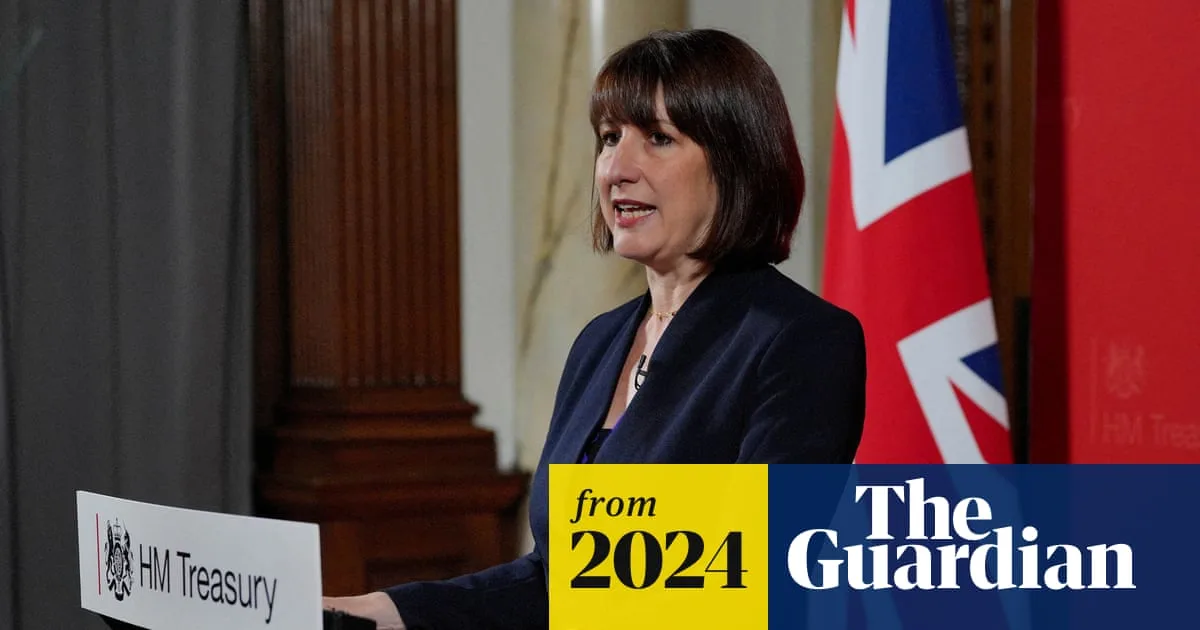
Chancellor Rachel Reeves is expected to reveal a £20bn shortfall in government spending for essential public services on Monday, paving the way for potential tax rises in the autumn budget. Labour sources blame the previous Conservative government, describing the situation as a 'shocking inheritance' and accusing former chancellor Jeremy Hunt of 'presiding over a black hole and still campaigning for tax cuts'.
The Treasury audit, which Reeves will present to the Commons, is expected to highlight unsustainable spending plans that would require substantial cuts to public services. Concerns have been raised over spending on the asylum system, welfare, defence, and prisons, with the final figure potentially shifting as officials examine departmental commitments.
Economists predict Reeves will use the review to 'kitchen sink' bad news, excoriating the previous government's record. Options for tax changes in the autumn budget include capital gains or inheritance taxes and slashing other reliefs, though Reeves has ruled out changes to income tax, VAT, national insurance, and corporation tax. Prime Minister Keir Starmer has described the public finances as being 'in the worst place since the second world war'.
Reeves is also expected to accept public sector pay recommendations, which are about 3% higher than current spending plans, to avoid provoking industrial action. The former chancellor Jeremy Hunt reportedly believed pay demands would have consumed the Conservative government's fiscal headroom, contributing to the decision to call an early election.
Economist Michael Saunders, a former Bank of England official, suggested the review could justify tax hikes of £10bn-£25bn. Labour sources say the true scale of the damage will be revealed on Monday, with Reeves framing the audit as the first stage of a process to be followed by the October budget and the Office for Budget Responsibility's assessment.