

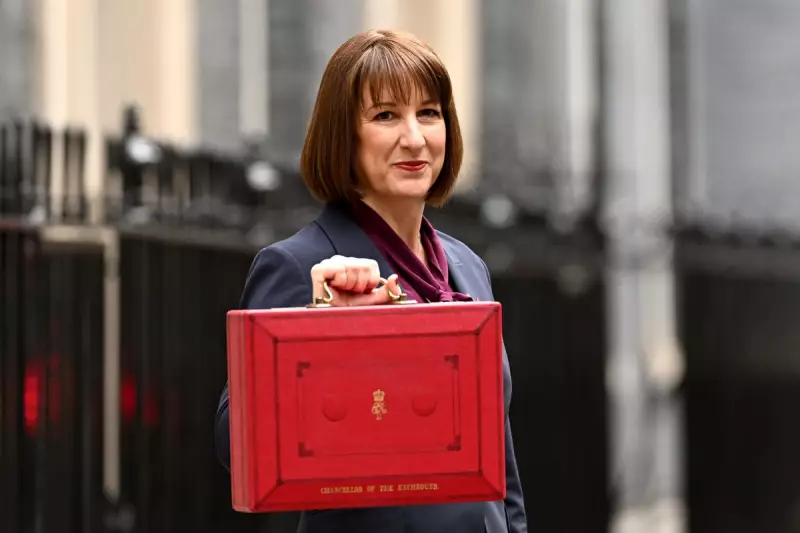
Chancellor Rachel Reeves has robustly defended her Autumn Budget, characterising its £26 billion in tax increases as a 'fair and necessary' measure aimed squarely at the wealthy to safeguard public services and stimulate economic growth.
A Budget of 'Hard Choices'
Presenting her fiscal plan on Saturday 29 November 2025, Ms Reeves insisted she was faced with making 'hard choices' due to a deficit. This assertion came despite the independent Office for Budget Responsibility (OBR) having reportedly informed her of a surplus, leading to accusations from opponents that she misled the public.
She staunchly justified the implementation of 43 separate taxes and the controversial freezing of income tax thresholds by stating an unwavering refusal to cut public services. The Chancellor argued that this approach aligned with the perceived will of the electorate, who she believes voted against such cuts.

Political Fallout and Defence
The Budget immediately sparked a fierce political backlash. While Downing Street moved quickly to defend Ms Reeves, Conservative leader Kemi Badenoch went on the offensive, demanding the Chancellor's sacking.
Adding weight to the criticism, Paul Johnson, the former head of the respected Institute for Fiscal Studies, suggested that the Chancellor's pre-Budget statements were misleading, further fuelling the controversy.
Where the Burden Falls
Central to the Chancellor's defence is the claim that the economic burden has been placed strategically. She argued that the weight of the Budget falls on those with 'big incomes and assets', explicitly stating that it is not being shouldered by working-age people over pensioners.
This positioning is intended to frame the £26bn fiscal move as a progressive measure, even as it faces intense scrutiny from both political rivals and independent financial experts.






