Chancellor Rachel Reeves Confronts Fuel Bosses Over Pump Price Profiteering
Reeves Confronts Fuel Bosses Over Pump Price Profiteering

Chancellor Rachel Reeves Confronts Fuel Bosses Over Pump Price Profiteering

Chancellor Rachel Reeves is set to order fuel industry leaders to ensure drivers receive a fair price at the pumps during a high-stakes summit today. The Chancellor will deliver a stern warning to petrol retailers and energy suppliers, declaring she will 'not tolerate' any profiteering linked to the ongoing Middle East crisis. This intervention comes as fuel prices continue to escalate sharply, driven by geopolitical tensions following Iran's new leader vowing to maintain a blockade of the Strait of Hormuz, a critical global oil transit route.

CMA Crackdown and Government Demands

In a proactive move, Ms Reeves has formally written to the Competition and Markets Authority (CMA), demanding an immediate crackdown on what she describes as rip-off prices for petrol, diesel, and heating oil. The Chancellor emphasised her commitment to backing drivers and families, stating, 'I will not tolerate any company exploiting the current situation to make excess profits at consumers' expense. I'm backing drivers and families — and I expect a fair deal at the pump.'

Today's summit will see Ms Reeves and Energy Secretary Ed Miliband directly questioning fuel executives on their strategies to keep prices affordable for consumers. Key points of discussion will include the significant price variations observed this week, ranging from £1.27 to £1.80 per litre, and the speed at which lower wholesale costs are passed on to customers when market conditions improve.

Fuel Finder Initiative and Regulatory Scrutiny

Ministers are also pressing all petrol retailers to sign up for the 'Fuel Finder' website, a tool designed to help drivers locate the cheapest nearby forecourts. While all major supermarkets have already committed, and over 90 percent of retailers have registered, the government insists on full participation. Mr Miliband reinforced this, saying, 'Tackling the cost of living is our number one priority - all fuel retailers must sign up for Fuel Finder so drivers can find the cheapest price at the pump. We will not hesitate to act to protect consumers against any unfair practices.'

In response to the Chancellor's intervention, the CMA has placed fuel retailers 'on notice', confirming it is actively monitoring petrol and diesel prices. The watchdog announced it will accelerate its review by bringing forward formal requirements for businesses to supply detailed revenue, costs, and sales data. This scrutiny aims to assess fuel margins since the conflict began, examining how quickly prices adjust to wholesale cost changes and identifying any evidence of excessive pricing.

Industry Response and Price Surge Analysis

Juliette Enser, the CMA's executive director for markets, commented, 'Whilst price increases might be inevitable because of rising wholesale costs, it is important that those increases reflect genuine cost pressures. We will be closely scrutinising and reporting on what's happening with fuel prices and call out any concerning behaviour.' The CMA acknowledged that rising energy costs could impact prices but stressed that fuel stations 'should not exploit the situation', with findings to be published promptly.

Recent data from the RAC highlights the severity of the price surge. Since February 28, diesel prices have risen by nearly nine percent, while petrol prices have increased by an average of six percent. RAC head of policy Simon Williams noted, 'Drivers tell us the cost of motoring is a major concern, and fuel is a huge contributor to that, so making sure they're paying a fair price at the pumps is essential. For that reason, we welcome the competition watchdog's scrutiny of what's happening on forecourts across the country.'

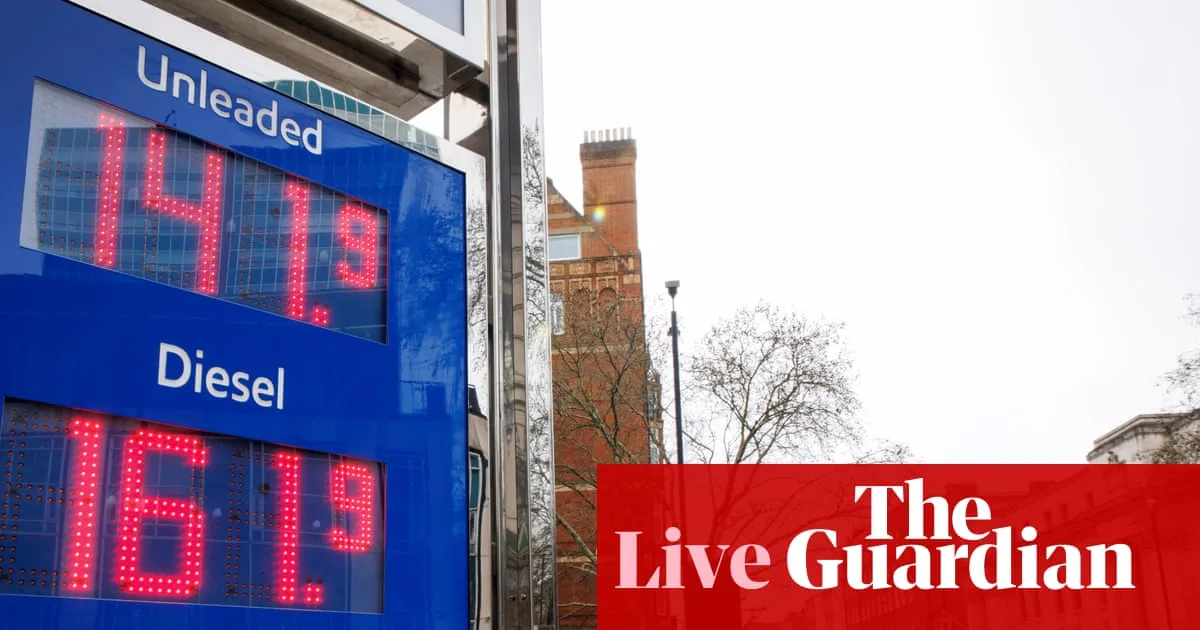
According to RAC fuel watch data, average prices have skyrocketed in under two weeks, with petrol rising by 7p to 140p per litre and diesel by 16p to 158p. This surge adds approximately £4 to the cost of filling a family car with petrol and £8 for diesel, intensifying financial pressures on households amid broader cost-of-living challenges.

Political Pressure and Future Reviews

The Chancellor faces mounting political pressure to cancel a planned fuel duty rise scheduled for September. Prime Minister Sir Keir Starmer has indicated that the decision will be kept 'under review', reflecting the government's cautious approach to fiscal policy in light of economic uncertainties. This backdrop underscores the urgency of today's summit, as the government seeks to balance consumer protection with economic stability while addressing immediate concerns over fuel affordability and market fairness.