Putin Acknowledges Russian Economic Struggles Amid Trump's Sanctions Relief
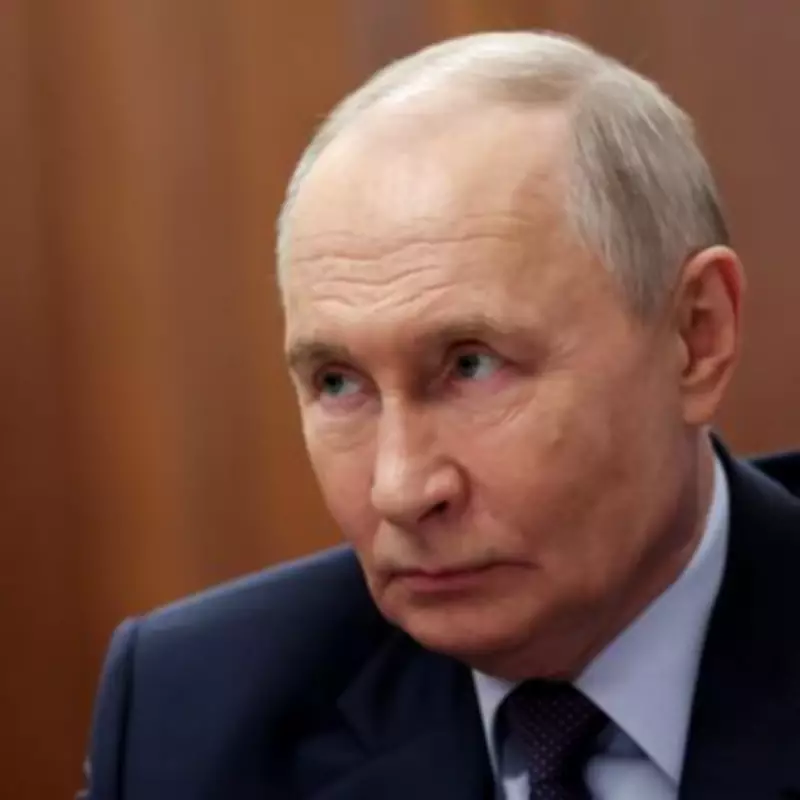
Russian President Vladimir Putin has openly admitted that the nation's economy is performing below expectations, expressing frustration during a televised meeting with top officials. The Russian leader highlighted a concerning economic trajectory, with GDP shrinking by a combined 1.8 percent over January and February.
Economic Indicators Fall Short of Forecasts
In the broadcast attended by Prime Minister Mikhail Mishustin and other senior figures, Putin demanded detailed reports on why macroeconomic indicators are lagging. "I expect to hear detailed reports today on the current economic situation and why the trajectory of macroeconomic indicators is currently below expectations," Putin stated. "Moreover, below the expectations of not only experts and analysts, but also the forecasts of the government itself and the central bank of Russia."
High inflation, driven by Russia's ongoing conflict in Ukraine, has significantly slowed economic growth. Despite Western sanctions following the full-scale invasion, Russia's GDP expanded by 4.1 percent in 2023 and 4.9 percent the following year. However, strategic Ukrainian attacks on Russian energy infrastructure have undermined potential gains from soaring oil prices due to the US-Israeli war on Iran.

Trump Administration Eases Pressure on Kremlin
In a notable development, US President Donald Trump's administration has provided some relief for Moscow. In March, Trump eased sanctions on Russian oil, and this month, the administration extended the pause on sanctioning Russian oil loaded onto tankers. This move comes as Ukraine's strikes have hindered a substantial portion of Russia's potential windfall from exports amid the crisis.
Other attendees at Putin's meeting included Kremlin deputy chief of staff Maxim Oreshkin, central bank governor Elvira Nabiullina, first deputy PM Denis Manturov, deputy PM Alexander Novak, and the CEO of state-owned Promsvyazbank.
Persistent Economic Challenges and Labor Shortages
Russia faces additional economic hurdles, including a budget deficit widening to around £43 billion, falling oil tax revenues, and a severe labor shortage exacerbated by the war, which has driven unemployment to record lows. Central bank governor Elvira Nabiullina emphasized this new reality, stating, "The peculiarity of the current situation is that for the first time in modern history, our economy has faced shortages or limits on labor. This is a new reality for the government and for business alike."
She added that past high-rate cycles were tied to temporary external shocks, but now Russia is confronting a persistent downturn affecting both exports and imports, keeping inflation and interest rates elevated despite recent slight easing by the central bank.
Warnings of Impending Financial Crisis
Putin has been warned by officials that a financial crisis could strike later this year, potentially as early as summer, according to reports from Fortune. High interest rates, while curbing inflation, have squeezed profits for Russian companies, leading to unpaid wages, reduced hours, and furloughs for workers. Russian consumers are increasingly struggling to repay loans, heightening economic instability.
One Russian official told the Washington Post in December, "A banking crisis is possible. A nonpayments crisis is possible. I don't want to think about a continuation of the war or an escalation." This underscores the precarious state of Russia's economy as it navigates internal challenges and external pressures.