Reeves' Budget Backlash: Just 11% Approve as Poll Slams 'Unfair' Package
Poll: Public Rejects Reeves' Budget as Unfair

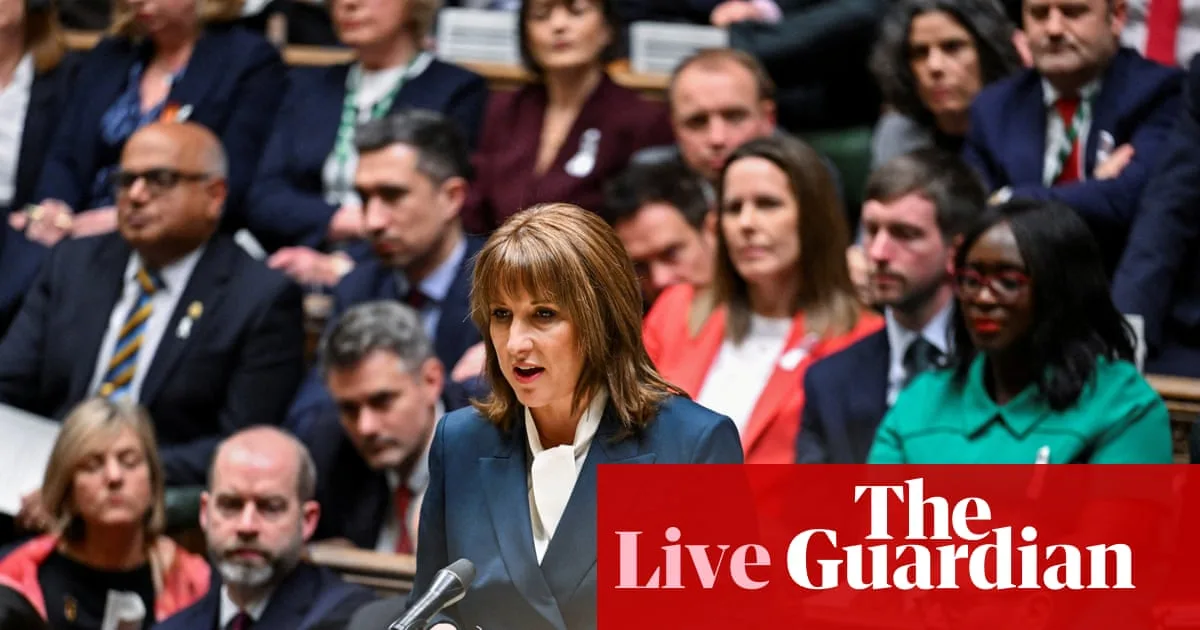
The British public has delivered a damning verdict on Chancellor Rachel Reeves's first major Budget, with a new poll revealing widespread disapproval of the package as both unfair and unaffordable.

Public Opinion in Sharp Focus

The exclusive YouGov research, conducted in the immediate aftermath of the long-awaited fiscal statement, paints a bleak picture for the Labour government. Just 11 per cent of the public believe Ms Reeves is doing a good job, while a overwhelming 59 per cent stated she is performing badly. This public rejection deals a significant blow to Labour hopes that the Chancellor and Prime Minister Keir Starmer could kick-start a political revival after a challenging first 16 months in power.

The core of the problem lies in how the Budget's measures were perceived. The poll found that only 21 per cent thought the package was fair overall, compared to 48 per cent who deemed it unfair. On affordability, the figures were similarly stark, with just 22 per cent viewing it as affordable versus 47 per cent who found it unaffordable.

Unpopular Measures Under the Microscope

Several specific policies were singled out for particular public criticism. The research highlighted deep unpopularity for key announcements:

  • Abolishing the two-child benefit cap was viewed negatively by a margin of 56 per cent to 31 per cent.
  • Extending the freeze on tax thresholds was opposed by 56 per cent, with only 26 per cent in favour.
  • Cutting the annual limit for cash ISAs from £20,000 to £12,000 emerged as the least popular measure, with a mere 16 per cent in support and 62 per cent against.
  • Slashing 'salary sacrifice' reliefs for private sector pensions was opposed by half of respondents, with just 21 per cent in favour.

The broader economic outlook from the public is pessimistic. A mere 9 per cent believed the Budget would make the country better off, while half said it would leave their own family worse off. Furthermore, two-thirds expect the UK's economic situation to deteriorate over the next year.

Political Fallout and Economic Realities

Critics have claimed the Budget was designed more to placate mutinous Labour MPs than to appeal to the public, an accusation that gains weight from these poll numbers. Despite the backlash, Ms Reeves and Sir Keir have denied breaking manifesto tax promises, insisting they have inflicted the 'minimum' pain on 'working people'.

However, the Treasury's own watchdog, the Office for Budget Responsibility (OBR), delivered a separate blow. It concluded that none of the 88 measures unveiled would make a 'material impact' on boosting GDP. The OBR also forecast that economic growth under Labour would be even lower than predicted last year.

The £30 billion fiscal raid included an eye-watering £12.7 billion from extending the tax threshold freeze for another three years. This policy is set to drag around a quarter of the working population into paying higher or top rate tax by 2030, a sharp increase from the 15 per cent affected when the freeze was first imposed in 2021. The tax burden is now due to reach a new peak as a proportion of GDP.

It wasn't all negative for the Chancellor. The poll did find strong public support for other measures, including new gambling taxes, a freeze on most rail fares, and the so-called 'mansion tax' on properties worth more than £2 million.