

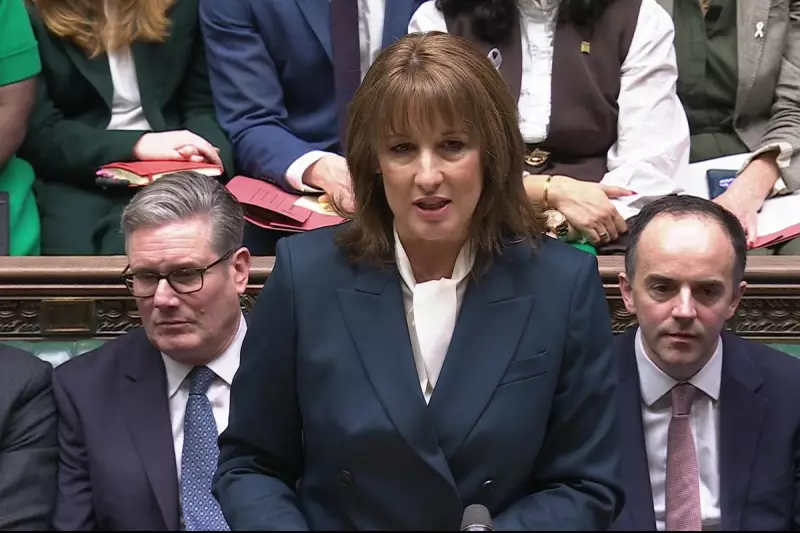
Chancellor Rachel Reeves has been dealt a fresh economic blow, with a major global forecaster warning that Labour's policies on migration are contributing to the UK's sluggish growth. The stark assessment from the Organisation for Economic Co-operation and Development (OECD) comes less than a week after Ms Reeves' controversial Budget, piling further pressure on the Treasury.
OECD Forecast Paints a Grim Picture
In its annual economic outlook report, the OECD delivered a sobering set of predictions for the British economy. It stated that growth will slow to just 1.2% in 2026, down from 1.4% in 2025, with only a marginal improvement to 1.3% expected in 2027. The report attributed this stagnation to budgetary tightening affecting household consumption and ongoing global uncertainty.
Simultaneously, the UK is set to endure the highest inflation rate among the G7 advanced economies this year at 3.5%, falling only to the second-highest position next year. The unemployment rate is forecast to climb, reaching 5% by 2027.

Migration and Productivity Identified as Key Drags
The OECD pinpointed specific domestic factors holding the economy back. It concluded that "sluggish labour productivity and weak working-age population growth, partly due to slowing inward migration, will continue to act as a drag on the economy." This direct link between Labour's anti-migration policies and economic performance represents a significant challenge to the government's strategy.
The report also noted a cooling labour market, with a 0.4% fall in payrolled employees and a nearly 14% drop in vacancies over the year to September. Businesses have previously criticised the chancellor's hike in national insurance contributions for employers, suggesting it reduces job opportunities.
Reeves Defends Budget Amid Mounting Pressure
The damning forecasts arrive at a difficult time for Ms Reeves, who has faced accusations of misleading the public over the state of the public finances to justify tax rises. The OECD added that her fiscal room for manoeuvre is limited by high government borrowing costs, suggesting a restrictive policy stance will continue.
In response to the report, the chancellor defended her recent Budget decisions. She stated, "Less than a week later, the OECD has upgraded our growth and cut its forecast for inflation next year. The choices that I made at the Budget are expected to cut inflation by 0.4 percentage points." Ms Reeves emphasised her focus on investing in infrastructure and planning reforms to deliver on the mission to increase household disposable income.
The OECD did acknowledge some positive signs, expecting a tiny growth pickup in 2027 to be "supported by business investment and exports." However, the overarching message underscores the profound economic challenges facing the new government, with international factors like lingering US trade tariffs also continuing to negatively impact UK manufacturing exports.






