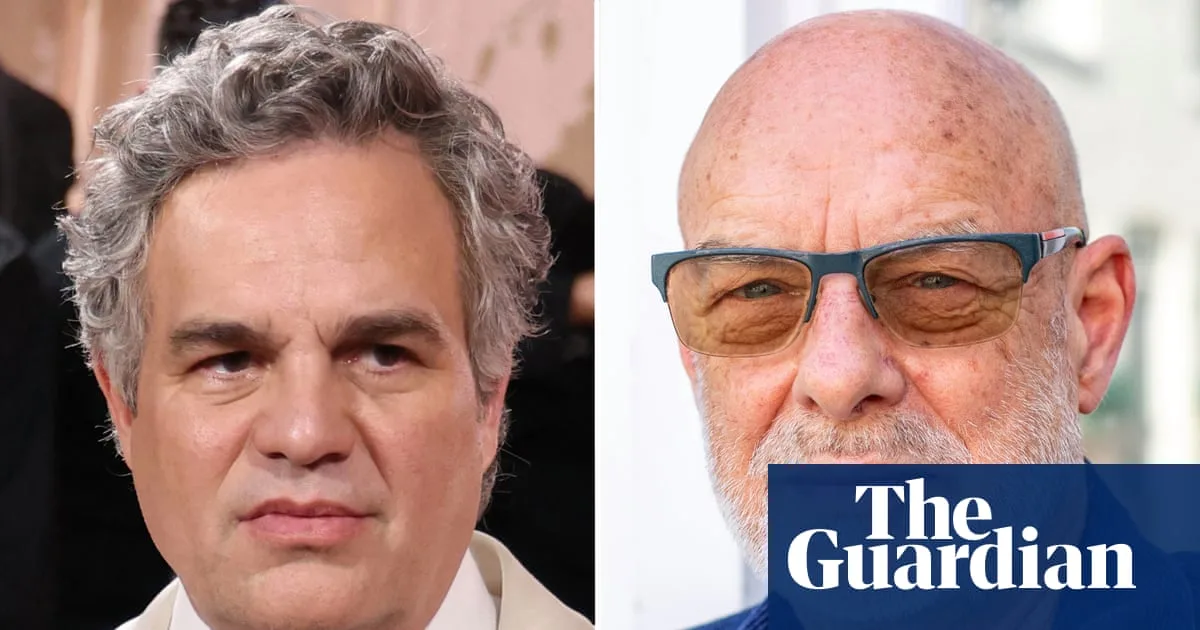
In a remarkable display of solidarity, nearly 400 millionaires and billionaires from 24 countries have issued a powerful call for higher taxes on the super-rich. The open letter, timed to coincide with the World Economic Forum in Davos, features signatures from high-profile figures including actor Mark Ruffalo, musician Brian Eno, and philanthropist Abigail Disney.
A Stark Warning from the Wealthy
The letter delivers a stark warning about the corrosive effects of extreme wealth on global society. It argues that a small group of oligarchs with vast fortunes are undermining democratic institutions, stifling media freedom, and exacerbating social exclusion. The signatories express deep concern that this concentration of wealth is accelerating environmental breakdown and deepening poverty worldwide.
"What we treasure, rich and poor alike, is being eaten away by those intent on growing the gulf between their vast power and everyone else," the letter states. "When even millionaires, like us, recognise that extreme wealth has cost everyone else everything else, there can be no doubt that society is dangerously teetering off the edge of a precipice."
Poll Reveals Millionaires' Concerns
Supporting these concerns, a comprehensive poll conducted for the Patriotic Millionaires group reveals striking statistics about wealthy individuals' attitudes toward economic inequality. The survey of 3,900 people in G20 countries with assets exceeding $1 million (excluding primary residences) found that:
- 77% of millionaires believe extremely wealthy individuals buy political influence
- More than 60% are concerned that extreme wealth threatens democracy
- Two-thirds support higher taxes on the super-rich to fund public services
- Only 17% oppose such tax increases
The poll also indicated that three-fifths of respondents believe former US President Donald Trump has negatively impacted global economic stability. This data was collected before Trump's recent tariff threats against European countries regarding Greenland acquisition discussions.
The Growing Wealth Divide
Recent research from Oxfam International highlights the alarming acceleration of wealth concentration. The development charity reported that a record number of billionaires were created last year, pushing the global total beyond 3,000 for the first time in history.
Amitabh Behar, executive director of Oxfam International, commented: "The super-rich are being given complete free rein. It is beyond comprehension that the richest 1% now own three times more than the world's total public wealth combined. Governments must implement taxes on the super-rich now and prioritise reducing inequality."
Political Influence and Wealth Concentration
The letter signatories point to specific examples of wealthy individuals exerting political influence, noting that Donald Trump assembled what Forbes described as the richest cabinet in US history after his re-election. The estimated joint worth of Trump's cabinet reached $7.5 billion (£5.6 billion) by August of last year.
The wealthy signatories argue that this concentration of economic power translates directly into political control, creating what they describe as a "stranglehold on technology and innovation" while deepening social divisions. They maintain that only through substantial tax reforms targeting the ultra-wealthy can governments begin to address these systemic imbalances.
As world leaders gather in Davos for the annual World Economic Forum, this unprecedented call from within the wealthy elite adds significant momentum to global discussions about economic justice, tax reform, and the preservation of democratic institutions against the influence of concentrated wealth.