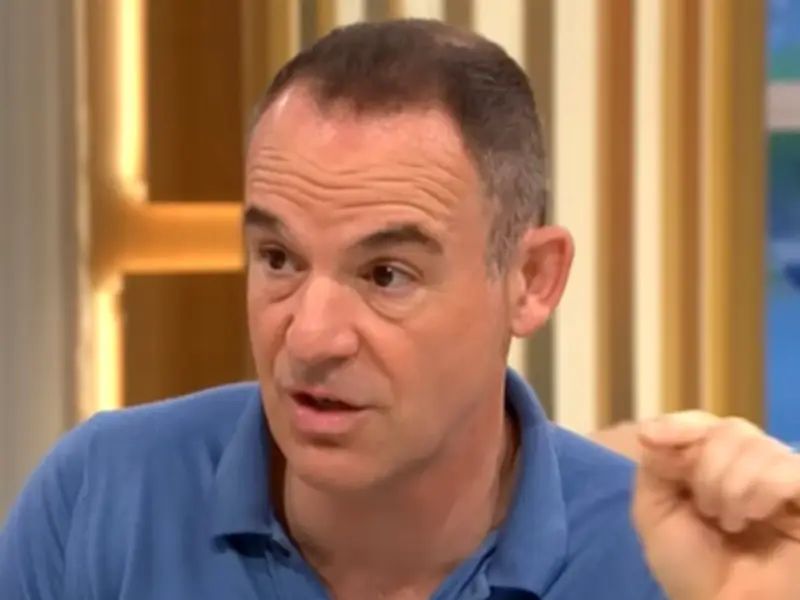
Martin Lewis has provided updated advice on state pension eligibility, focusing on National Insurance (NI) gaps and the rules surrounding voluntary contributions. The financial expert addressed the topic on his BBC podcast after a listener, Holly, asked whether she should pay to fill two missing years to reach 10 qualifying years. She is currently 36 and has worked abroad and studied, leaving gaps in her NI record.
Understanding Qualifying Years for State Pension
In the UK, a minimum of 10 qualifying NI years is required to receive any new State Pension, while 35 years are typically needed for the full amount. Qualifying years can be built through employment, NI credits (for unemployment, illness, or caring), living abroad, or reduced contributions as a married woman. Another method is paying voluntary NI contributions, which Martin Lewis discussed in detail.
Holly considered paying for two years to reach 10 qualifying years, but she expected to eventually accumulate 35 years. She asked whether it was worth paying now or a waste of money.
Martin Lewis's Advice: Two Scenarios
Lewis first recommended checking the state pension projection on gov.uk. He said: "If you are predicted to get the full state pension when you retire, then I think this is probably overkill. Once you get the full state pension, earning more NI years doesn't increase it." However, he noted an exception for cheap part-years.
He explained: "The only time I would make an exception is if you can buy these years really cheaply. A part year can cost as little as £15 or £20. Even at your age, for £50, I'd be tempted just in case something happens in future. But if you have to pay the full £950, I'd think it wasn't worth it."
Lewis highlighted risks for young people: "The state pension might become means-tested in 30-35 years. Who knows what will happen? So there are big risks in doing it now. If you're on track for the full pension, I wouldn't do it—unless you can get a year really cheaply as a safety net."
Rules for Paying Voluntary Contributions
Gaps in NI records can occur due to unemployment without benefits, self-employment with small profits, low earnings, or living abroad. The government advises checking your NI record and eligibility for credits before paying. Voluntary contributions can be made for missing years, but only for the past six tax years.
According to gov.uk: "If you have gaps in your National Insurance record, check if you're eligible for National Insurance credits before deciding to pay voluntary contributions. Contact HMRC if you think your record is wrong."
Lewis concluded that if Holly still wanted to proceed, she should take time to consider and seek official guidance. The full podcast episode remains relevant for anyone weighing NI gap payments.