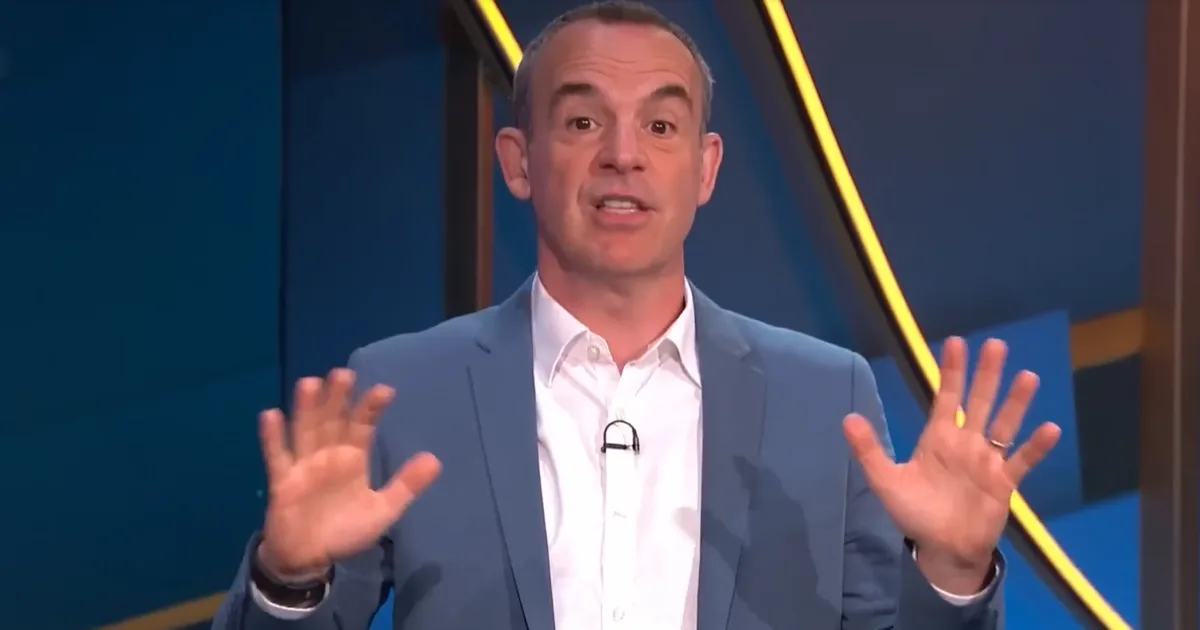
Martin Lewis has revealed that anyone earning more than £10,000 can effectively secure a 'free pay rise' by leveraging the 'super powers' of pension contributions. The personal finance expert, speaking on his ITV Money Show Live, explained that tax relief on pensions means workers pay less to the government and more towards their retirement savings.
How pension tax relief works
Lewis highlighted that pension contributions are deducted from salary before income tax is applied. This means that for a basic-rate taxpayer, putting £100 into a pension costs only £80 from their take-home pay. For higher-rate (40%) taxpayers, the cost drops to £60, and for additional-rate (45%) taxpayers, it is just £55. 'The first pension superpower is that it comes from pre-tax income, so you get more investment going in than it costs you in your pay packet,' he said.
Workplace pensions: a 'super duper power'
For employees enrolled in workplace pensions through auto-enrolment, the benefits are even greater. Lewis explained that employers must contribute a minimum of 3% on top of the employee's contribution. 'For the £100 you put in, which only cost you £80, your employer adds £60. So you get £160 worth of investment for just £80,' he said. This compares to a private pension where the same £80 would only generate £100 in investment.
Auto-enrolment applies to employees earning over £10,000 a year, aged 22 to state pension age (currently 66). The minimum total contribution is 8% of earnings up to £50,270, with the employer contributing at least 3%. Lewis urged workers not to opt out, as they would lose this 'free money'.
Advice for the self-employed
Self-employed individuals also benefit from tax relief, though the process differs. Basic-rate relief (20%) is automatic: for every £80 contributed, £20 is added by the government. Higher-rate and additional-rate taxpayers can claim extra relief through their self-assessment tax return, reducing their overall tax bill. Lewis advised the self-employed to ensure they claim this relief as it is a significant advantage.
Pensions for children and grandchildren
Lewis noted that pension contributions can be made for anyone up to age 75, even if they are not working. Grandparents can open a pension for a child or baby, contributing up to £3,600 a year (effectively £2,880 after basic-rate relief). 'When they're 60, they will still remember you because you started off that pension for them,' he said.
Key takeaways
- Employees earning over £10,000 are auto-enrolled and should not opt out to avoid losing employer contributions.
- Tax relief means pension contributions cost less than the amount invested.
- Self-employed workers get automatic 20% relief and can claim extra via self-assessment.
- Pensions can be opened for children, providing long-term benefits.