The ongoing conflict between the US, Israel, and Iran is increasingly affecting travellers. Many airlines are reducing flights and introducing fuel surcharges. EU energy commissioner Dan Jorgensen warned that high prices and low availability of aviation fuel will likely impact many people's holidays, either through cancellations or expensive tickets. Lufthansa has grounded 20,000 flights due to soaring fuel costs, but in Britain, the situation is less severe, with UK airlines reporting no fuel shortages.
How bad is the fuel shortage?
Flight cuts have been deep in parts of Asia, with steep surcharges added to fares. However, British passengers have seen limited impact so far. Airlines UK stated that carriers are operating normally and not experiencing jet fuel supply issues. A government spokesperson confirmed that UK airlines are not currently facing a shortage, as aviation fuel is typically bought in advance and airports maintain bunkered fuel stocks. Ryanair noted that while no near-term shortages are expected, the situation is fluid, with suppliers guaranteeing supply to mid-May. The Channel Islands airline Aurigny has grounded some flights and applied a £2 surcharge on new bookings, while Skybus has axed its Gatwick-Newquay link. Meanwhile, European airlines like British Airways and Virgin Atlantic are increasing flights to Asia to capitalise on reduced Gulf airline schedules.
What happens if my flight is cancelled?
Under air passenger rights rules, travellers on flights departing from the UK or EU, or on British or European airlines from anywhere, have strong rights. They are entitled to re-routing to their destination as close to the original schedule as possible, plus meals and hotels if delayed. If notified of a cancellation less than two weeks before departure, compensation of £220 to £520 may be due, though airlines may argue 'extraordinary circumstances' to avoid payout. The most precarious situation is for travellers returning to the UK from outside Europe on non-British or EU airlines, as these rules do not apply.
Could we face surcharges?
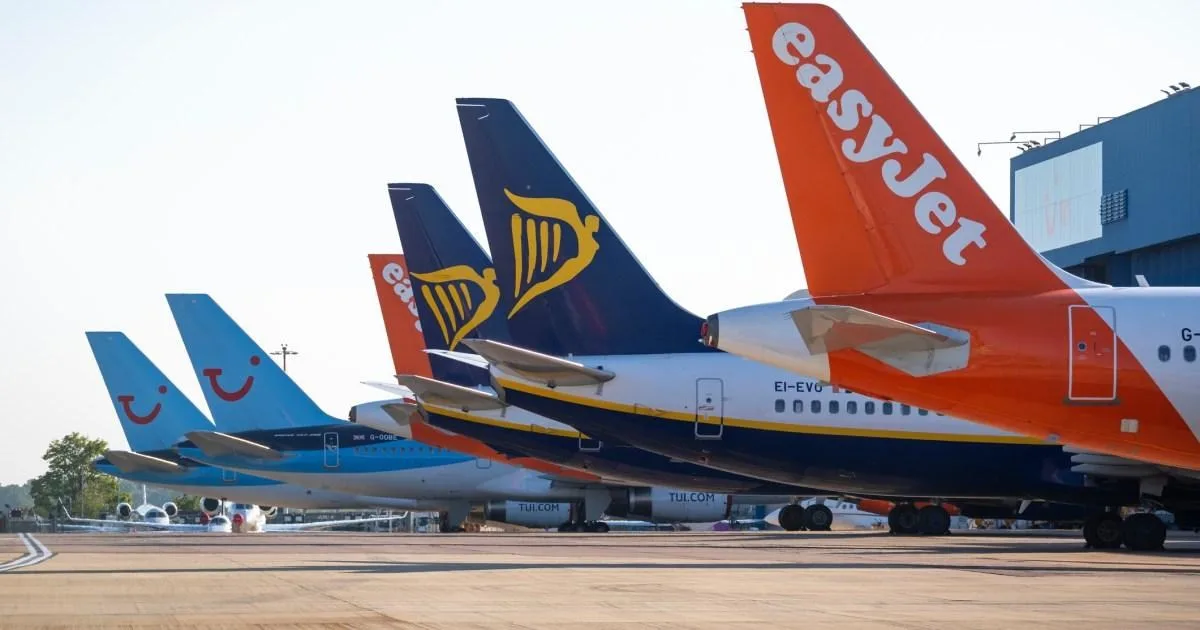
Major UK airlines—British Airways, easyJet, Jet2, Ryanair, and Virgin Atlantic—have hedged fuel prices, protecting them from surging costs. They do not intend to surcharge existing passengers. However, for package holidays, travel firms can ask for more money under the Package Travel Regulations if fuel costs rise. There is no upper limit, but if the surcharge is 8% or more, you can cancel and get a refund. Many surcharges hit that threshold, adding £80 to a £1,000 holiday.
Will we pay more for flights later in the year?
Yes. Displaced demand from Gulf destinations, plus fuel surcharges on new bookings (ranging from £2 on Aurigny to £260 on Japan Airlines), will push prices up. As hedging arrangements unwind, future supplies will be more expensive, raising fares. easyJet's CEO noted that the industry has no choice but to respond to fuel price increases. However, Gulf airlines like Emirates, Etihad, and Qatar Airways may offer cheap deals to fill planes and boost confidence.
Should I book now for summer or wait?
Booking now offers strong consumer protection. For example, a one-way flight from Luton to Mykonos in July for £106, or from Gatwick to Rennes in May for £36, are good deals. If cancelled, the airline must provide an alternative at no extra cost.