Iran Conflict Could Disrupt UK Summer BBQs and World Cup Beer
The British government has formulated emergency contingency plans to address a "reasonable worst-case scenario" where the ongoing war in Iran leads to significant shortages of carbon dioxide across the United Kingdom. This potential disruption threatens to impact summer barbecues and beer supplies during the upcoming World Cup, as critical sectors compete for limited resources.
Critical CO2 Shortages Loom as Hormuz Strait Remains Blocked
With the Strait of Hormuz effectively blockaded due to Middle East hostilities, shipments of fertiliser—which produces carbon dioxide as a by-product—have been severely hampered. This has created a chain reaction that could leave multiple UK industries struggling to secure adequate CO2 supplies. While healthcare and civil nuclear energy would receive priority allocation for cooling blood supplies, organs, vaccines, and maintaining electricity generation, other sectors face potential shortages.
The farming, food production, beverage manufacturing, and hospitality industries are particularly vulnerable to any disruption in carbon dioxide availability. CO2 plays multiple essential roles in these sectors, from extending the shelf life of packaged foods like salads and baked goods to facilitating the humane slaughter of approximately all pigs and over two-thirds of chickens processed in the UK.

World Cup Celebrations and Summer Gatherings at Risk
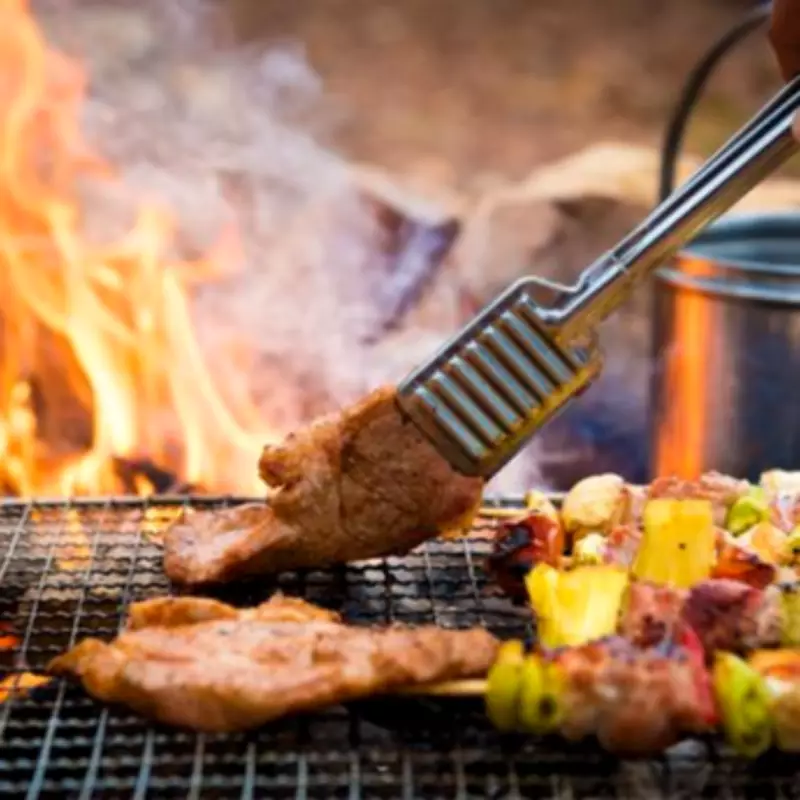
The timing of these potential shortages coincides with both the summer barbecue season and the World Cup tournament beginning in early June. Carbon dioxide is essential for creating carbonation in beverages and dispensing drinks in pubs, meaning beer supplies for England and Scotland fans could "fall flat" if disruptions occur. Additionally, CO2 is used in greenhouse operations to promote plant growth, including crops like cucumbers.
Rather than facing critical food shortages, officials anticipate that consumers might experience reduced variety in supermarkets and potential price increases. The fertiliser shortage has already prompted warnings from farmers about soaring costs that could hinder new crop cultivation, potentially driving up food prices across the board.
Government and Industry Response to Potential Crisis
Tesco CEO Ken Murphy confirmed that the supermarket giant maintains "constant contact with the government at various levels to assist in any scenario planning that might be required." While reassuring shoppers that "we have no issues in our supply chain at this point," Murphy pledged to do "whatever we can" to combat potential food bill increases resulting from Middle East conflict disruptions.
Behind the scenes, senior officials from Number 10, the Treasury, and the Ministry of Defence have secretly rehearsed scenarios examining potential impacts on British industry through an exercise codenamed "Operation Turnstone." This planning involved officials from multiple departments including the Food Standards Agency and those responsible for health, business, environment, housing, communities, and energy.
Ministerial Reassurances Amid Contingency Planning
Business Secretary Peter Kyle insisted the public should feel "reassured" that the government is actively preparing for various scenarios. While acknowledging that discussing leaked documents is "very unhelpful," Kyle emphasized that Prime Minister involvement has been consistent from the outset, contrasting this with previous pandemic response criticisms.
Kyle highlighted his own decision to reverse the mothballing of the Ensus bio-ethanol plant in Teesside near the conflict's beginning to secure carbon dioxide supplies. "People should be reassured that we are doing this kind of action behind the scenes to keep resilience in our economy," he stated, while noting that CO2 supplies are currently "not a concern" for the UK.
"Right now, people should go on as they are, enjoying beer, enjoying their meats, enjoying all the salads," Kyle told Sky News, while acknowledging CO2's critical uses in MRI scanning, water purification, nuclear industries, and defense applications.

The situation continues to evolve as Tesco reports annual sales growth to over £73 billion with operating profits exceeding £3.1 billion, even as the Middle East conflict creates "further uncertainty for consumers and the economy more broadly."