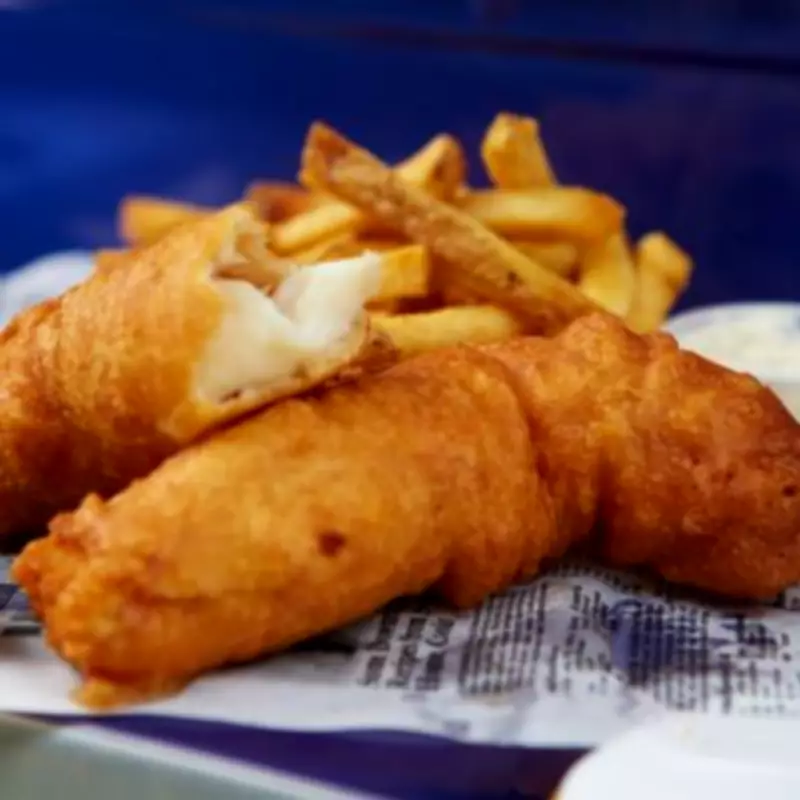
An insolvency specialist has issued a stark warning that Britain's beloved fish and chip shops face severe financial pressure due to the escalating conflict in Iran. The volatility in global oil markets, driven by fears of disruption to key Middle Eastern shipping routes, is creating a perfect storm for these small independent businesses.
Why Chippies Are Particularly Vulnerable
Molly Monks, an insolvency expert at Parker Walsh, explains that fish and chip shops operate on notoriously tight profit margins. This makes them exceptionally vulnerable when global economic shocks occur. Unlike larger restaurant chains, these independent takeaways lack the financial buffers to absorb sudden cost increases.
Energy-Intensive Operations
The commercial frying process requires maintaining consistently high temperatures throughout the day, consuming substantial amounts of gas or electricity. "Frying food commercially requires constant heat," Mrs Monks emphasized. "That means businesses are directly exposed when energy prices begin to rise."

When crude oil prices increase, the knock-on effects typically include higher fuel costs, increased transport expenses, and rising business energy bills. For chippies, these multiple cost pressures often arrive simultaneously rather than individually.
Transportation Challenges
Another critical pressure point involves transportation logistics. Fish and chip shops depend on frequent deliveries of fresh ingredients, including fish, potatoes, and various supplies. "If fuel becomes more expensive, it costs more to move fish, potatoes and supplies across the country," Mrs Monks noted.
The interconnected nature of these costs creates a compounding effect. Higher energy prices can subsequently drive up refrigeration expenses, packaging costs, and supplier charges, creating multiple financial headaches for business owners.
The Difficult Choices Facing Owners
With limited financial protection compared to larger chains, independent fish and chip shop owners face difficult decisions when costs escalate. "Bigger chains may have longer-term supplier contracts or more financial protection," Mrs Monks explained. "But small independent businesses often have to respond quickly when costs start rising."
This urgent need for response typically leaves owners with two unpalatable options: increasing menu prices or reducing portion sizes. Both approaches risk alienating customers who are already facing their own financial pressures.
Global Events with Local Impact
Mrs Monks highlighted how international conflicts can rapidly affect local businesses. "International events can filter through to everyday businesses very quickly," she warned. "For firms already operating on narrow margins, even small cost increases can make a big difference."
The current situation demonstrates how geopolitical tensions in distant regions can directly impact British high streets. The volatility in oil markets resulting from Middle Eastern instability creates immediate challenges for energy-intensive businesses like fish and chip shops.
As the Iran crisis continues to influence global markets, Britain's iconic chippies face an uncertain future. Their survival may depend on navigating these complex economic pressures while maintaining the quality and value that customers expect from this traditional British meal.