Iran Conflict Threatens to Deepen UK's Cost of Living Crisis
Iran War Could Worsen UK Cost of Living Crisis

Escalating tensions in the Middle East, particularly the conflict involving Iran, are raising significant concerns that the UK's ongoing cost of living crisis could deteriorate further. The geopolitical instability is triggering a surge in oil prices and widespread market turmoil, which experts warn may translate into higher everyday expenses for British consumers.

Potential Financial Impacts on Households

The fallout from the war could directly affect multiple aspects of personal finances. Energy bills are expected to climb as global energy markets react to the disruption, potentially reversing recent stabilisation efforts. Similarly, mortgage rates might experience upward pressure due to increased economic uncertainty and inflationary risks, making homeownership more costly for many.

Petrol Prices and Daily Commuting

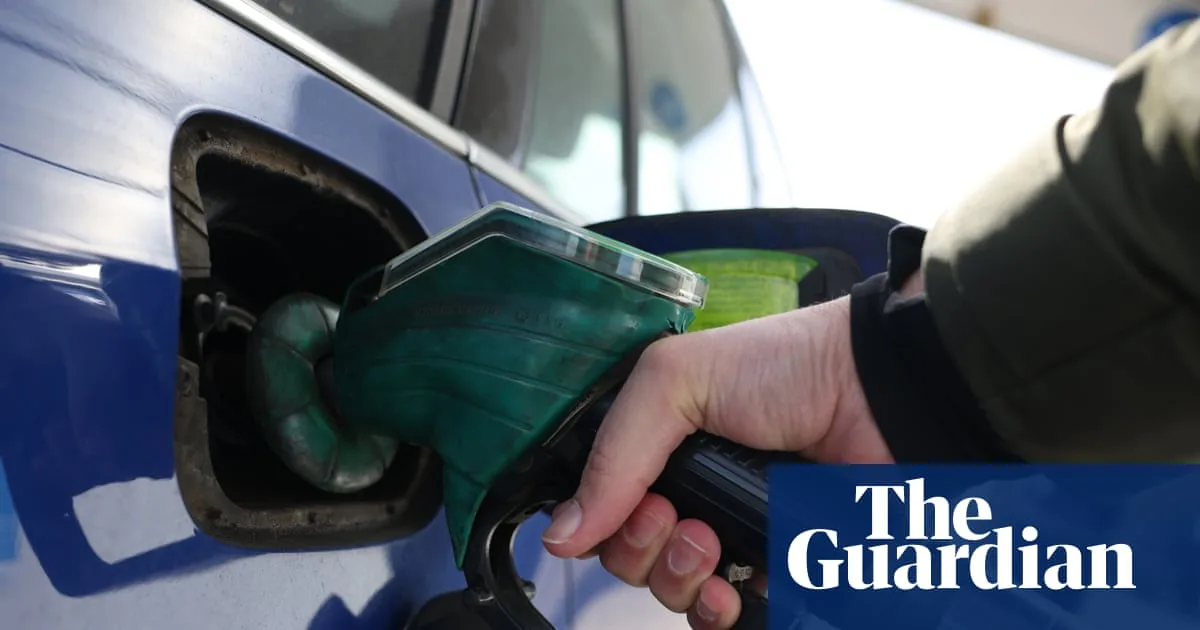
One of the most immediate effects could be seen at the petrol pumps. With oil prices rising sharply in response to the conflict, drivers across the UK may face steeper fuel costs, adding to the burden of daily commuting and transportation expenses. This increase could ripple through the economy, affecting goods and services that rely on transportation.

Expert Analysis on Economic Consequences

In a recent discussion, Lucy Hough spoke with Rupert Jones, the deputy editor of the Guardian's money section, to explore how much the war might tighten the screws on personal finances. Jones highlighted that the interconnectedness of global markets means that Middle Eastern conflicts often have far-reaching economic implications, particularly for nations like the UK that are heavily dependent on imported energy.

He noted that while the full extent of the impact remains uncertain, households should prepare for potential financial strain. The combination of higher energy costs, possible interest rate hikes, and increased petrol prices could collectively exacerbate the cost of living crisis, making it even tougher for families to manage their budgets.

Broader Market and Policy Responses

Beyond immediate household effects, the conflict could influence broader economic policies and market stability. Investors are closely monitoring the situation, with volatility likely to persist until there is clearer resolution or de-escalation. Policymakers may need to consider interventions to mitigate the economic fallout, though options could be limited given the external nature of the shock.

As the situation evolves, it underscores the vulnerability of the UK economy to global events and the ongoing challenges in navigating the cost of living crisis amidst international turmoil.