Iran Conflict Threatens US Economy: Gas, Food and Shipping Costs Set to Soar
Coordinated military strikes by the United States and Israel against Iran over the weekend have killed the nation's supreme leader, Ayatollah Ali Khamenei, and triggered retaliatory actions that have already claimed the lives of four American service members. President Donald Trump has indicated the operation could last four to five weeks, and economic experts are now warning of significant consequences for American consumers.
Gas Prices Projected to Spike Dramatically
Energy analysts predict immediate increases at the pump as the conflict intensifies. Tom Kloza, an adviser to Gulf Oil, estimates retail gas prices could rise 5 to 10 cents per day in the coming period. Patrick de Haan, head of petroleum analysis at GasBuddy, anticipates the national average could reach $3 per gallon by Monday night as price adjustments cascade through the system.
"With prices cycling in major states, the national average is now up to $2.96 per gallon," de Haan noted. "I believe we may see it touch $3 per gallon later tonight as the jump in prices begins to show up at more stations."
This development comes despite President Trump's recent emphasis on energy cost reduction. Just hours before the strikes began, Trump told an audience in Corpus Christi, Texas that "slashing energy costs is among the most important actions we can take to bring down prices for American consumers."
Broader Economic Impacts: Inflation and Interest Rates
Mayra Rodriguez Valladares, managing principal at consulting firm MRV Associates, explains that rising energy costs create ripple effects throughout the economy. "The conflict has already put upward pressure on oil and natural gas," she said. "In turn this will put pressure on global inflation at a time that inflation has already been quite elevated. Rising energy prices impact all kinds of transportation, chemicals, fertilizers, and food prices."
Valladares further warns that elevated oil prices complicate monetary policy decisions. "Until oil prices decline, it makes it very difficult for central banks like the Federal Reserve to lower interest rates," she explained. "This makes it more expensive for borrowers who have credit cards or who are trying to qualify for mortgages, student and auto loans, or any debt."
Dr. Jonathan Snow, an associate professor of political science at Roanoke College, adds that regional instability may trigger "more general panic amongst investors," potentially affecting financial markets and investment decisions.
Food Supply Chain Vulnerabilities
The conflict threatens global food security through potential fertilizer shortages. The Gulf region serves as one of the world's primary suppliers of nitrogen fertilizer, a critical component for agricultural production worldwide. Disruptions to this supply could reduce crop yields in coming months, leading to diminished inventories and higher food prices.
Josh Linville, vice president for fertilizers at StoneX Group, describes the timing as particularly problematic. "There is never a good time for war, but this couldn't be much worse," he told Bloomberg. The fertilizer industry faces unprecedented challenges as the conflict unfolds during a crucial period for global agriculture.
Shipping Disruption in Critical Waterway
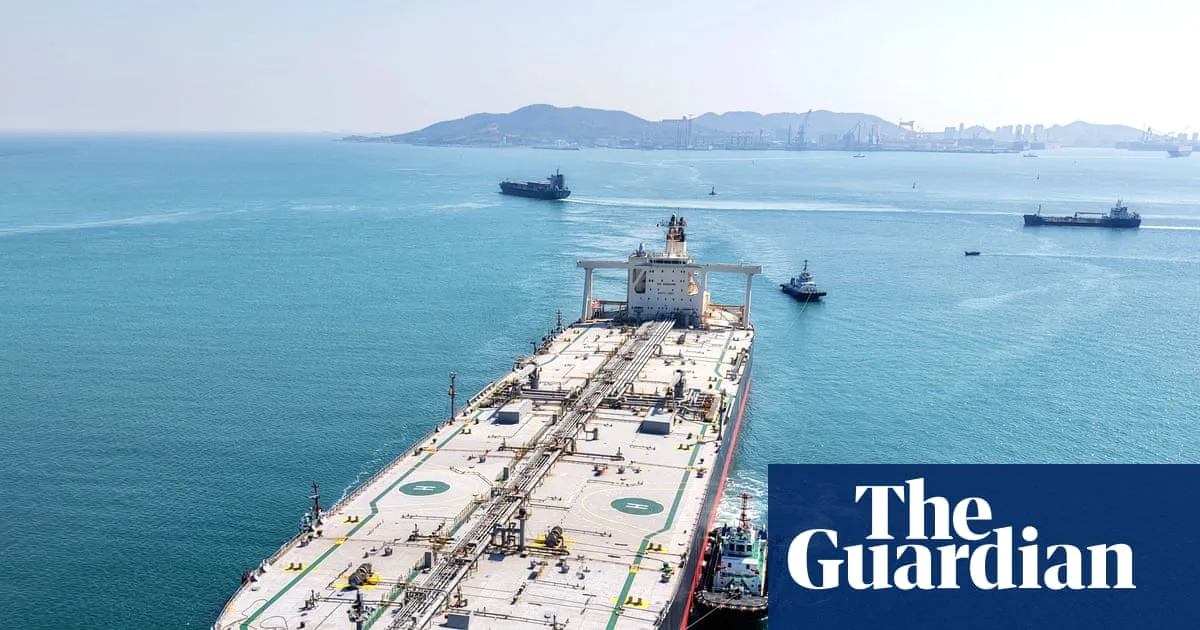
Military operations are already affecting maritime traffic through the Strait of Hormuz, a vital shipping corridor off Iran's southern coast. Major shipping companies have suspended operations in the region, while marine insurers are canceling war risk coverage. These developments could lead to skyrocketing shipping rates as vessels seek alternative routes or accept higher insurance premiums.
"I don't think Iran can shut down the Strait of Hormuz, but insurance companies and vessel operators can," Kloza told CNN, highlighting how commercial decisions rather than military actions may create the most significant shipping disruptions.
The White House has not yet responded to requests for comment regarding the economic implications of the ongoing military operation. As the conflict continues, American consumers face the prospect of paying more for gasoline, food, and imported goods while confronting broader economic challenges including persistent inflation and elevated borrowing costs.