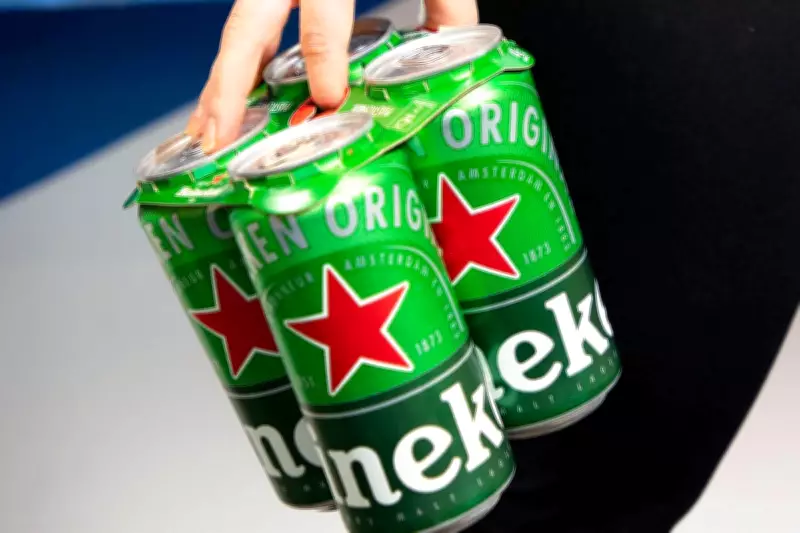
Heineken has acknowledged that the ongoing conflict in the Middle East, particularly involving Iran, could negatively impact its beer sales. The Dutch brewing giant reported stronger-than-expected first-quarter revenues and volumes but cautioned that escalating energy costs and inflation, exacerbated by regional tensions, might dampen future demand.
Stronger Q1 Results Amid Challenges
The world's second-largest brewer, behind Anheuser-Busch InBev, posted a 2.8% rise in organic net revenue for the first quarter, surpassing analyst predictions of 2.3%. Total volumes also grew by 1.2% organically, defying forecasts of flat performance. However, the company faces headwinds from persistent cost-of-living pressures, changing consumer drinking habits, and US tariffs.
Middle East Conflict Drives Up Costs
The conflict in the Middle East has made essential brewing fuels and glass bottles more expensive, threatening to push up prices across consumer goods and potentially curb discretionary spending on beer. Heineken's outgoing CEO Dolf van den Brink noted that global trade has become more complex and volatile, impacting energy availability and costs in certain markets, which could affect consumer sentiment in the medium term.

Job Cuts and CEO Search
Heineken is preparing to cut 6,000 jobs and is seeking a new chief executive following van den Brink's unexpected departure in January. The company did not address the CEO search in its latest results statement. Van den Brink will step down on 31 May, and the search for his successor is underway.
Regional Performance
In the first quarter, strong performance in Asia Pacific helped offset declines in beer sales in Europe and the Americas, including the US and large markets like Brazil and Mexico. RBC Capital Markets analyst James Edwardes Jones described the quarter as "reassuringly uneventful."
Heineken reiterated its full-year outlook for between 2% and 6% organic operating profit growth, assuming a temporary rather than prolonged disruption in global trade. The brewer, known for brands like Tiger and Sol, remains cautious about the medium-term impact of the Middle East conflict on consumer sentiment and costs.