Fever-Tree Profits Decline Sharply Amid Tax Dispute and US Partnership Transition
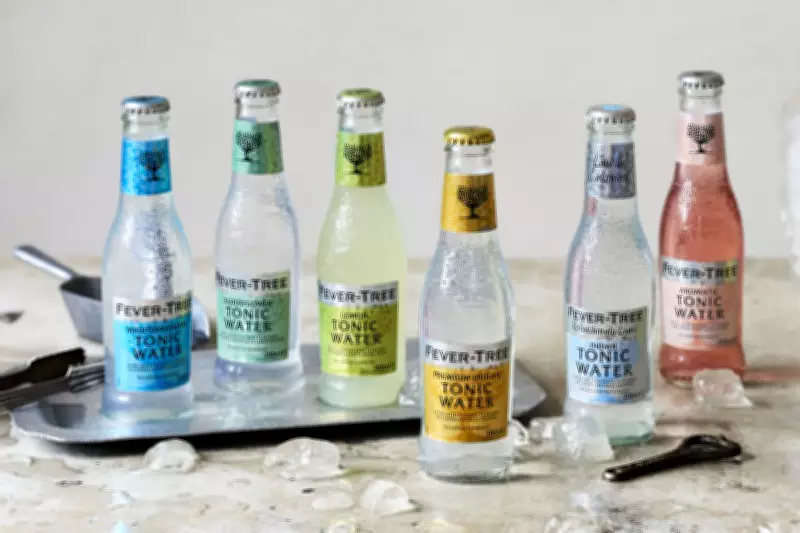
Premium mixer brand Fever-Tree has reported a significant 16% slump in its annual profits, a downturn attributed to a contentious £2.8 million packaging tax provision and the initial costs associated with bedding in its strategic US alliance with brewing giant Molson Coors.
Financial Performance and Key Figures
The soft drinks and mixers firm disclosed underlying earnings of £42.4 million for the financial year 2025, a notable decrease from the £50.7 million recorded in 2024. This decline follows the company's decision to set aside £2.8 million as a precautionary measure, anticipating a potential liability should its ongoing legal challenge against the Environment Agency prove unsuccessful.
Pre-tax profits also experienced a downturn, falling to £29.9 million from £35.5 million in the previous year. In contrast, underlying revenues demonstrated modest growth, increasing by 3% on a constant currency basis to reach £375.3 million.

The £2.8 Million Packaging Tax Dispute
At the heart of the financial provision is a legal dispute concerning the Extended Producer Responsibility (EPR) packaging tax. Fever-Tree has initiated formal legal proceedings, contesting the Environment Agency's stance that the tax should apply to certain glass bottles sold within the hospitality sector, specifically in bars and restaurants.
The company asserts that its position aligns with the UK government's interpretation of other packaging regulations. "As previously disclosed, the Environment Agency has challenged this view, and in recent weeks we have launched a formal legal challenge," the group stated. "As a result of this development, and given there is uncertainty in the outcome, from an accounting perspective the board now considers it prudent to provide for the potential incremental EPR liability."
Impact of the Molson Coors US Partnership
Concurrently, Fever-Tree's earnings have been pressured by profit margin compression as it integrates its new exclusive US marketing and distribution partnership with Molson Coors. The American beer maker acquired a stake in Fever-Tree last year, securing exclusive rights to market its premium mixers across the United States.
The firm cited "short-term transition-related cost inefficiencies alongside the impact of sharing US profits" as key factors weighing on margins during this initial phase. An additional complication arose from tariff impacts, as Fever-Tree currently manufactures the majority of its US-bound products in the UK. This follows the winding down of a local US bottling contract in anticipation of the Molson Coors tie-up.
Looking ahead, the company expressed confidence in mitigating these challenges. "We are working to mitigate this impact ahead of the prospective onshoring of US production in the medium term, which alongside Molson Coors’ operational capabilities and economies of scale will unlock significant incremental US profitability," the firm elaborated in its results statement.
The dual pressures of the unresolved tax dispute and the costly initial stages of a major strategic partnership have created a challenging financial period for the premium drinks maker, underscoring the complexities of regulatory compliance and international business expansion in the competitive beverages sector.