Dubai's Economy in Ruins as War Scares Tourists Away, Migrant Workers Suffer
Dubai Economy Ruined by War, Migrant Workers Bear Brunt

Dubai, once a glittering tourist haven, now resembles a ghost town. The beach clubs, high-end restaurants, and five-star resorts are nearly deserted, and many hotels have closed their doors. At the airport, once the busiest in the world for international arrivals, incoming flights are a fraction of normal traffic.

The city's status as a target for retaliatory Iranian missiles and drones since the US attack in February has scared away almost all foreigners. Dubai had hoped to welcome a record 20 million visitors this year, surpassing last year's 19.59 million. Instead, the lost business is estimated to cost the city up to £450 million a day.

However, the victims of this slump are not the wealthy Dubai natives who run these businesses. Instead, the millions of migrant workers hidden in squalid labour camps suffer most acutely. They can no longer make a wage but cannot afford to return home.

Wide Pickt banner — collaborative shopping lists app for Telegram, phone mockup with grocery list

Tourism Industry in Freefall

Walking through former tourist havens like Palm Jumeirah and Dubai Marina reveals few foreign visitors. In the past week, seven 5-star hotels announced closures, including the St Regis on the Palm and the Aramani Hotel in Burj Khalifa. Others like Park Hyatt and JW Marriott Marquis have cut hundreds of jobs.

One Western guest at a still-open hotel reported that staff levels are so reduced that the same employee provides security, collects laundry, and delivers water. When asked, the staff member said many colleagues are 'on vacation'.

Commercial announcements avoid mentioning the war, using euphemisms like 'closing for an upgrade'. Most say they will remain closed until September, but some may not reopen until next year. The Anantara World Islands Dubai Resort permanently closed, citing 'a combination of external factors'.

Struggling Businesses

Remaining hotels rely on UAE residents for discounted 'staycations'. One rooftop barman noted, 'It is very quiet, we have no tourists left. The only people staying are UAE residents for the weekend.'

Tourist attractions like Wild Wadi Waterpark and SkyDive Dubai have closed. Beach clubs offer free entry to attract customers. Dubai's Old Town, usually bustling, is empty. Stallholders scroll on their phones, with one saying, 'Business is really, really down. We need the tourists back.'

Restaurants are slashing prices and reducing staff. The government introduced a scheme similar to the UK's 'Eat Out to Help Out', offering up to 50% off at fine dining venues. Some restaurants have resorted to gimmicks, like offering discounts for bringing multiple girlfriends, but this has not alleviated the crisis.

Migrant Workers Bear the Brunt

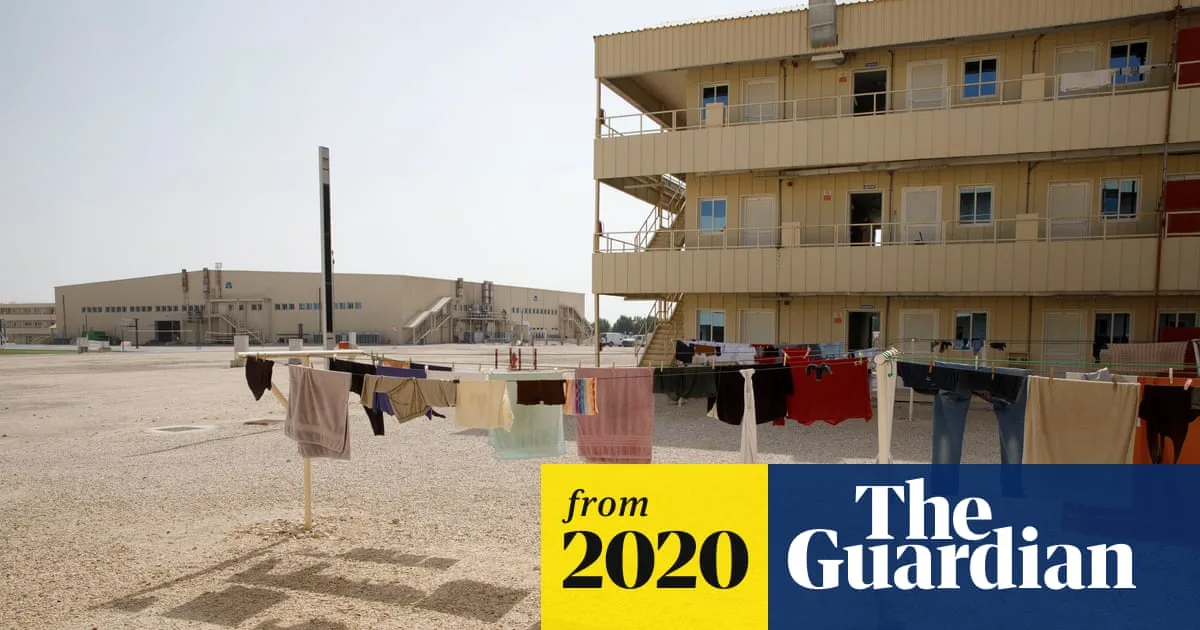
Behind the scenes, migrant workers in labour camps like Sonapur face dire conditions. Sonapur, meaning 'city of gold' in Hindi, houses tens of thousands of mostly male migrants from India, Pakistan, Bangladesh, and the Philippines. They live in cramped dormitories with bunk beds, laundry hanging from every balcony.

Many are now out of work. Those still employed return after long days in construction or security. Others kill time playing cricket on dried-out patches of grass. Wealthy expats fled when missiles hit the city, but most migrants cannot afford airfares or face uncertain prospects at home.

Human Rights Watch warns that migrant workers face additional risks from the conflict. Of the 12 people killed, all but one were foreign workers. One victim, Muzaffar Ali Ghulam from Pakistan, died from shrapnel. His cousin said they could not afford to leave.

Fear of speaking out is pervasive. The UAE has warned against photographing or discussing attacks, with penalties of up to a year in prison and fines. One Pakistani worker said, 'No one wants to talk about it. We are terrified to send messages; they are watching everything.'

He added, 'The big problem is not Iran but business. There are no tourists. Even shopkeepers must say business is good to avoid trouble. We are all watching peace talks because if there's a deal, tourists will return quickly.'

Even before the conflict, labourers faced risks. Thousands die each year across the Gulf, often from unexplained causes. The Kafala System binds workers to employers, offering minimal social security. Michael Page of Human Rights Watch said, 'The conflict has exposed gaps in labour rights enabled by the kafala system.'

Pickt after-article banner — collaborative shopping lists app with family illustration

Despite the hardships, many continue to pursue a better life. As one construction worker put it, 'If you can survive in the UAE, you can survive anywhere.'