CBI Scotland has challenged the next Scottish government to avoid “harmful” tax differences with the rest of the UK and adopt a “pragmatic” approach to nuclear power. In an election manifesto published ahead of May’s Scottish election, the business organisation said the next government must have a clear strategy that avoids harmful divergence.
The manifesto warns that higher income tax rates for higher earners in Scotland are making it harder for businesses to recruit, forcing talent south of the border. It also calls for business rates to be modernised.
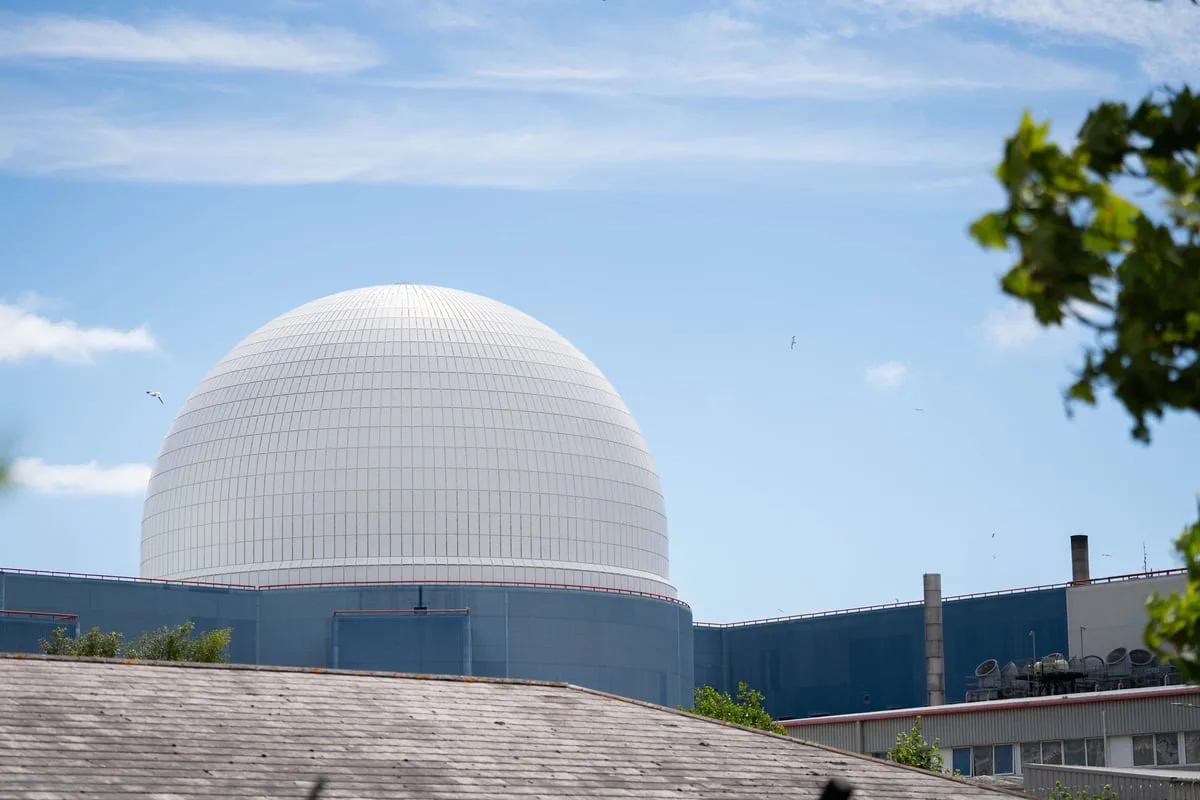
On energy, CBI Scotland says there is a need for a more pragmatic approach to nuclear energy, given the UK Government’s investment in new nuclear technology. The group argues Scotland’s position should be reassessed to ensure the country does not miss out on jobs and investment.
The organisation also wants an improved skills system and expanded childcare funding for families with infants from nine months old. Mirroring the expansion in England, this could help around 2,200 people a year return to work, boosting Scotland’s economy by £80 million annually.
Additionally, the manifesto calls for a Clyde Metro link between Glasgow and Glasgow Airport, describing it as a transformational project. CBI Scotland director Michelle Ferguson said all parties must stay laser-focused on pro-enterprise policies. Deputy First Minister Kate Forbes responded that the SNP is the party of business, citing 20-year high investment and outperforming Labour-run England.